Mobile:+86-311-808-126-83
E-mail:info@ydcastings.com

Advanced Manufacturing Technologies in Modern Industrial Production
In today’s highly competitive industrial landscape, manufacturing precision, material efficiency, and production flexibility are key drivers of success. Processes such as aluminum manifold, investment casting part, precision casting, machinery part, CNC machining, aluminum extrusion, E iron casting process form the backbone of modern engineering and production systems. These technologies are widely used across automotive, aerospace, construction, and heavy machinery industries, enabling manufacturers to produce complex, durable, and high-performance components.
This article explores the characteristics, advantages, and applications of these manufacturing processes, and how they collectively shape modern industrial production.
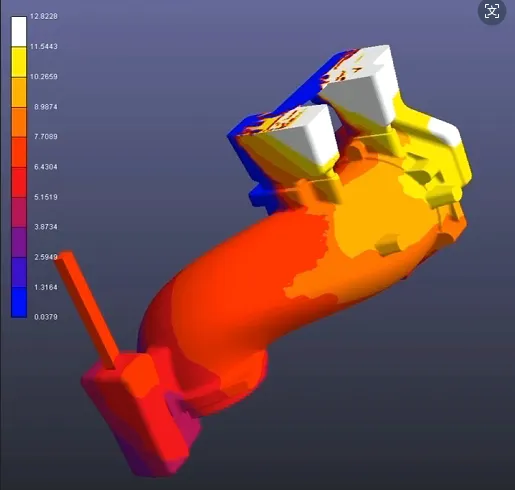
Overview of Casting and Forming Technologies in Industrial Manufacturing
Casting and forming processes are among the oldest yet most advanced manufacturing methods used in industry today. They allow raw materials such as metals to be shaped into functional components with high structural integrity and complex geometries.
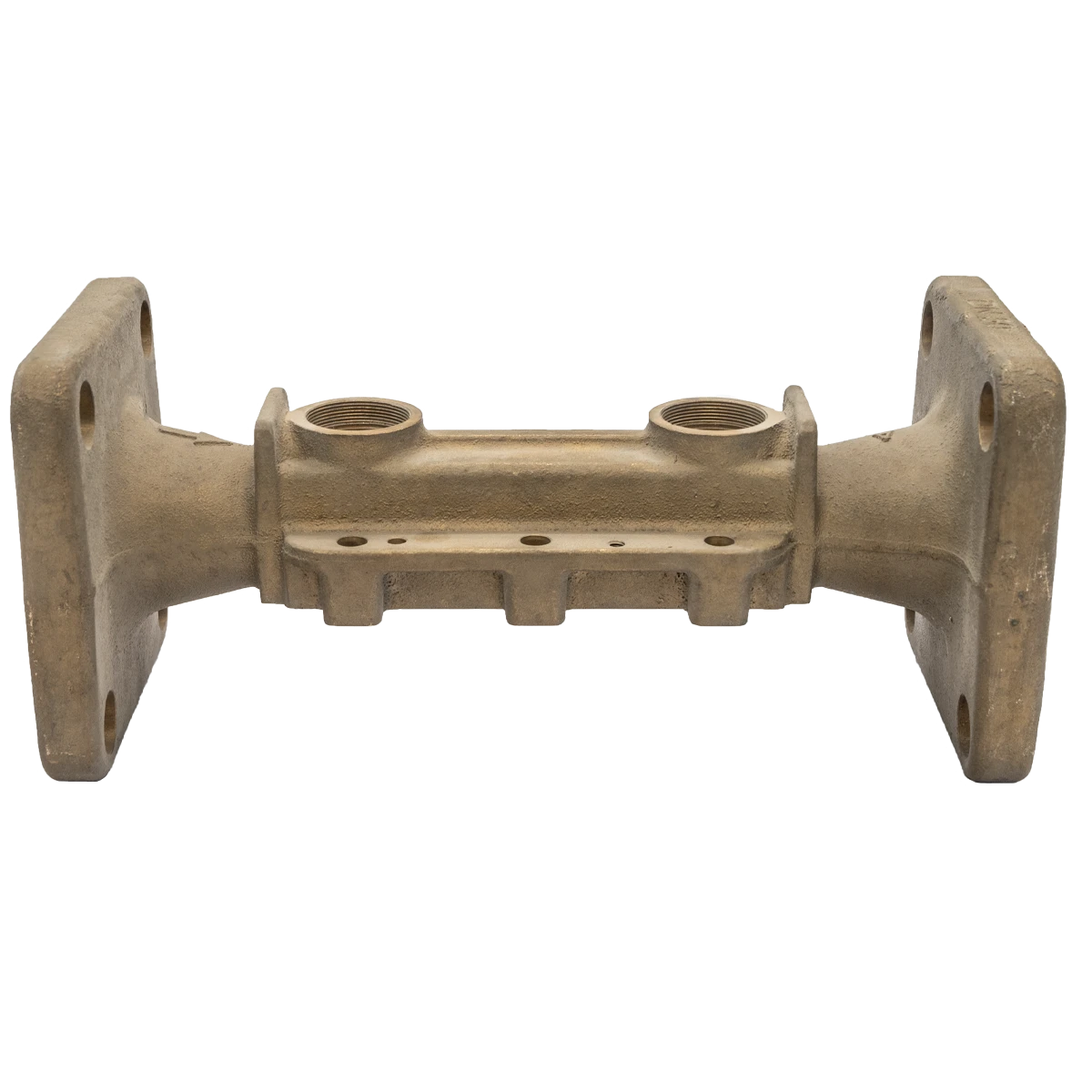
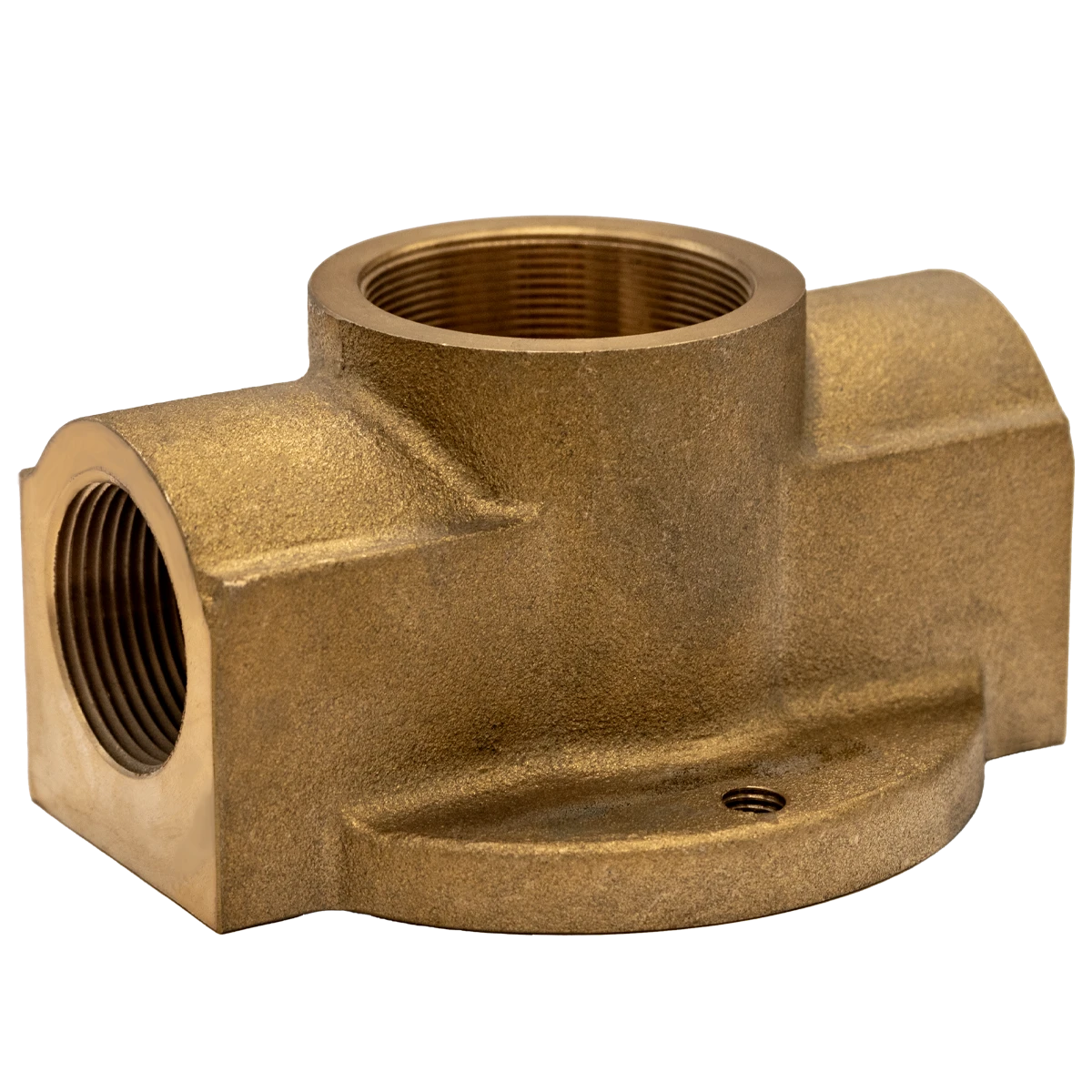
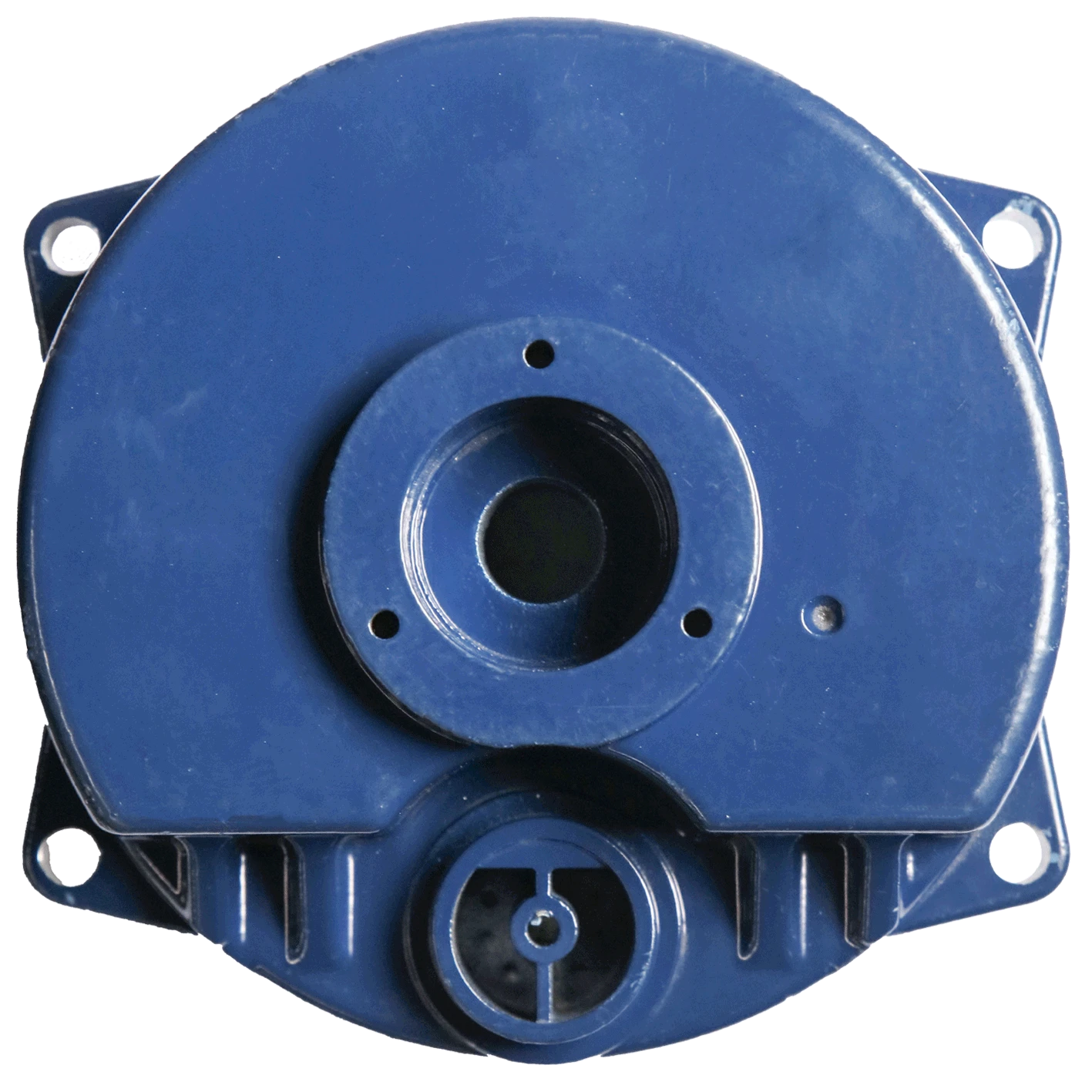
One of the most widely used components in automotive and industrial systems is the aluminum manifold. Aluminum manifolds are essential for controlling airflow or fluid distribution in engines and mechanical systems. Due to aluminum’s lightweight properties and excellent thermal conductivity, the aluminum manifold is widely used in automotive engines, HVAC systems, and industrial machinery. It helps improve efficiency by reducing weight while maintaining strength and heat resistance.
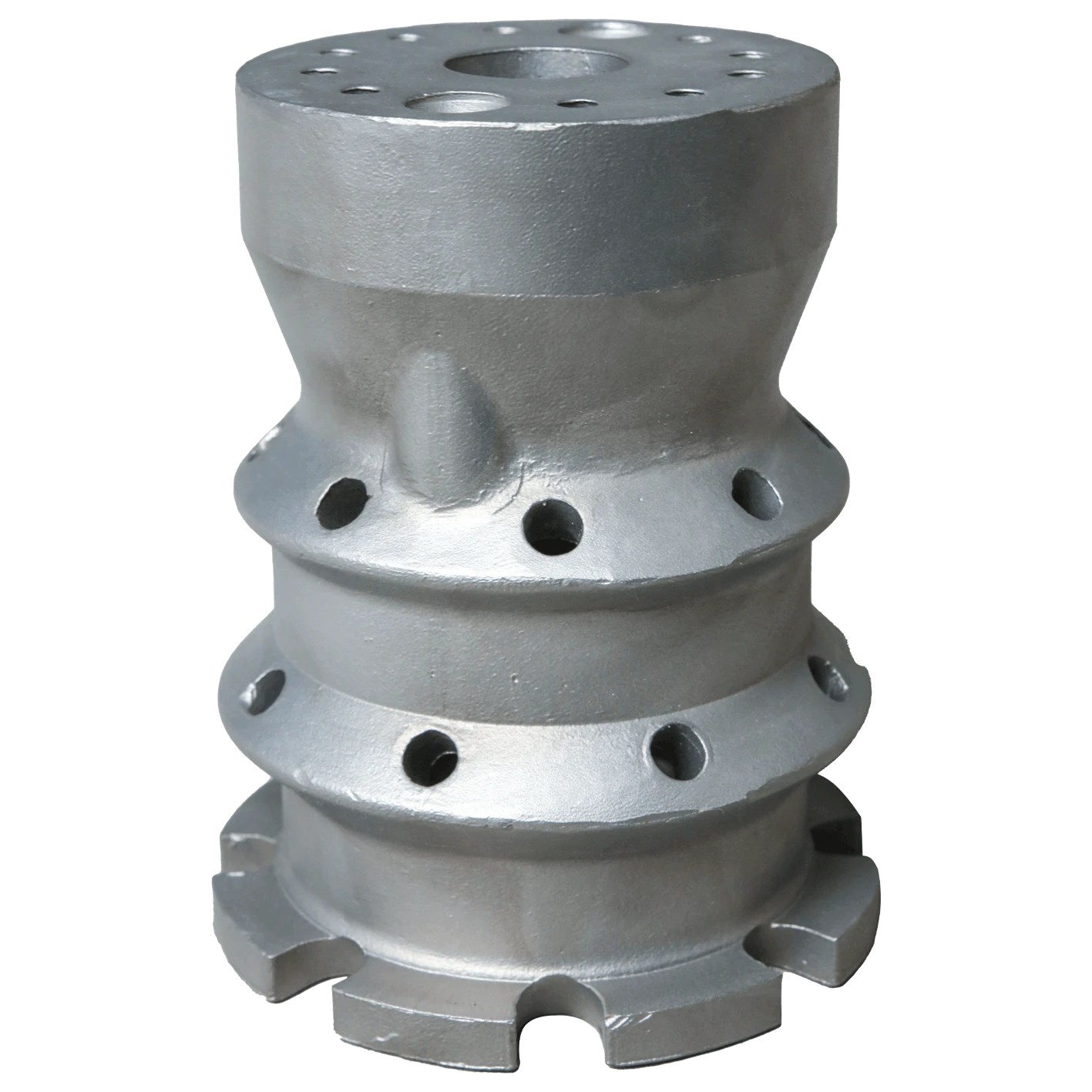
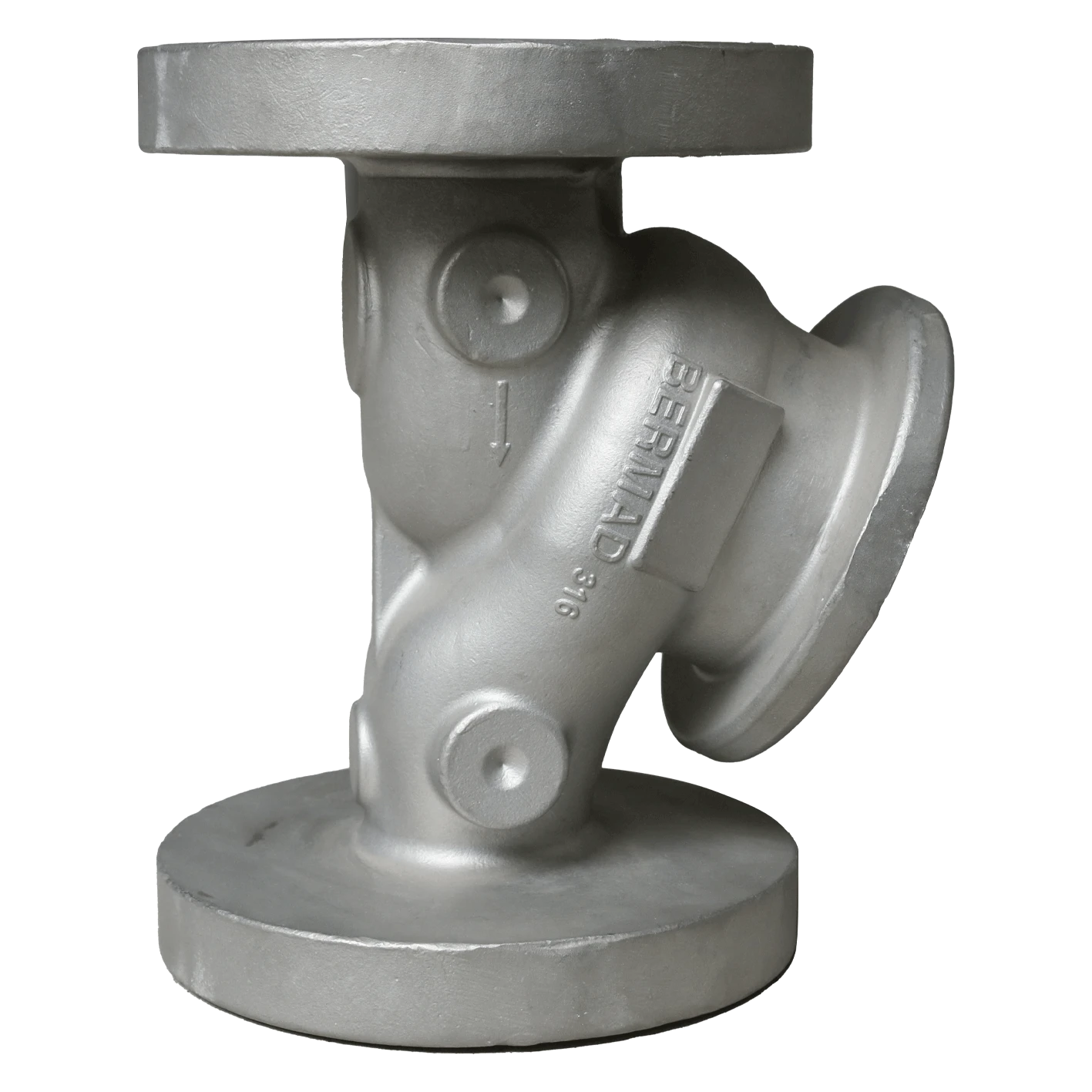
Another important process is the production of the investment casting part. Investment casting, also known as lost-wax casting, is a precision manufacturing method used to create complex metal components with high accuracy and smooth surface finishes. An investment casting part is often used in aerospace, medical equipment, and high-performance machinery where dimensional precision is critical. This process allows manufacturers to produce intricate shapes that would be difficult or impossible to achieve using traditional machining.
Closely related to this is precision casting, a broader term that refers to any casting method designed to achieve tight tolerances and high-quality surface finishes. Precision casting includes techniques such as investment casting, die casting, and vacuum casting. These methods are essential in industries where even minor dimensional errors can affect performance, such as aerospace engines, automotive components, and turbine systems.
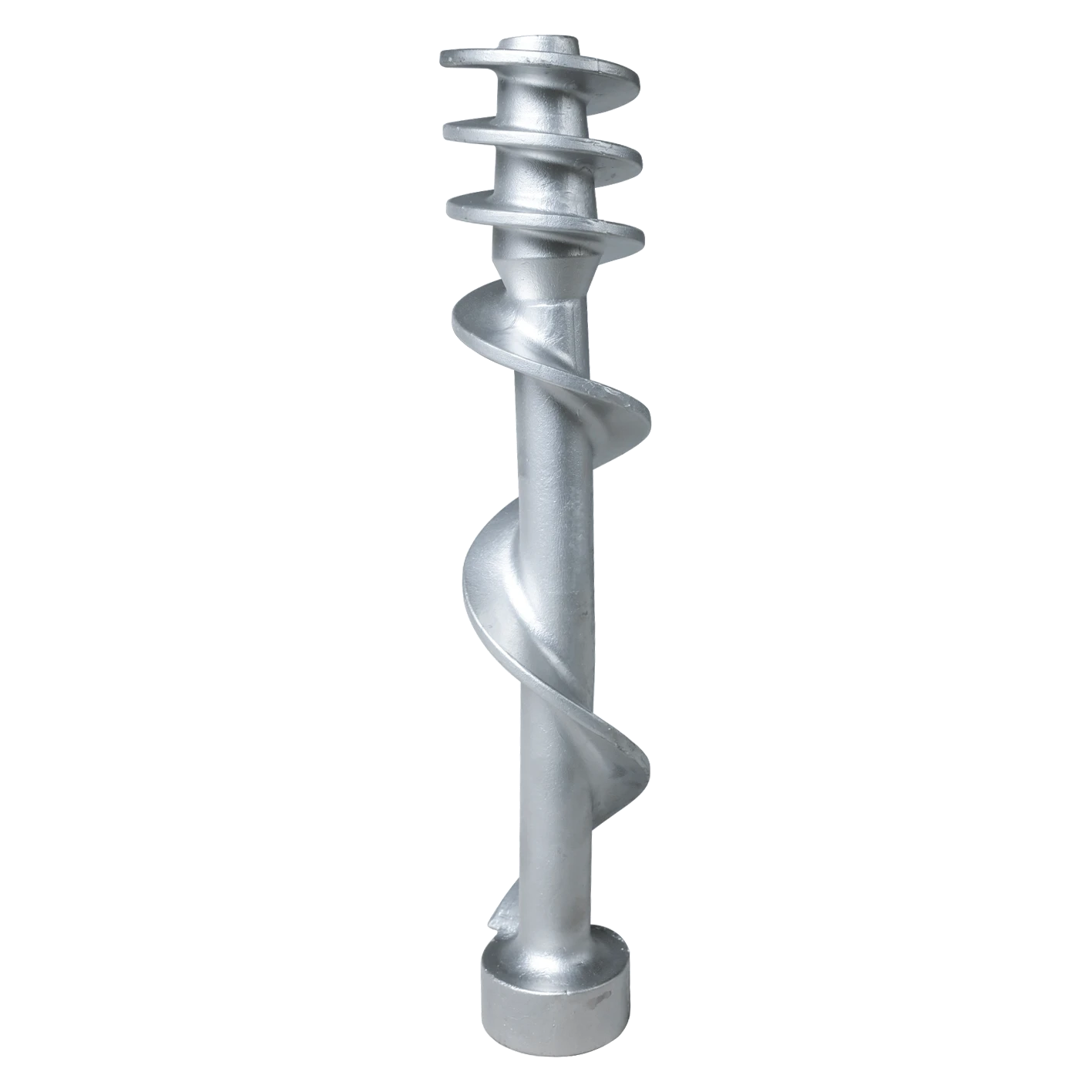
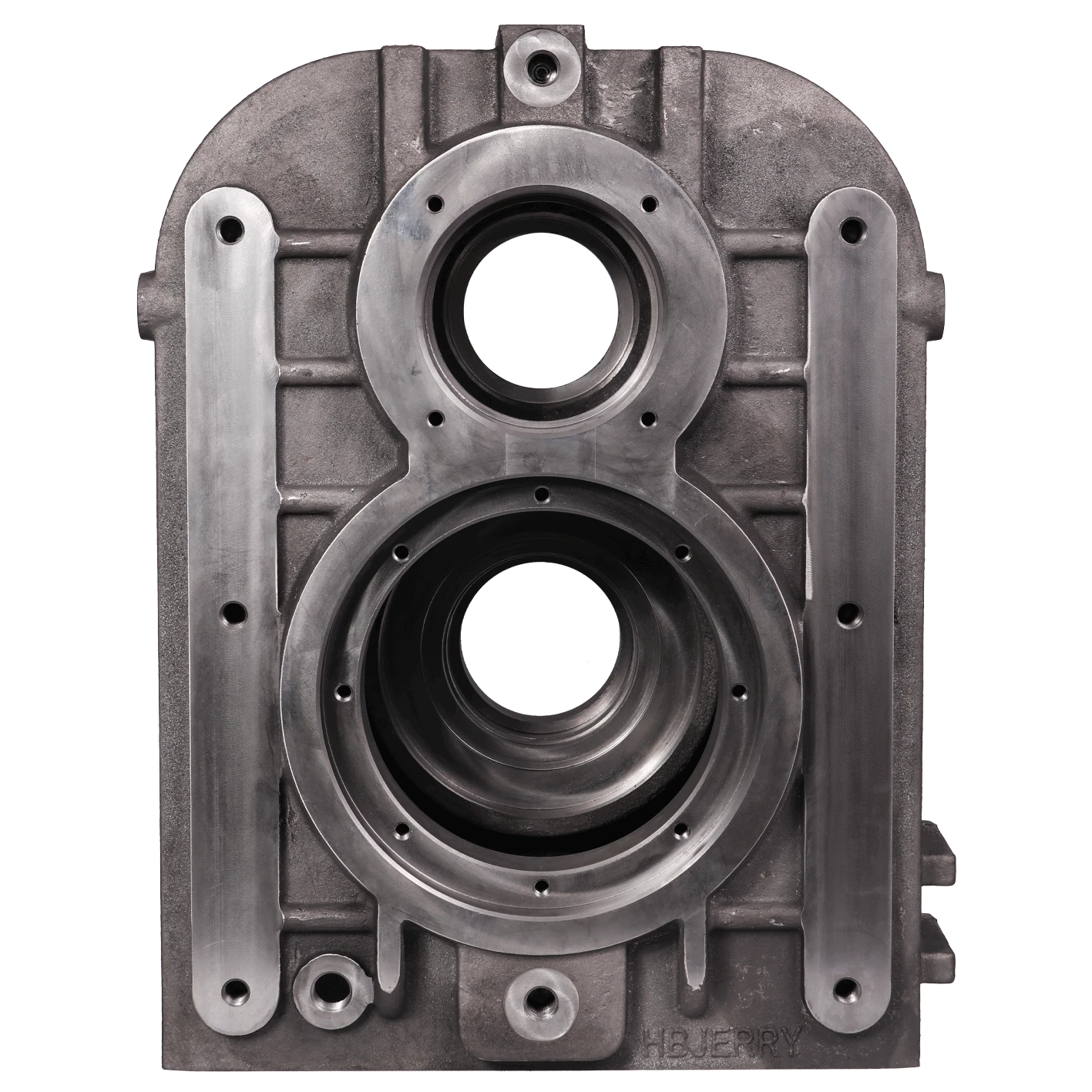
In addition to casting, general machinery part production is a core aspect of industrial manufacturing. Machinery parts include gears, housings, brackets, shafts, and other mechanical components that form the foundation of industrial equipment. The production of a machinery part often involves a combination of casting, forging, and machining processes to ensure strength, durability, and precision.
CNC Machining and Aluminum Forming in Modern Production Systems
Modern manufacturing heavily relies on subtractive and forming technologies to achieve high precision and efficiency. One of the most important technologies in this category is CNC machining. Computer Numerical Control (CNC) machining uses automated tools controlled by computer programming to cut, shape, and finish metal and plastic materials with extreme accuracy.
CNC machining is widely used in producing high-precision components for aerospace, automotive, electronics, and industrial machinery. It is often combined with casting processes to refine parts after initial shaping. For example, a cast machinery part may undergo CNC machining to achieve tight tolerances and smooth surface finishes.
Another important manufacturing method is aluminum extrusion. This process involves forcing aluminum alloy through a shaped die to create continuous profiles with uniform cross-sections. Aluminum extrusion is widely used in construction, transportation, and consumer products due to its efficiency and versatility. Common applications include window frames, heat sinks, structural components, and automotive frames.
The combination of aluminum extrusion and CNC machining allows manufacturers to produce highly customized and functional components. Extruded aluminum profiles can be further processed using CNC machines to create precise holes, grooves, and connection points, making them suitable for complex assemblies.
Aluminum-based components such as the aluminum manifold benefit greatly from both extrusion and machining processes. While extrusion provides the basic shape and structure, CNC machining ensures dimensional accuracy and functional performance. This hybrid approach improves production efficiency while maintaining high-quality standards.
In many industries, CNC machining also plays a critical role in finishing investment casting part components. After casting, parts often require additional machining to meet exact specifications. This combination of casting and CNC finishing ensures both structural integrity and precision.
Iron Casting, Industrial Applications, and Future Manufacturing Trends
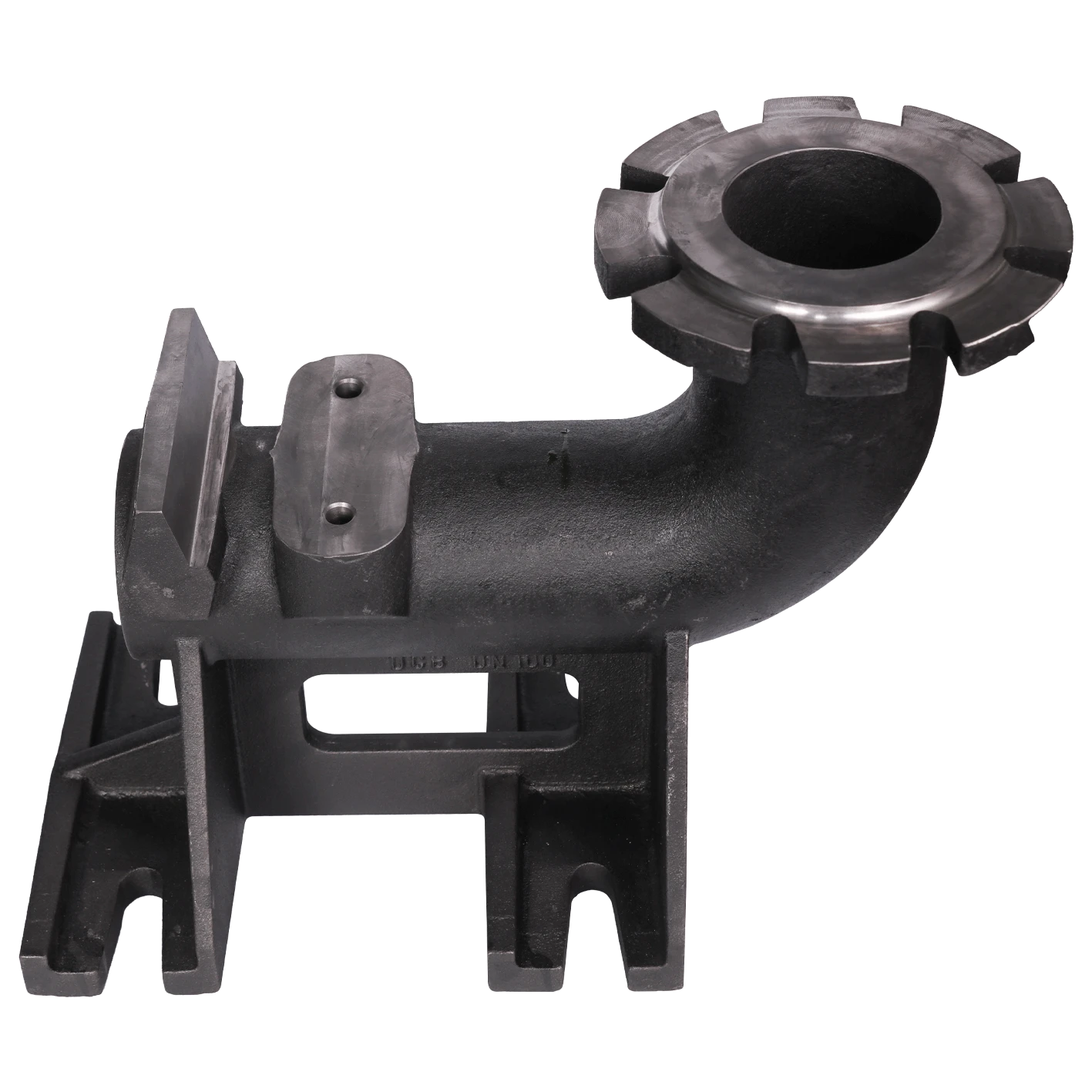
While aluminum and precision casting technologies are widely used, traditional methods such as the iron casting process remain fundamental in heavy industry manufacturing. The iron casting process involves melting iron and pouring it into molds to create strong, durable components. This method is widely used for producing engine blocks, machine bases, pump housings, and structural components.
One of the key advantages of the iron casting process is its ability to produce large and heavy components at relatively low cost. Cast iron also offers excellent wear resistance and vibration damping properties, making it ideal for industrial machinery and construction equipment.
In combination with modern technologies, iron casting continues to evolve. Many manufacturers now integrate CNC machining with cast iron components to improve dimensional accuracy and surface quality. This hybrid approach ensures that even large machinery part components meet modern performance standards.
The industrial importance of casting and machining technologies cannot be overstated. For example, an aluminum manifold used in automotive engines must withstand high temperatures and pressure variations while maintaining structural integrity. Similarly, an investment casting part used in aerospace systems must meet strict safety and performance requirements.
The rise of digital manufacturing technologies has also transformed traditional production methods. Computer-aided design (CAD) and computer-aided manufacturing (CAM) systems now integrate seamlessly with CNC machining, allowing for highly automated and precise production workflows. This reduces human error, improves efficiency, and enables mass customization of components.
In the field of aluminum extrusion, automation has also improved production speed and consistency. Modern extrusion lines use real-time monitoring systems to ensure uniform material flow and temperature control, resulting in higher-quality outputs with fewer defects.
Sustainability is another key trend shaping the future of manufacturing. Aluminum materials, including those used in aluminum manifold and extrusion applications, are highly recyclable. Similarly, advancements in the iron casting process are focusing on reducing energy consumption and improving material efficiency.
Additive manufacturing (3D printing) is also beginning to complement traditional methods like precision casting and machinery part production. While it is not yet a complete replacement, it offers new possibilities for prototyping and low-volume production of complex components.
In conclusion, modern industrial manufacturing relies on a combination of traditional and advanced technologies. Processes such as aluminum manifold production, investment casting part fabrication, precision casting, machinery part manufacturing, CNC machining, aluminum extrusion, and the iron casting process all play vital roles in creating the infrastructure of modern industry. Together, they enable the production of high-performance, durable, and precise components that support industries ranging from automotive to aerospace and beyond.
-
Advanced Manufacturing Technologies in Modern Industrial ProductionNotiziaMay.22,2026
-
Engine Oil Management Tools: Essential Solutions for Clean and Efficient Automotive MaintenanceNotiziaMay.22,2026
-
Car Water Pump Systems: Efficiency, Cleaning Applications, and Market OverviewNotiziaMay.22,2026
-
Industrial Valve Castings and Flow Control Solutions in Modern EngineeringNotiziaMay.22,2026
-
Aluminum End Caps and Compression Solutions: A Complete Guide for Modern ApplicationsNotiziaMay.22,2026
-
Precision Valve Castings for Agricultural Irrigation and Fluid Control SystemsNotiziaMay.08,2026