Mobile:+86-311-808-126-83
E-mail:info@ydcastings.com

The Complete Guide to Custom Metal Casting Solutions for Modern Industry
In today’s fast-evolving industrial landscape, precision, durability, and scalability are essential for manufacturing success. Industries ranging from automotive to aerospace rely heavily on advanced casting techniques to produce high-quality components. Whether you are searching for reliable die cast manufacturers, exploring die cast custom solutions, or working with a custom cast iron foundry, understanding the processes and options available is crucial for making informed decisions.
This article explores the key aspects of metal casting, including processes, materials, and how to choose the right metal casting company for your needs.
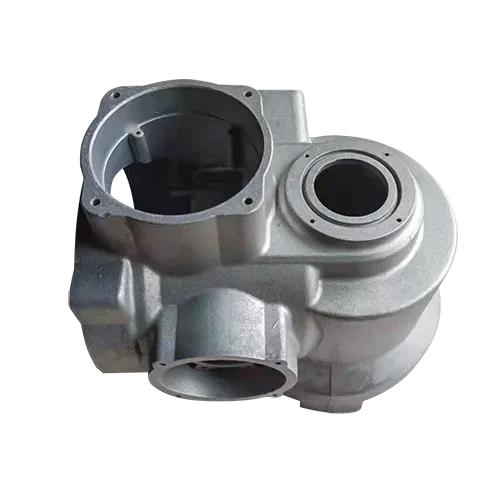
Understanding Metal Casting and Its Importance
Metal casting is one of the oldest manufacturing processes, yet it remains one of the most versatile and widely used today. It involves pouring molten metal into a mold where it solidifies into a desired shape. This method allows manufacturers to create complex geometries that would be difficult or expensive to achieve using other processes.
Modern industries depend on casting because it offers:
High design flexibility
Cost-effectiveness for large production runs
Compatibility with a wide range of metals
Excellent mechanical properties
From engine blocks to industrial machinery parts, casting is at the heart of countless applications.
The Role of Die Casting
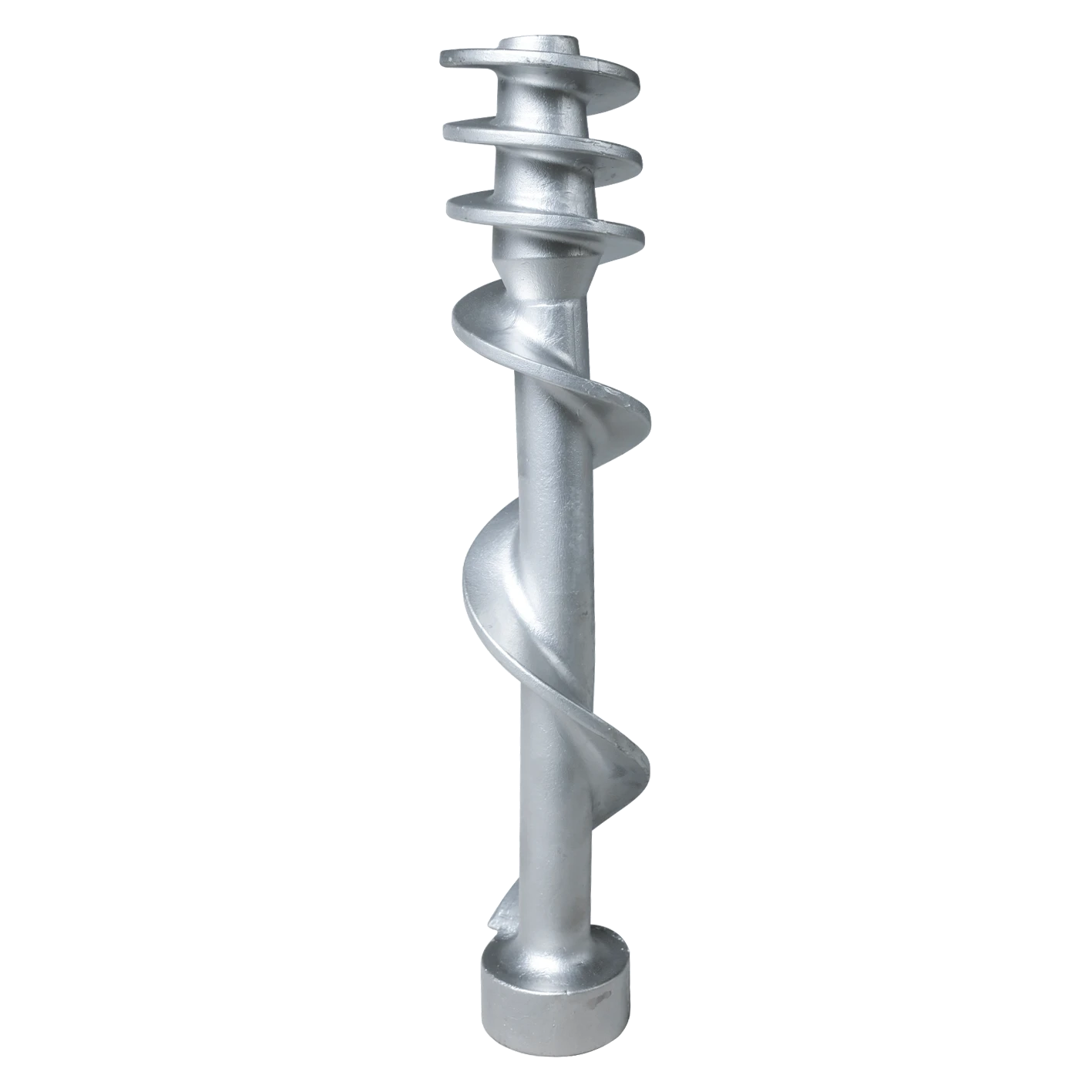
Die casting is a specialized casting method that uses high pressure to inject molten metal into a steel mold (die). This process is ideal for producing large volumes of precise and consistent parts.
Working with experienced die cast manufacturers ensures:
Tight tolerances
Smooth surface finishes
High production efficiency
Reduced post-processing
Companies often seek die cast custom services when they need tailored components designed to meet specific functional or aesthetic requirements. Custom die casting enables engineers to optimize product performance while maintaining cost efficiency.
Key Materials in Casting: Aluminum, Steel, and Cast Iron
Choosing the right material is critical in determining the performance and longevity of a component. Each metal offers unique advantages depending on the application.
Aluminum Casting
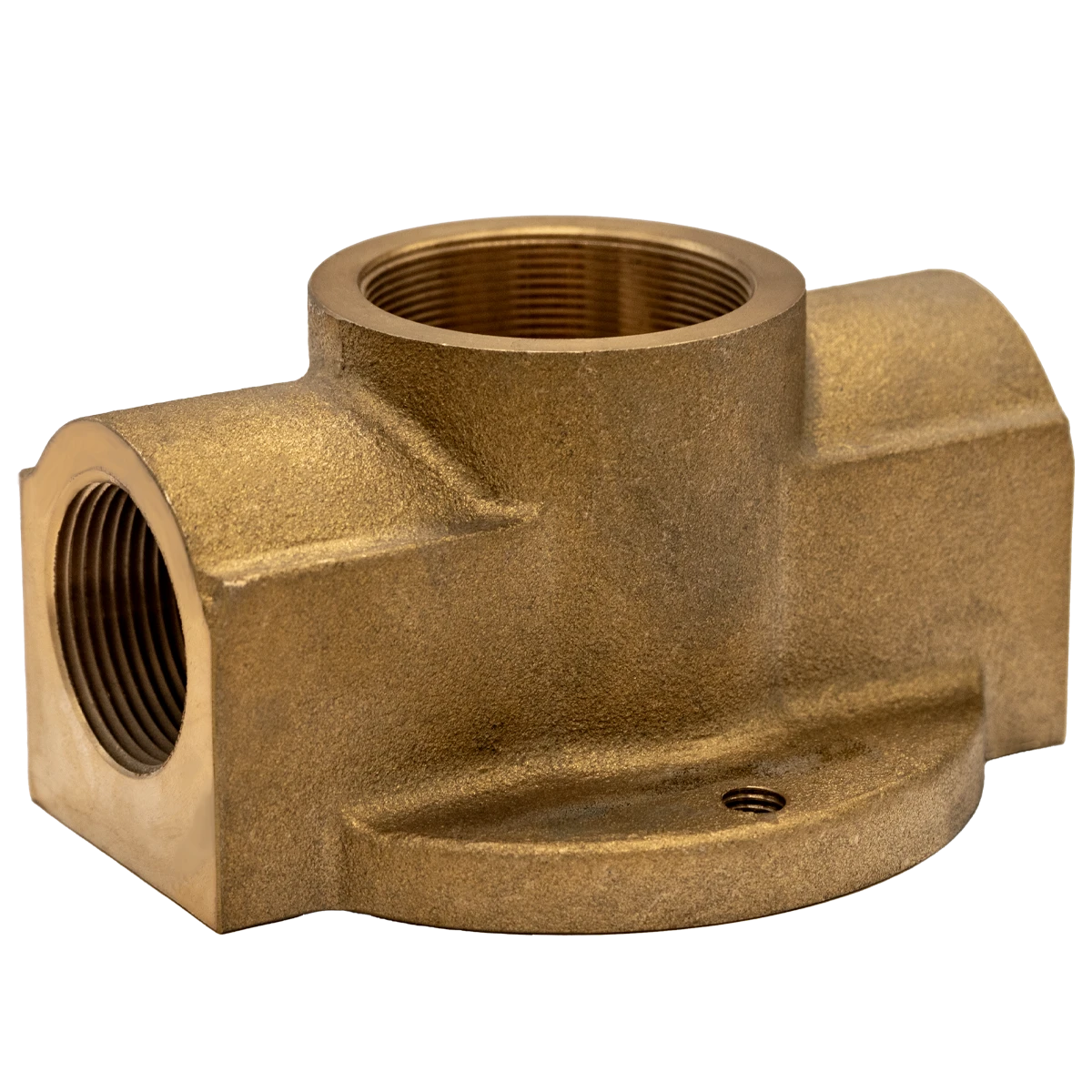
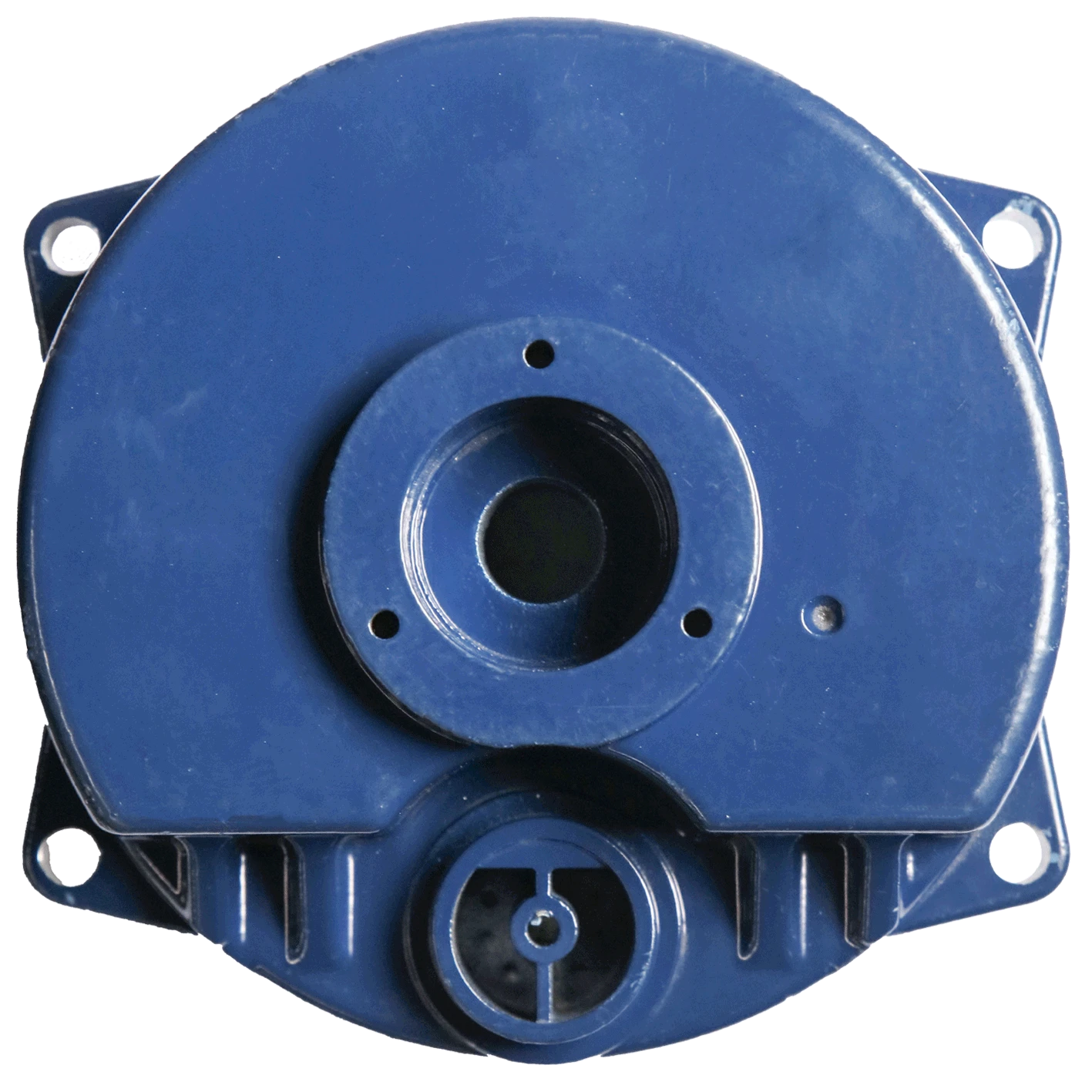
Aluminum is one of the most widely used materials in die casting due to its lightweight nature and excellent corrosion resistance. Partnering with a reliable aluminum die casting supplier provides access to components that are:
Lightweight yet strong
Highly resistant to corrosion
Excellent in thermal and electrical conductivity
Ideal for automotive and electronics industries
Aluminum die casting is especially popular in applications where weight reduction is essential without compromising strength.
Steel Casting
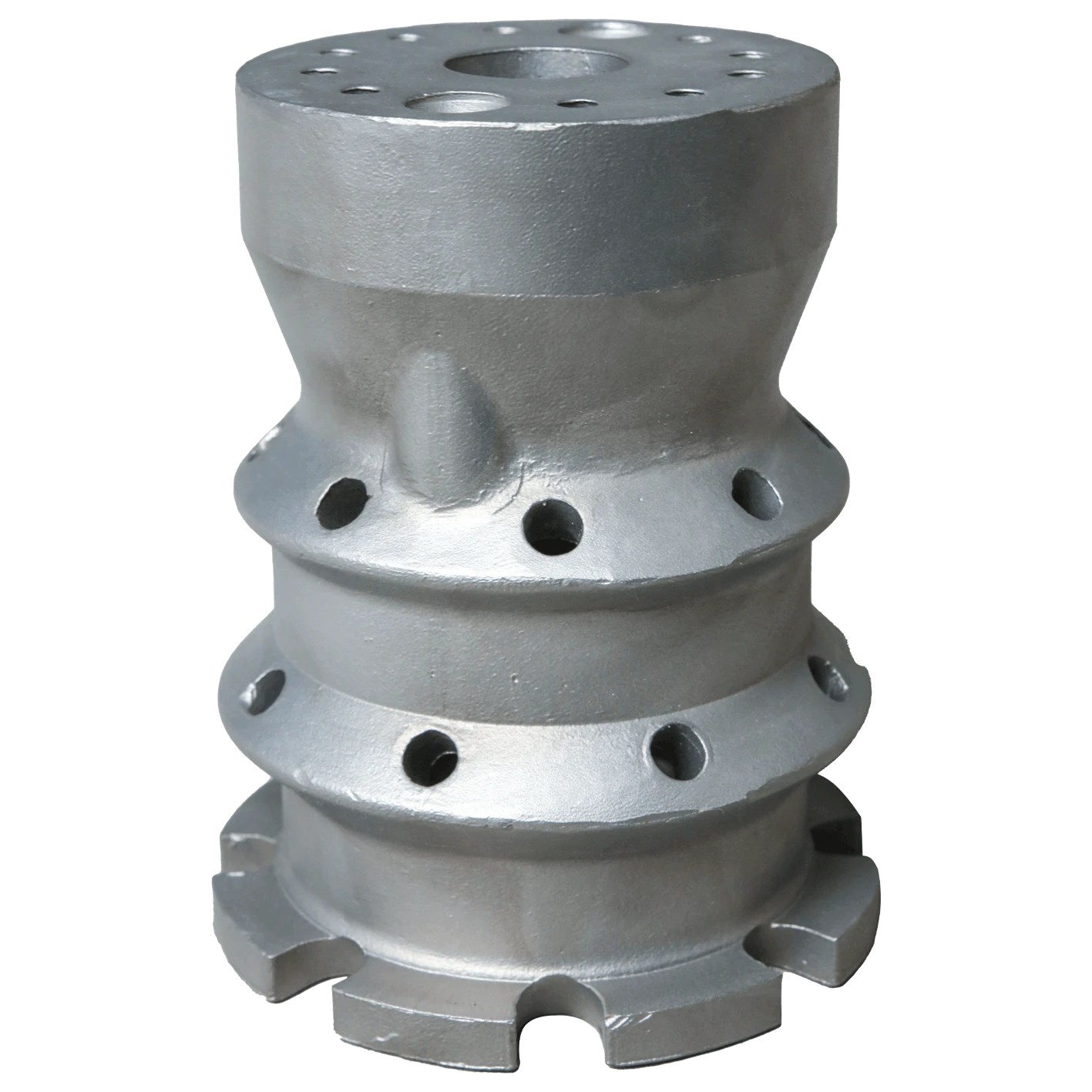
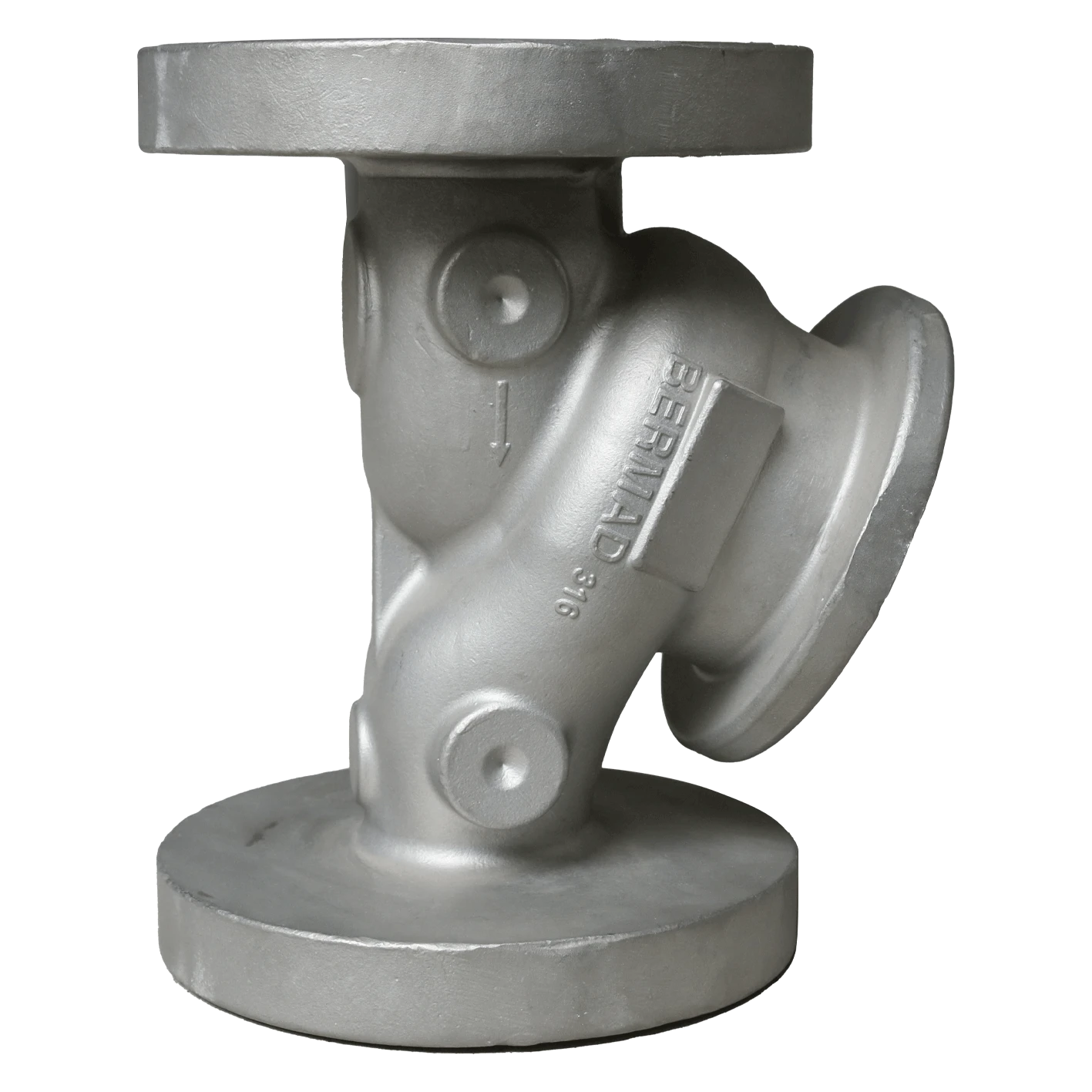
Custom steel casting is used when strength, toughness, and wear resistance are critical. Steel castings are commonly found in heavy machinery, construction equipment, and energy industries.
Benefits of steel casting include:
High tensile strength
Resistance to impact and fatigue
Ability to withstand extreme conditions
Versatility in alloy composition
Custom steel casting allows manufacturers to tailor material properties to meet demanding operational requirements.
Cast Iron Casting
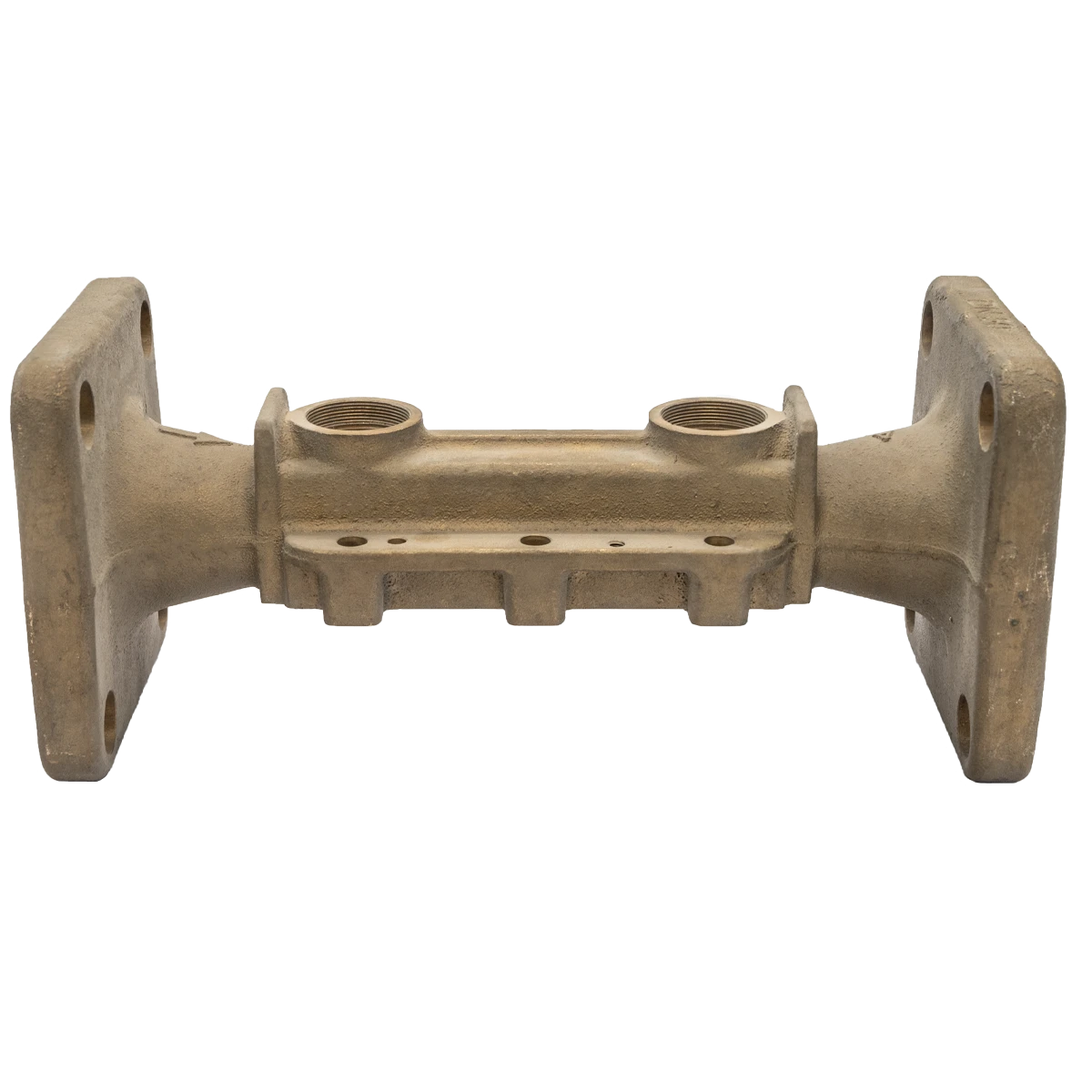
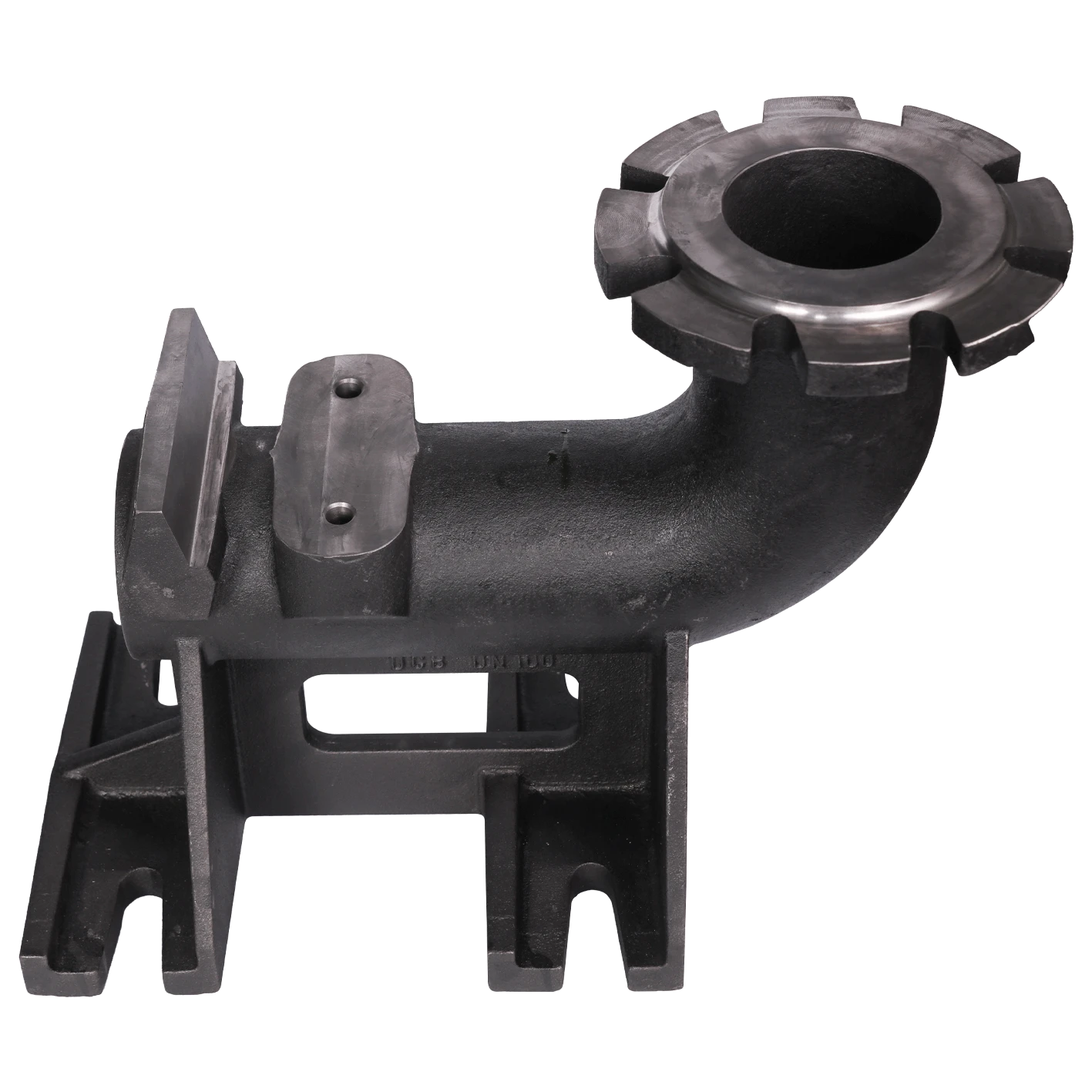
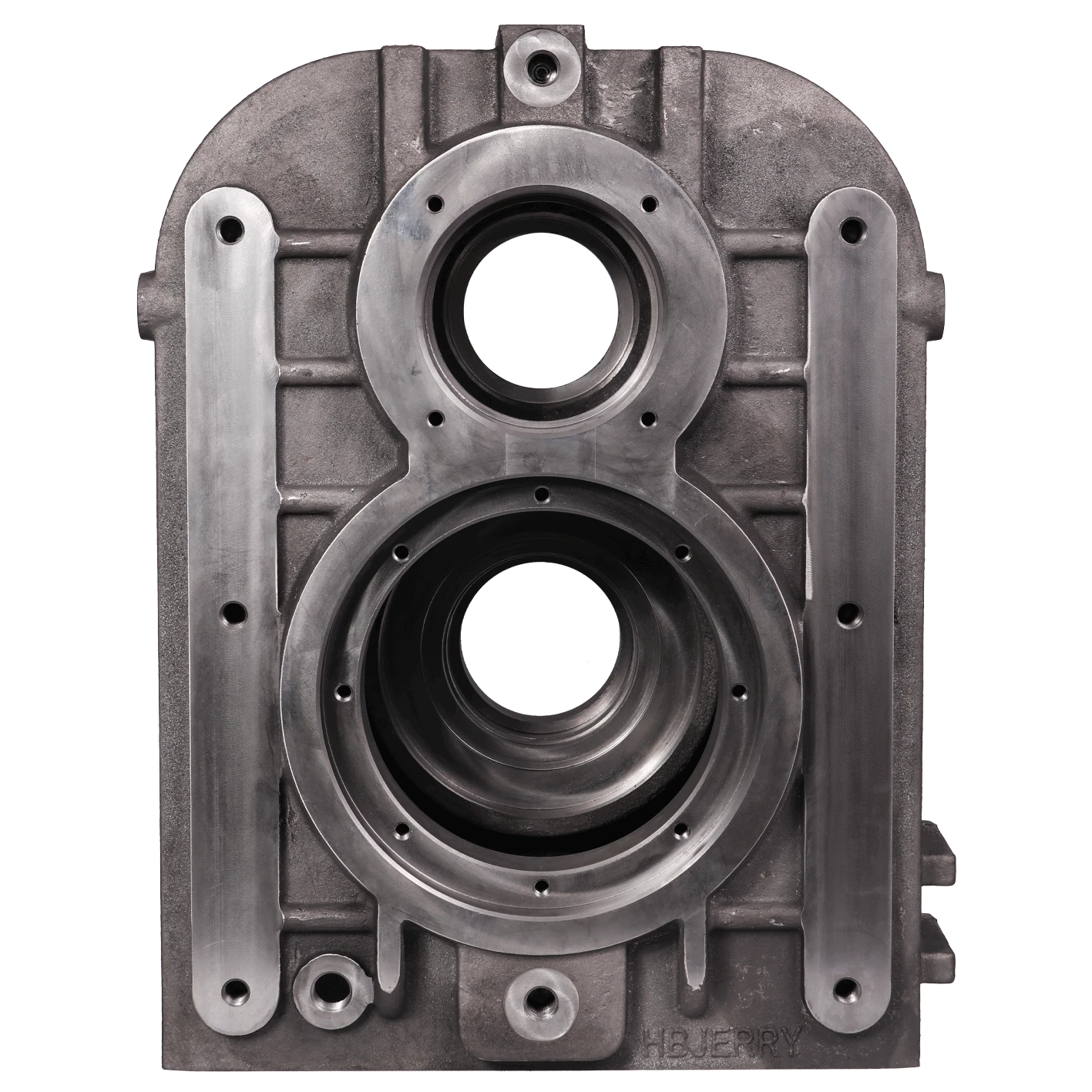
A custom cast iron foundry specializes in producing components with excellent durability and vibration resistance. Cast iron is known for its:
Superior wear resistance
Excellent machinability
High compressive strength
Cost-effectiveness
It is widely used in engine components, pipes, and heavy equipment parts.
The Cast Iron Casting Manufacturing Process
Understanding the cast iron casting manufacturing process helps businesses evaluate quality and efficiency when selecting a supplier.
The process typically involves the following steps:
Pattern Making
A replica of the final product is created using wood, plastic, or metal. This pattern forms the cavity in the mold.
Mold Preparation
Sand molds are commonly used in cast iron casting. The mold is formed around the pattern and then removed to leave a cavity.
Melting the Metal
Cast iron is melted in a furnace at high temperatures until it becomes liquid.
Verser
The molten iron is poured into the prepared mold cavity.
Cooling and Solidification
The metal cools and solidifies into the desired shape.
Shakeout and Cleaning
The mold is broken apart, and the casting is cleaned to remove excess material.
Machining and Finishing
Additional processes are performed to achieve precise dimensions and surface quality.
A professional custom cast iron foundry ensures strict quality control at every stage, resulting in reliable and durable components.
Choosing the Right Metal Casting Partner
Selecting the right metal casting company is a critical step that can significantly impact product quality, cost, and delivery timelines.
Factors to Consider
When evaluating casting partners, consider the following:
Experience and Expertise
Look for companies with proven experience in your industry.
Customization Capabilities
Whether you need die cast custom parts or custom steel casting, the ability to tailor solutions is essential.
Quality Assurance
Certifications and testing processes ensure consistent product quality.
Production Capacity
Make sure the company can handle your volume requirements.
Material Options
A versatile supplier offering aluminum, steel, and cast iron solutions provides greater flexibility.
Benefits of Working with Specialized Suppliers
Partnering with a dedicated aluminum die casting supplier or a specialized foundry offers several advantages:
Access to advanced technology
Improved product performance
Faster production cycles
Reduced manufacturing costs
Similarly, experienced die cast manufacturers can provide engineering support to optimize designs for manufacturability.
Future Trends in Metal Casting
The metal casting industry continues to evolve with advancements in technology and sustainability practices. Some emerging trends include:
Automation and Smart Manufacturing
Robotics and AI are improving precision and efficiency.
Sustainable Casting Practices
Recycling materials and reducing energy consumption are becoming priorities.
Advanced Alloys
New materials are being developed to enhance performance in extreme environments.
Digital Simulation
Software tools allow manufacturers to simulate casting processes, reducing defects and improving outcomes.
These innovations are helping metal casting companies deliver higher-quality products while minimizing environmental impact.
Metal casting remains a cornerstone of modern manufacturing, offering unmatched versatility and efficiency. Whether you are working with die cast manufacturers, seeking die cast custom solutions, or partnering with a custom cast iron foundry, understanding the materials and processes involved is essential.
From the detailed cast iron casting manufacturing process to advanced custom steel casting techniques and reliable aluminum die casting supplier services, the right partner can make all the difference in achieving your production goals.
By carefully selecting an experienced metal casting company, businesses can ensure high-quality components, improved performance, and long-term success in an increasingly competitive market.
-
Precision Valve Castings for Agricultural Irrigation and Fluid Control SystemsNouvellesMay.08,2026
-
Precision Impeller and Compressor Components for Agricultural MachineryNouvellesMay.08,2026
-
Essential Cast Components for Agricultural Machinery: Oil Management and Motor ProtectionNouvellesMay.08,2026
-
High-Performance Cast Components for Agricultural Machinery: From Cooling to Exhaust SystemsNouvellesMay.08,2026
-
Agricultural Valve Castings: Durable Flow Control Solutions for Farm Irrigation SystemsNouvellesMay.08,2026
-
High-Performance Agricultural Pump Components: Precision Castings for Reliable Farm OperationsNouvellesMay.08,2026