English

0%

Table of Contents

The realm of metal castings, particularly in the production of closing cap components, is a cornerstone of modern industry. Its relevance spans across diverse sectors, from automotive and energy to specialized equipment, demanding precision, durability, and reliability. Understanding the nuances of closing cap manufacturing and application is crucial for optimizing performance and ensuring the longevity of critical systems.

Globally, the demand for high-quality castings, including specifically designed closing cap solutions, is driven by infrastructure development, increasing industrialization in emerging markets, and the continuous refinement of existing technologies. The capacity to consistently deliver components that meet stringent specifications is paramount for maintaining supply chain integrity and fostering innovation across numerous industries.

Investing in advanced casting processes and materials, particularly when fabricating closing cap, directly translates to enhanced operational efficiency, reduced downtime, and a more sustainable approach to manufacturing. This makes a focused understanding of this component critical for businesses operating within these dynamic environments.
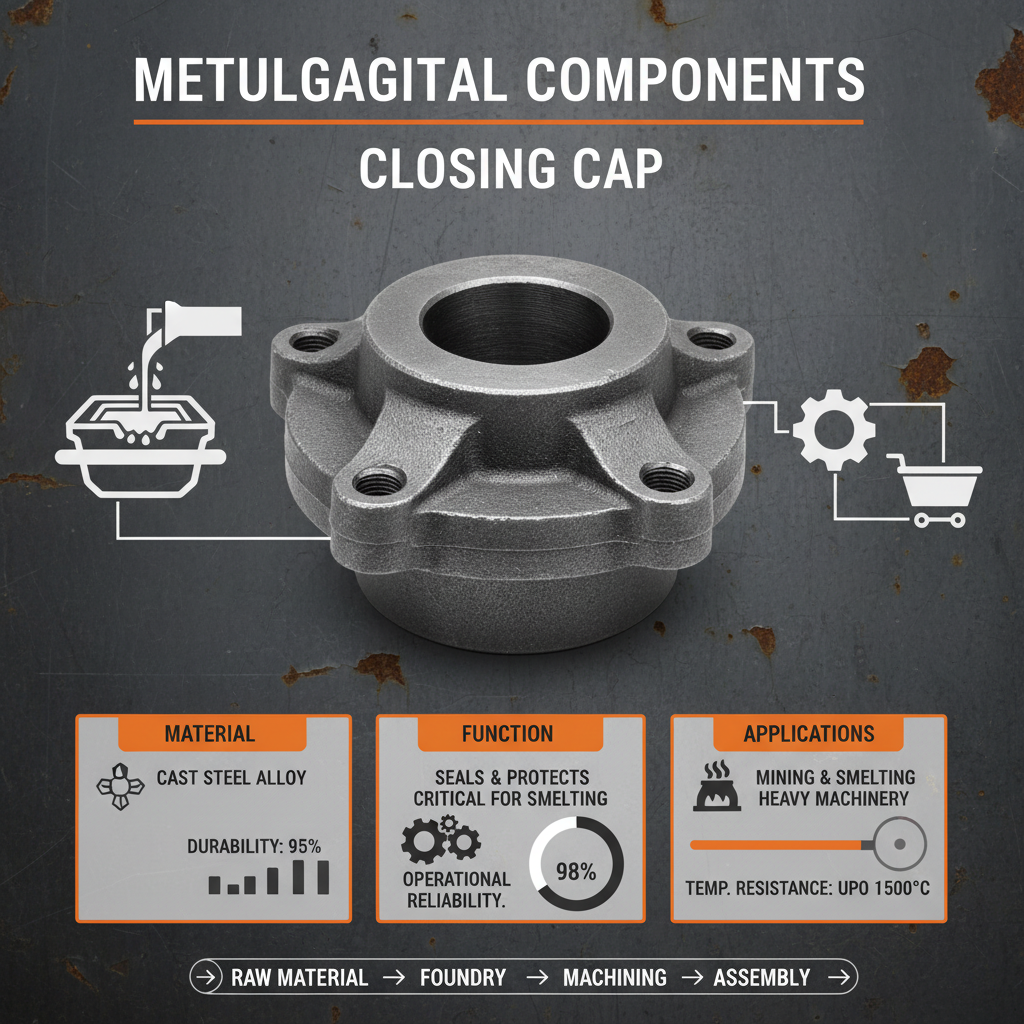
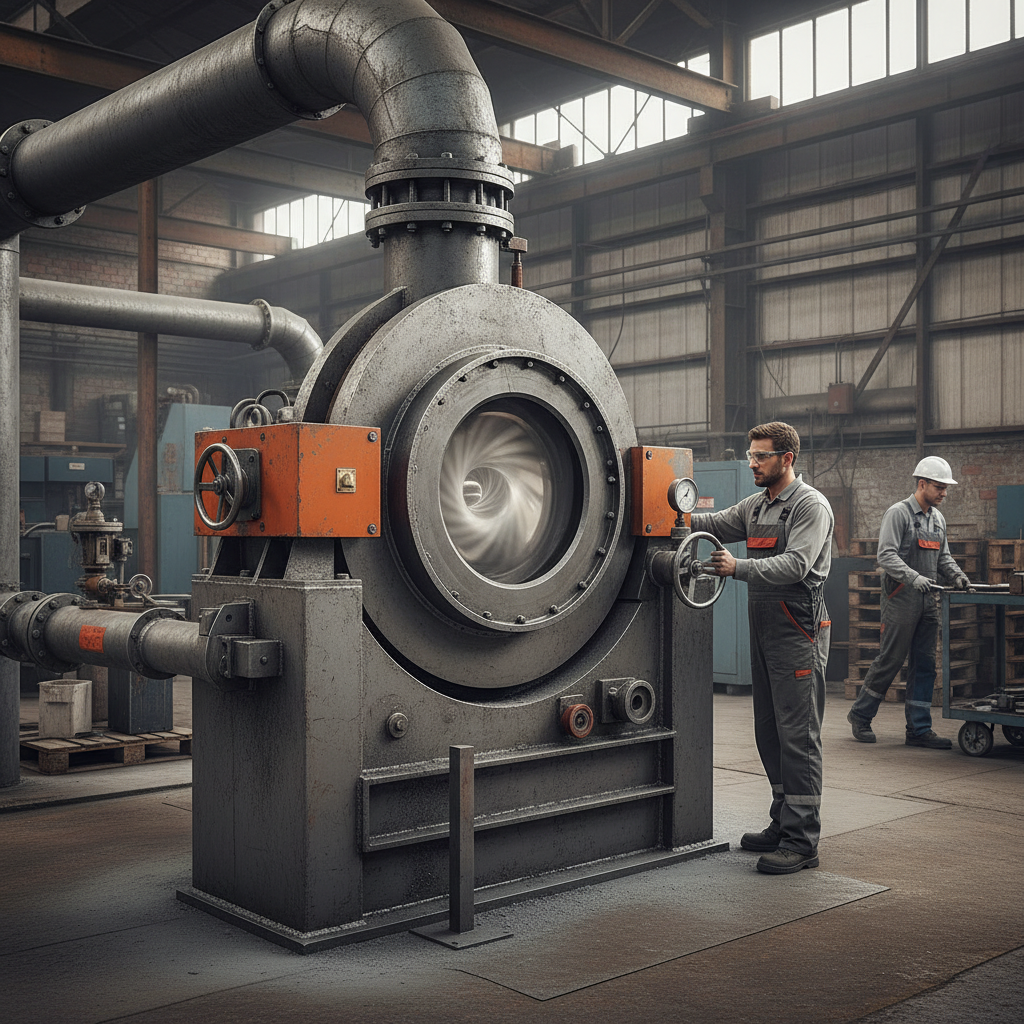
Optimizing Industrial Systems with Durable Closing Cap Solutions

Defining Closing Caps: Function and Significance

Optimizing Industrial Systems with Durable Closing Cap Solutions

In its simplest form, a closing cap is a component designed to seal or terminate an opening in a casting, pipe, or vessel. These caps ensure containment, prevent leakage, and maintain the integrity of pressurized systems. However, their function extends far beyond mere sealing. They are integral to the overall performance and safety of the equipment they serve.

The importance of closing caps stems from their wide-ranging applications in critical industries. From securing hydraulic systems in heavy machinery to safeguarding sensitive components in automotive engines, a reliable closing cap is often the last line of defense against catastrophic failures. Their design and manufacturing are therefore subject to stringent quality control measures and material specifications.

The Global Importance of Closing Cap Components

The demand for high-performance closing cap components is globally significant, fueled by expanding industrial sectors and the increasing complexity of modern machinery. Regions experiencing rapid infrastructure development, like Southeast Asia and parts of Africa, rely heavily on reliable casting solutions, including robust closing caps, to support their growth.

According to recent reports from the World Bank, investment in infrastructure projects is projected to reach trillions of dollars in the coming decades. This surge in construction and industrial activity directly translates to a higher demand for specialized components like closing cap, which are essential for ensuring the safe and efficient operation of critical systems.

Furthermore, the automotive industry, a major consumer of castings, is undergoing a period of transformation, with a shift towards electric vehicles and hybrid technologies. This evolution necessitates the development of new and innovative closing cap designs to accommodate the unique requirements of these emerging powertrains.

Key Characteristics of High-Quality Closing Caps

Several key characteristics define a high-quality closing cap. Durability is paramount, necessitating the use of materials capable of withstanding high pressures, extreme temperatures, and corrosive environments. The material selection often dictates the cap’s lifespan and suitability for specific applications.

Precision is another critical factor. A properly fitted closing cap requires tight tolerances and a flawless surface finish to ensure a leak-proof seal. Advanced manufacturing techniques, such as investment casting and CNC machining, are commonly employed to achieve the necessary level of accuracy.

Finally, material traceability and compliance with industry standards (such as ISO 9001) are essential for guaranteeing the quality and reliability of closing cap components. Thorough documentation and rigorous testing procedures are integral to this process, ensuring that each cap meets the specified performance criteria.

Application Spectrum: Where Closing Caps are Essential

The versatility of closing cap leads to their widespread use across a broad range of industries. In the automotive sector, they are employed in engine blocks, transmission housings, and hydraulic systems. Electric power accessories frequently utilize them in generators, transformers, and control panels.

Pump and valve parts also depend heavily on reliable closing cap to maintain internal pressure and prevent fluid leakage. Beyond these core applications, they find use in agricultural machinery, construction equipment, and even aerospace components, highlighting their adaptability to diverse engineering challenges.

Closing Cap Application Distribution


Advantages of Precision-Engineered Closing Caps

Utilizing precision-engineered closing cap offers a multitude of advantages. Beyond enhanced leak prevention, optimized designs contribute to improved system efficiency, reducing energy loss and operational costs.

A well-designed closing cap can also minimize maintenance requirements, extending the lifespan of critical equipment and lowering overall lifecycle costs. This translates to increased productivity and reduced downtime, ultimately boosting profitability.

Future Trends in Closing Cap Technology

The future of closing cap technology is intertwined with advancements in materials science and manufacturing processes. The development of lightweight, high-strength alloys and composite materials is paving the way for more durable and efficient cap designs.

Furthermore, the integration of smart sensors and digital monitoring capabilities into closing cap components will enable predictive maintenance and real-time performance analysis, further optimizing operational efficiency and safety.

Additive manufacturing, or 3D printing, also holds immense potential for creating customized closing cap solutions tailored to specific application requirements, reducing lead times and minimizing material waste.

Overcoming Challenges in Closing Cap Manufacturing

Despite advancements in manufacturing technology, several challenges remain in the production of high-quality closing cap. Maintaining consistent dimensional accuracy and surface finish can be difficult, particularly when dealing with complex geometries or demanding material specifications.

Another challenge is minimizing porosity and other defects within the casting itself. This requires careful control of the melting and pouring processes, as well as the implementation of rigorous quality control measures.

Addressing these challenges requires a combination of advanced manufacturing techniques, skilled personnel, and a commitment to continuous improvement. Investing in non-destructive testing methods, such as ultrasonic inspection and radiography, is also crucial for ensuring the integrity of closing cap components.

Summary of Common Manufacturing Challenges and Mitigation Strategies

Challenge Impact on Closing Cap Quality Mitigation Strategy Severity (1-10)
Dimensional Inaccuracy Compromised Seal, Leakage CNC Machining, Precision Casting 8
Porosity in Casting Reduced Strength, Potential for Fracture Vacuum Casting, Optimized Pouring 9
Surface Finish Defects Impaired Seal, Increased Friction Polishing, Surface Treatment 7
Material Impurities Reduced Corrosion Resistance High-Quality Alloy Selection 6
Heat Treatment Issues Altered Mechanical Properties Precise Temperature Control 7
Lack of Traceability Difficult to Verify Quality Robust Documentation System 5

FAQS

What materials are commonly used in the manufacture of closing caps?

Closing caps are frequently manufactured from ductile iron, carbon steel, stainless steel, and aluminum alloys. The material selection is dependent on the application's requirements for strength, corrosion resistance, and operating temperature. Ductile iron offers excellent strength and ductility, while stainless steel provides superior corrosion protection. Careful consideration of the service environment is critical when choosing the appropriate material for a specific closing cap application.

How do I ensure a proper seal with a closing cap?

Achieving a proper seal with a closing cap requires several factors. Ensure the mating surfaces are clean and free of debris. Utilizing the correct torque specification during installation is critical. A gasket or sealing compound may also be necessary, depending on the design and application. Finally, verifying the cap's dimensions and ensuring it is compatible with the receiving port are essential steps in maintaining a leak-proof seal.

What is the typical lifespan of a closing cap?

The lifespan of a closing cap varies significantly based on the application and operating conditions. Factors such as pressure, temperature, exposure to corrosive substances, and frequency of removal all influence its longevity. With proper installation and maintenance, a well-manufactured closing cap can last for several years, or even decades, in less demanding environments. Regular inspections are recommended to identify any signs of wear or corrosion.

Can closing caps be custom designed for specific applications?

Yes, custom design and manufacturing of closing cap components are readily available. Working with a qualified casting manufacturer allows you to specify unique geometries, materials, and features to meet your exact requirements. This is particularly beneficial for specialized applications where standard caps do not provide adequate performance or compatibility. 3D modeling and prototyping can facilitate the design process.

What are the common failure modes of closing caps?

Common failure modes for closing cap include corrosion, cracking due to fatigue or stress, and leakage caused by improper sealing. Over-tightening or under-tightening during installation can also lead to failures. Regular inspections can help identify potential problems before they escalate into critical failures. Analyzing the failure mode can provide valuable insights for improving future designs and material selections.

What quality control measures are used to ensure the reliability of closing caps?

Rigorous quality control measures are essential for ensuring the reliability of closing caps. These include visual inspections for surface defects, dimensional measurements to verify tolerances, and material testing to confirm composition and mechanical properties. Non-destructive testing methods, such as ultrasonic inspection and radiography, are often employed to detect internal flaws. Compliance with industry standards, such as ISO 9001, is also a key indicator of quality.

Conclusion

In conclusion, the closing cap, while seemingly a small component, plays a vital role in the functionality and safety of countless industrial systems. From ensuring containment in critical processes to protecting sensitive equipment, its importance cannot be overstated. Understanding the key characteristics of high-quality closing caps, the evolving technologies surrounding their manufacture, and the potential challenges is essential for maintaining operational efficiency and minimizing downtime.

Looking ahead, the continued advancement of materials science and manufacturing techniques will undoubtedly lead to even more robust, reliable, and customized closing cap solutions. By embracing innovation and prioritizing quality, we can unlock new levels of performance and sustainability in the industries that rely on these essential components. For dependable and tailored closing cap solutions, visit our website: www.ydcastings.com

Robert Miller

Robert Miller

Robert Miller is a seasoned Mechanical Engineer at Hebei Yuanda Trade Co., Ltd., with over 15 years of experience in the metal casting industry. He specializes in sand casting and lost foam casting for pump and automotive applications. Robert is instrumental in bridging the gap between customer specifications and our
Previous Industrial End Plug Engineering for Precision Sealing Solutions
Next Optimizing Industrial Processes with Advanced Impeller Pump Centrifugal Technology