English

Mobile:+86-311-8081-2683
Email:info@ydcastings.com
English
what is forging and casting
Understanding Forging and Casting Two Fundamental Metalworking Processes
In the world of metalworking, two foundational processes stand out for their distinct yet complementary roles forging and casting. Each technique has its unique characteristics, advantages, and applications, making them essential in the manufacturing of a wide range of products, from simple tools to complex machinery components. In this article, we will delve into these two processes, exploring their methods, benefits, and suitability for different applications.
What is Forging?
Forging is a manufacturing process that involves shaping metal through the application of compressive forces. Typically conducted at elevated temperatures, forging enhances the metal's ductility, allowing it to be shaped without breaking. The basic principle of forging can be traced back to ancient times when blacksmiths shaped metal by hammering it. Today, forging methods have evolved significantly, and they can be classified into two main categories hot forging and cold forging.
Hot Forging In hot forging, the metal is heated to a temperature above its recrystallization point, making it easier to deform. This process is typically performed on larger parts and produces a fine-grained structure, improving the material's strength and toughness. Hot forging is commonly used in industries such as automotive and aerospace for components like crankshafts, gears, and connecting rods.
Cold Forging Conversely, cold forging occurs at or near room temperature. This method is often used for smaller parts and emphasizes precision and surface finish. Cold-forged components are typically strong, with tight tolerances, making them ideal for applications requiring high durability and dimensional accuracy, such as fasteners and specialized tools.
Advantages of Forging
The forging process offers several key advantages
1. Enhanced Mechanical Properties Forging improves the metallurgical structure of the metal, resulting in components with superior strength, toughness, and fatigue resistance compared to cast materials.
2. Uniform Grain Structure The compressive forces involved in forging lead to a refined grain structure, which contributes to enhanced mechanical performance.
3. Reduced Waste Forging typically produces less waste material compared to casting, as the material can often be reused.
What is Casting?
what is forging and casting
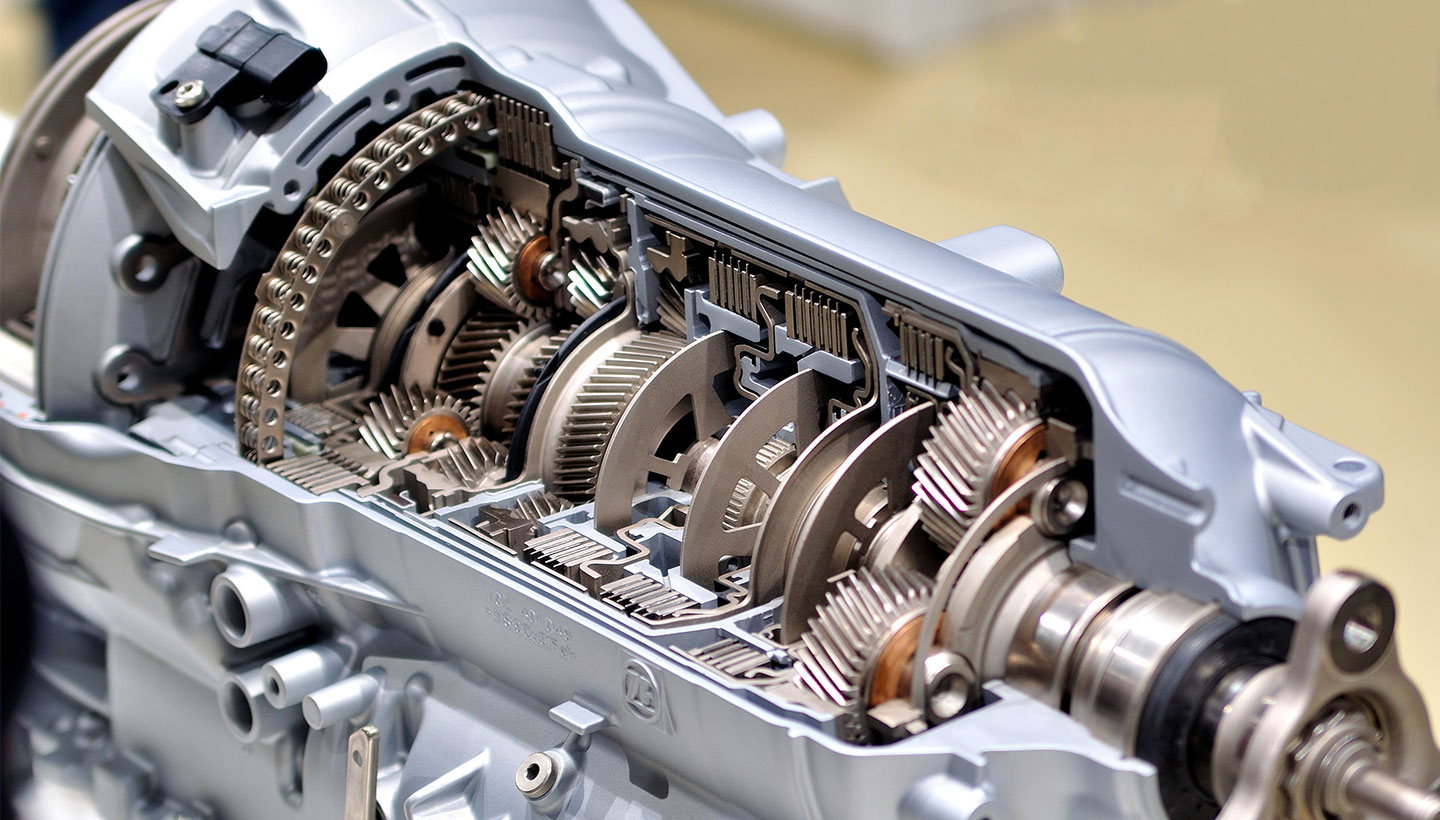
Casting, on the other hand, is a process where molten metal is poured into a mold and allowed to cool and solidify into the desired shape. This method has been utilized for thousands of years and remains a vital technique in the manufacturing industry. There are several types of casting processes, including sand casting, investment casting, and die casting.
Sand Casting This is one of the oldest and most widely used casting methods, involving the creation of a sand mold in which molten metal is poured. Sand casting is known for its versatility and is suitable for large and complex parts.
Investment Casting Also known as lost-wax casting, this technique involves creating a wax model that is then coated in a ceramic material. Once heated, the wax is melted away, leaving a cavity for molten metal. This process allows for intricate designs and high precision.
Die Casting In die casting, molten metal is injected into a metal mold under high pressure. This method is typically used for high-volume production of small to medium-sized parts with excellent surface finish and dimensional accuracy.
Advantages of Casting
Casting also presents numerous advantages
1. Complex Shapes Casting allows for the production of intricate shapes that may be impossible or cost-prohibitive to achieve through forging.
2. Material Variety A wide range of materials, including ferrous and non-ferrous metals, can be cast, opening the door for diverse applications.
3. Efficiency in Production Once a mold is made, casting can be a highly efficient process, especially for mass production, as it allows for rapid replication of components.
4. Cost-Effectiveness For large production runs, casting can be more cost-effective than forging, particularly for large parts where the setup cost is amortized over many units.
Conclusion
In summary, forging and casting are two essential processes in metalworking, each with its unique advantages and applications. Understanding these techniques allows manufacturers to choose the right method for their specific needs, ultimately leading to the production of high-quality components that meet the demands of various industries. Whether through the strength derived from the forging process or the intricate designs possible with casting, these methods continue to play a vital role in advancing modern manufacturing technologies.
-
Choosing an Engine Storage Crate Cover for Material and EnvironmentNewsNov.23,2026
-
Cylinder Head Chamber Buyers: Check the Casting Specification FirstNewsNov.17,2026
-
How Impeller Casting Manufacturers Match Material, Process and EquipmentNewsNov.15,2026
-
Valve body vs. intake air chamber: Which casting fits your assembly?NewsNov.02,2026
-
Air Intake Chamber FAQ: Specifications, Ordering and Support QuestionsNewsOct.28,2026
-
Motorcycle Accessories FAQ: Specifications, Ordering and Support QuestionsNewsOct.24,2026










