English

Mobile:+86-311-8081-2683
Email:info@ydcastings.com
English
Techniques for Effectively Casting Molten Aluminum in Modern Manufacturing Processes
Casting Molten Aluminum Techniques and Applications
Aluminum casting is a crucial process in the manufacturing and engineering industries, allowing for the production of complex shapes and components that are integral to various applications. Casting molten aluminum not only offers a lightweight alternative to other metals but also provides excellent strength-to-weight ratios, corrosion resistance, and thermal conductivity. This article will explore the fundamental techniques involved in casting molten aluminum, its benefits, and its diverse applications.
Techniques of Casting Molten Aluminum
There are several methods for casting molten aluminum, with each technique tailored to specific requirements in terms of product design, volume, and material properties
. The most common methods include sand casting, die casting, permanent mold casting, and investment casting.1. Sand Casting This traditional method involves creating a mold from a mixture of sand and bonding agent. The molten aluminum is poured into the sand mold, where it cools and solidifies. Sand casting is advantageous for producing large components and is relatively cost-effective for low to medium production volumes. However, the surface finish may not be as smooth as other methods.
2. Die Casting Die casting is ideal for high-volume production as it allows for rapid manufacturing of parts with tight tolerances. In this method, molten aluminum is injected into a reusable mold at high pressure. This results in precise dimensions and a superior surface finish, making it suitable for intricate designs. However, die casting requires a significant upfront investment in molds, making it less economical for small production runs.
3. Permanent Mold Casting Similar to die casting, permanent mold casting uses metal molds that can withstand multiple cycles. The molds are preheated before pouring the molten aluminum, which helps in achieving better surface finishes and dimensional accuracy. This method is efficient for medium-volume production but may be limited in achieving very complex geometries.
4. Investment Casting Known for its capability to produce highly intricate shapes, investment casting involves creating a wax pattern that is coated with a ceramic material. Once the ceramic hardens, the wax is melted away, leaving a hollow mold for the molten aluminum. This process is more labor-intensive and is best suited for low-volume production of high-value parts, especially in the aerospace and medical industries.
Benefits of Casting Molten Aluminum
casting molten aluminum
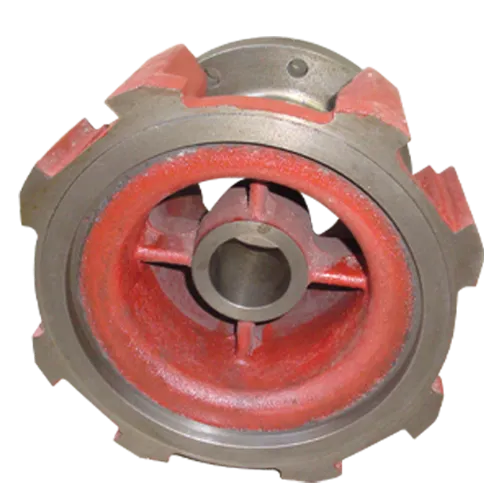
Casting molten aluminum offers numerous advantages that make it a preferred choice in various industries. Firstly, aluminum’s lightweight nature contributes to reduced overall weight in applications such as automotive and aerospace components, leading to improved fuel efficiency.
Secondly, aluminum exhibits excellent corrosion resistance, allowing cast products to withstand harsh environments without succumbing to oxidation or degradation over time. This property is particularly beneficial in marine and outdoor applications.
Additionally, aluminum has good thermal and electrical conductivity, making it suitable for applications in electrical components and heat exchangers. The versatility of casting methods also means that manufacturers can produce both small and large parts with varying complexities.
Applications of Cast Aluminum
The applications of cast aluminum are vast and varied. It plays a significant role in the automotive industry, with components like engine blocks, transmission cases, and structural parts being routinely manufactured through aluminum casting techniques. The lightweight nature of these parts contributes to improved vehicle performance and efficiency.
In the aerospace sector, aluminum castings are used in aircraft structures, engine components, and landing gear. The ability to produce complex shapes with high precision makes aluminum casting indispensable for meeting the stringent safety and performance standards of the industry.
Moreover, the plumbing and HVAC industries utilize cast aluminum in components such as fittings, housings, and heat exchangers. Its durability and resistance to corrosion ensure long-lasting and reliable performance in these applications.
Conclusion
Casting molten aluminum is an essential process in contemporary manufacturing, offering a blend of strength, lightweight characteristics, and versatility in design. With various casting techniques available, industries can select the most appropriate method to meet their specific requirements. As technology continues to advance, the future of aluminum casting holds even greater promise for innovation and efficiency in product development across numerous sectors.
-
Choosing an Engine Storage Crate Cover for Material and EnvironmentNewsNov.23,2026
-
Cylinder Head Chamber Buyers: Check the Casting Specification FirstNewsNov.17,2026
-
How Impeller Casting Manufacturers Match Material, Process and EquipmentNewsNov.15,2026
-
Valve body vs. intake air chamber: Which casting fits your assembly?NewsNov.02,2026
-
Air Intake Chamber FAQ: Specifications, Ordering and Support QuestionsNewsOct.28,2026
-
Motorcycle Accessories FAQ: Specifications, Ordering and Support QuestionsNewsOct.24,2026










