English

Mobile:+86-311-8081-2683
Email:info@ydcastings.com
English
weld on pipe caps
Understanding Weld-On Pipe Caps An Essential Guide
Weld-on pipe caps are vital components in various piping systems, utilized across industries ranging from construction to oil and gas. They serve the primary function of sealing the end of a pipe, preventing the escape of fluids or gases, and protecting the internal surfaces from environmental factors. This article delves into the significance, types, and application of weld-on pipe caps, providing a comprehensive overview for engineers, contractors, and industry professionals.
What are Weld-On Pipe Caps?
Weld-on pipe caps are fittings designed to cover the open ends of a pipe. They are typically made from materials such as carbon steel, stainless steel, or other alloys, ensuring durability and corrosion resistance. The design of these caps allows them to be welded directly onto the pipe, creating a secure and leak-proof seal.
The welding process involves applying heat to join the cap to the pipe seamlessly. This technique not only ensures a robust connection but also withstands high pressures and varying temperatures, making weld-on caps ideal for critical applications.
Types of Weld-On Pipe Caps
Weld-on pipe caps come in various shapes and sizes, catering to different piping needs
1. Standard Caps These are the most common type, designed to fit over the pipe’s outer diameter. They are often used in routine applications where a tight seal is required.
2. Reducing Caps These feature a smaller opening to allow for a change in pipe diameter. Reducing caps are essential in systems needing to transition from larger to smaller pipe sizes.
3. Hemispherical Caps These caps are shaped like half-spheres and are used in applications that require a smooth flow of fluid to minimize turbulence.
4. Custom Caps Industries with specific needs may require customized caps fabricated to precise specifications, ensuring optimal performance in unique situations.
Applications of Weld-On Pipe Caps
Weld-on pipe caps find usage in a wide array of applications
weld on pipe caps
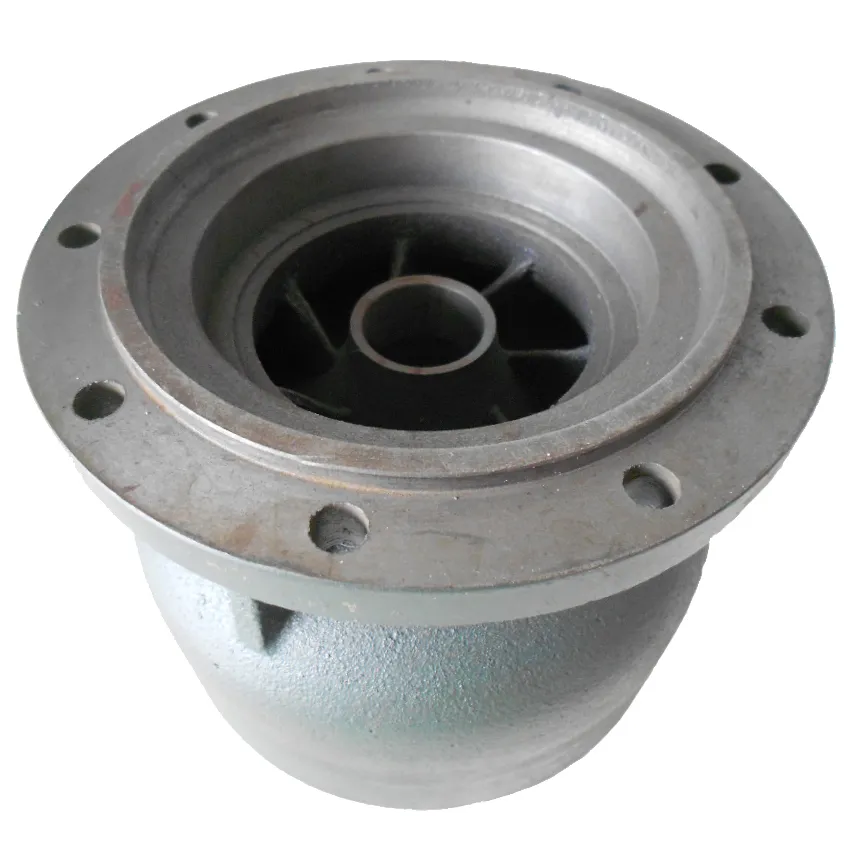
- Oil and Gas In the oil and gas industry, these caps are crucial for maintaining pressure in pipelines and protecting the system from external elements during transit.
- Water and Wastewater Management In water treatment facilities, pipe caps help seal off unused pipeline sections, ensuring efficient operation and maintaining water quality.
- Construction In construction projects, weld-on caps are used to secure pipe ends in structural applications, preventing debris and other contaminants from entering.
- Manufacturing In manufacturing processes, these caps are important in closed-loop systems, enhancing safety and efficiency by sealing off components that require maintenance or inspection.
Considerations When Selecting Weld-On Pipe Caps
When selecting weld-on pipe caps, several factors should be considered
1. Material Compatibility Choose a cap material that is compatible with the pipe material to prevent galvanic corrosion.
2. Pressure and Temperature Ratings Ensure that the caps can withstand the intended pressure and temperature conditions of the application.
3. Size and Fitment Accurate measurements are crucial. The cap must fit snugly onto the pipe for optimal sealing.
4. Welding Process Consider the type of welding process that will be used, as different techniques may have specific requirements for cap selection.
Conclusion
Weld-on pipe caps play a critical role in various industries by ensuring the integrity of piping systems. Understanding the types, applications, and selection criteria can help professionals make informed decisions when specifying materials for their projects. As industries continue to evolve, the demand for reliable sealing solutions such as weld-on pipe caps will undoubtedly increase, emphasizing their importance in maintaining pipeline safety and efficiency.
-
Choosing an Engine Storage Crate Cover for Material and EnvironmentNewsNov.23,2026
-
Cylinder Head Chamber Buyers: Check the Casting Specification FirstNewsNov.17,2026
-
How Impeller Casting Manufacturers Match Material, Process and EquipmentNewsNov.15,2026
-
Valve body vs. intake air chamber: Which casting fits your assembly?NewsNov.02,2026
-
Air Intake Chamber FAQ: Specifications, Ordering and Support QuestionsNewsOct.28,2026
-
Motorcycle Accessories FAQ: Specifications, Ordering and Support QuestionsNewsOct.24,2026










