English

Mobile:+86-311-8081-2683
Email:info@ydcastings.com
English
casting techniques
Casting Techniques An Overview
Casting is a manufacturing process that involves pouring molten material into a mold to create a desired shape or product. The versatility of casting techniques has made it a fundamental method in industries ranging from automotive to aerospace, art, and more. This article explores various casting techniques, their applications, and the advantages they offer.
1. Sand Casting
Sand casting is one of the oldest and most widely used casting techniques. This method involves creating a mold from sand and a binding agent. The mold consists of two halves that are packed tightly to create a cavity in the shape of the desired part. Molten metal is then poured into the cavity to form the final product.
Advantages Sand casting is cost-effective, capable of producing large and complex parts, and suitable for a wide range of metals, including iron, steel, and aluminum. It allows for the creation of large components and offers flexibility in terms of part design.
Investment casting, also known as precision casting or lost-wax casting, involves creating a wax model of the desired part, which is then coated in a ceramic material to create a mold. Once the mold is hardened, the wax is melted and removed, leaving a cavity for the molten metal.
Advantages This technique provides high dimensional accuracy and excellent surface finish, making it ideal for producing intricate components in industries such as aerospace, medical, and automotive. Additionally, investment casting allows for the casting of complex geometries that would be difficult or impossible to achieve with other methods.
3. Die Casting
Die casting is a pressure casting process where molten metal is forced into a mold cavity under high pressure. This technique is commonly used for non-ferrous metals, such as aluminum, zinc, and magnesium. The dies used in die casting are made of steel, which can withstand the high pressure and temperatures involved.
casting techniques
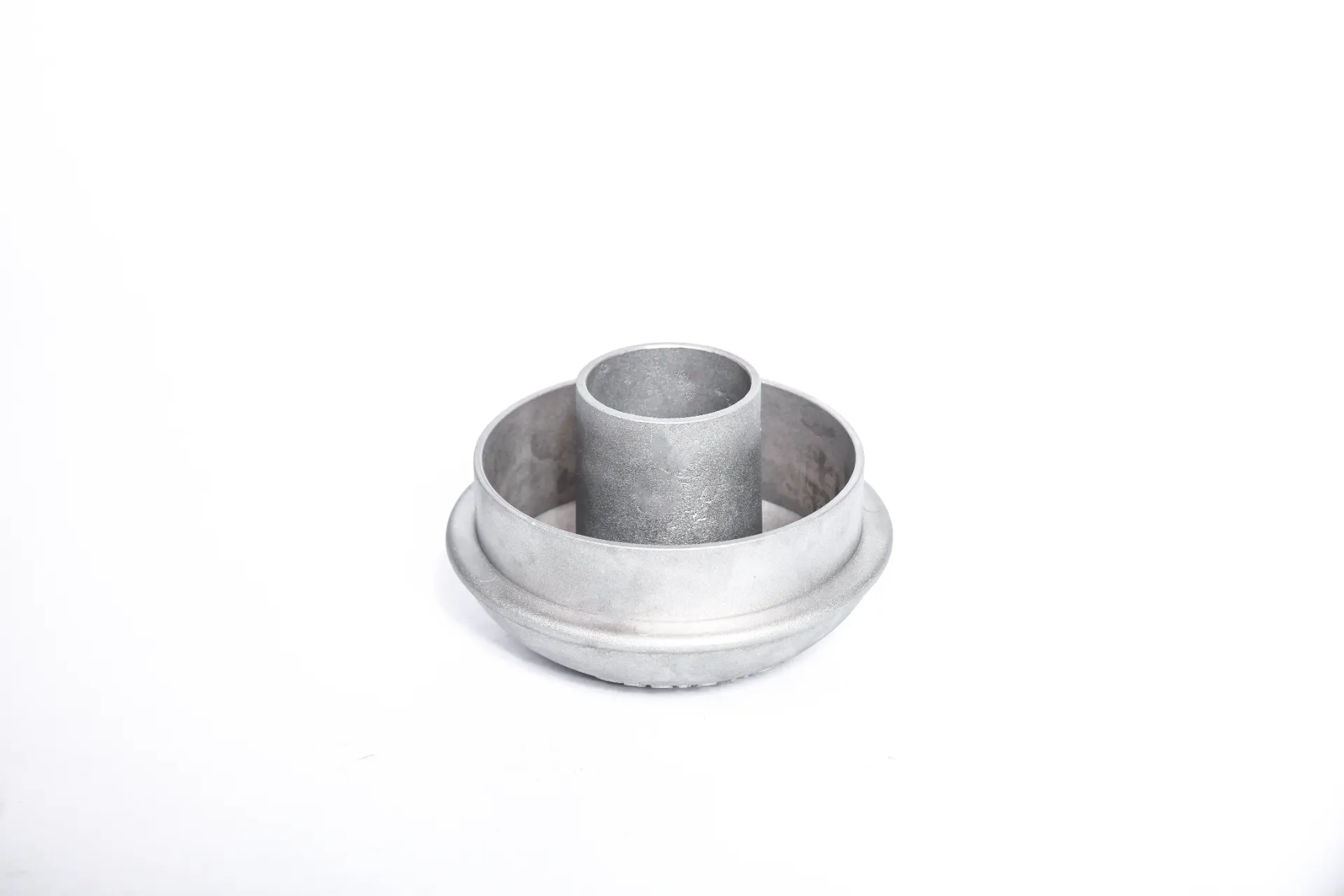
Advantages Die casting yields highly accurate and repeatable parts with smooth surfaces. It is efficient for high-volume production and is particularly beneficial for creating complex shapes with thin walls, making it ideal for the automotive and consumer products industries.
4. Continuous Casting
Continuous casting is a process where molten metal is poured into a mold and allowed to solidify as it moves through the casting line. This method is primarily used for producing long shapes, such as bars, slabs, and billets, typically for the steel and non-ferrous metal industries.
Advantages Continuous casting offers a high production rate and reduced material waste, making it cost-efficient. The process also provides improved mechanical properties in the final product due to the uniform cooling rates.
5. Shell Molding
Shell molding is a variation of sand casting that uses a thin shell of sand and resin to create the mold. This shell is formed by heating the sand mixture in contact with a pattern, resulting in a more durable mold with better dimensional control.
Advantages Shell molding enhances surface finish and dimensional accuracy compared to traditional sand casting. It is particularly useful for producing medium-sized parts with complex geometries.
Conclusion
Casting techniques play a crucial role in modern manufacturing, enabling the production of everything from small components to large industrial parts. Each technique offers distinct advantages, making them suitable for various applications depending on the requirements of the final product. As technology advances, casting methods continue to evolve, leading to improved precision, efficiency, and sustainability in the manufacturing process.
In an era where customization and rapid prototyping are becoming increasingly important, the adaptability of these casting techniques ensures they will remain relevant in the industry. Understanding the strengths and limitations of each method allows engineers and manufacturers to choose the best casting technique for their specific needs, maximizing efficiency and product quality. Whether for mass production or artisanal craft, the world of casting techniques is a fascinating intersection of art and engineering, continually pushing the boundaries of what is possible.
-
Choosing an Engine Storage Crate Cover for Material and EnvironmentNewsNov.23,2026
-
Cylinder Head Chamber Buyers: Check the Casting Specification FirstNewsNov.17,2026
-
How Impeller Casting Manufacturers Match Material, Process and EquipmentNewsNov.15,2026
-
Valve body vs. intake air chamber: Which casting fits your assembly?NewsNov.02,2026
-
Air Intake Chamber FAQ: Specifications, Ordering and Support QuestionsNewsOct.28,2026
-
Motorcycle Accessories FAQ: Specifications, Ordering and Support QuestionsNewsOct.24,2026










