English

Mobile:+86-311-8081-2683
Email:info@ydcastings.com
English
sand casting supplies
Understanding Sand Casting Supplies A Comprehensive Guide
Sand casting, also known as sand mold casting, is a popular and versatile method of manufacturing metal parts. This traditional technique has stood the test of time due to its ability to produce complex shapes and large quantities of components with relative ease. However, to achieve optimal results, understanding sand casting supplies and their proper utilization is crucial for both amateur and professional foundries.
Essential Sand Casting Supplies
1. Sand The primary material used in sand casting is the mold sand itself, which typically consists of a fine silica sand mixed with a binder and moisture. The most common types of sand include green sand, which is a mixture of sand, clay, and water that retains moisture; and resin sand, which uses a resin binder for enhanced strength and temperature resistance. The right choice of sand can greatly influence the quality of the casting and ease of mold-making.
2. Binders Binders are materials added to sand to enhance its cohesiveness and provide structural integrity to the mold. Common binders in sand casting include sodium silicate, clay, and organic resins. The choice of binder affects the sand’s properties such as permeability, strength, and the ability to withstand thermal stress.
3. Additives Various additives can be incorporated into the sand mixture to improve specific properties. For instance, coal dust can be added to natural sand to reduce oxidation and improve surface finish. Other additives, like steel shot or grains of chromite, may also be used to enhance the mold's properties based on the requirements of the casting process.
4. Pattern A pattern is a replica of the item to be cast and is typically made from wood, metal, or plastic. The pattern must be designed slightly larger than the final product to accommodate shrinkage that occurs during the cooling process. Patterns come in different types, including solid, split, and core patterns, each serving unique functions in the casting process.
5. Molding Tools Various tools assist in the molding process, including molding boxes, rammers, and scribers. Molding boxes hold the sand and pattern in place, while rammers are used to compact the sand tightly around the pattern, preventing it from collapsing during pouring.
sand casting supplies
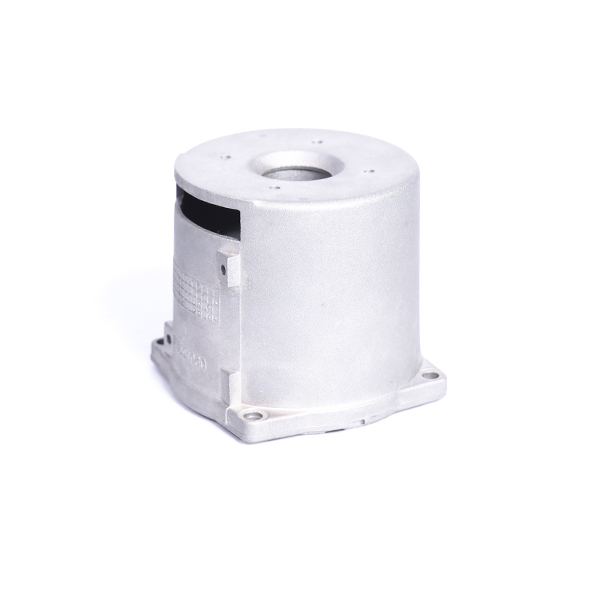
6. Melting Furnace To produce castings, it is critical to have a reliable melting furnace capable of reaching the necessary temperatures for the specific metal being used—be it aluminum, bronze, or iron. Depending on the volume of metal being processed, you can choose between induction furnaces, crucible furnaces, or electric arc furnaces.
7. Pouring Equipment This encompasses ladles and pouring cups that transport molten metal from the furnace to the mold. The pouring process must be controlled to minimize turbulence and prevent casting defects such as air pockets or misfills.
8. Cooling and Finishing Tools Once the metal is poured and has solidified, cooling processes may involve water or air cooling. Finishing tools are required for cleaning the castings, which may include grinders, sanders, and saws to achieve the desired surface finish and dimensions.
Additional Considerations
When engaging in sand casting, it is important to keep safety in mind. Personal protective equipment (PPE) such as gloves, goggles, and face shields should always be used to prevent accidents during the handling of molten metal and heavy materials.
Furthermore, proper planning and design are vital in the sand casting process. Designing the part with adequate draft angles, fillets, and avoiding sharp corners can greatly enhance the ease of removal from the mold and the overall quality of the cast part.
In conclusion, successful sand casting relies upon a comprehensive understanding of the various supplies and materials involved. From selecting the right type of sand and binders to utilizing proper molds and finishing tools, each component plays a critical role in the quality of the final product. By investing in quality materials and equipment and adhering to best practices, foundries can produce highly accurate and durable casted items for a broad range of applications. Whether you are a hobbyist or a professional, having the right sand casting supplies will enhance your casting experience and outcomes.
-
Choosing an Engine Storage Crate Cover for Material and EnvironmentNewsNov.23,2026
-
Cylinder Head Chamber Buyers: Check the Casting Specification FirstNewsNov.17,2026
-
How Impeller Casting Manufacturers Match Material, Process and EquipmentNewsNov.15,2026
-
Valve body vs. intake air chamber: Which casting fits your assembly?NewsNov.02,2026
-
Air Intake Chamber FAQ: Specifications, Ordering and Support QuestionsNewsOct.28,2026
-
Motorcycle Accessories FAQ: Specifications, Ordering and Support QuestionsNewsOct.24,2026










