English

Mobile:+86-311-8081-2683
Email:info@ydcastings.com
English
17 4 ph stainless steel casting
Exploring the Properties of 17% 204% PH Stainless Steel Casting
Stainless steel is renowned for its excellent corrosion resistance, strength, and versatility. Among the various grades of stainless steel, the 17% 204% PH (Precipitation Hardening) stainless steel casting stands out for its unique properties and applications. This article delves into the composition, characteristics, manufacturing processes, and applications of this specific stainless steel alloy.
Composition and Basic Properties
The number 17% 204% PH refers to the specific composition of the alloy—17% chromium, supplemented with approximately 4% nickel, along with the necessary elements that contribute to its precipitation hardening ability. This combination enhances the steel's overall mechanical properties, making it one of the stronger stainless steel grades available.
The presence of chromium provides corrosion resistance that is crucial in many environments, especially those subject to oxidation. Nickel enhances this resistance and improves the material's toughness. The precipitation hardening process is key to increasing the steel's strength without compromising its ductility, which is essential for various engineering applications.
Precipitation Hardening Process
Precipitation hardening is a heat treatment process that involves heating the alloy to a particular temperature, allowing soluble elements to dissolve. This is usually followed by a quenching process that traps these elements in a supersaturated solution. The final step involves aging the material to encourage the precipitation of fine particles that reinforce the steel structure. As a result, the yield strength and tensile strength of the stainless steel increase significantly.
This process makes 17% 204% PH stainless steel suitable for applications that require high strength and toughness, along with good corrosion resistance. It can withstand harsh environments without deforming or corroding easily, making it ideal for both structural and aesthetic applications.
Casting Process
Casting 17% 204% PH stainless steel involves several steps. Initially, the raw materials are melted in an electric arc furnace or induction furnace, reaching suitable temperatures that allow for complete melting. Subsequently, the molten metal is poured into molds, where it cools and solidifies into the desired shapes.
17 4 ph stainless steel casting
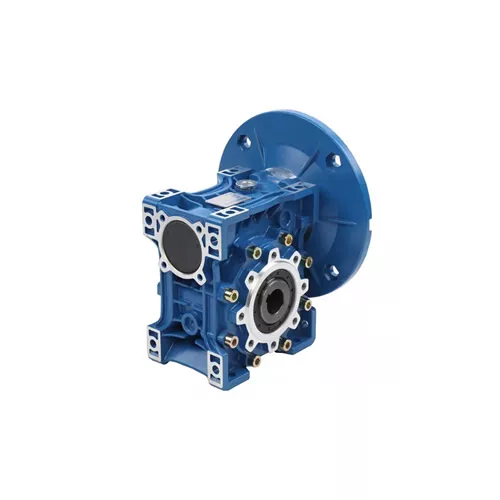
The choice of casting method—such as sand casting, investment casting, or die casting—depends on the intended application, required precision, and complexity of the design. After cooling, the castings must undergo various secondary processes, such as machining, heat treatment, and surface finishing, to achieve the final desired properties and dimensions.
Applications in Industry
The unique properties of 17% 204% PH stainless steel casting make it highly sought after in various industries. Some of the most common applications include
1. Aerospace Components subjected to extreme temperatures and pressures benefit from this stainless steel's strength and corrosion resistance.
2. Chemical Processing It is often utilized in equipment and piping systems where corrosive substances are handled, as the steel can withstand aggressive chemicals.
3. Oil and Gas The durability of 17% 204% PH stainless steel makes it suitable for valves, fittings, and other components used in off-shore and onshore extraction processes.
4. Medical Equipment The sterilizability and strength of this alloy make it ideal for surgical instruments and implants.
5. Food Processing Its corrosion resistance ensures that the material remains safe and reliable for various food handling processes.
Conclusion
In summary, 17% 204% PH stainless steel casting is a remarkable material that combines high strength, excellent corrosion resistance, and good weldability. Its unique properties are a result of its specific alloy composition and the precipitation hardening process. Given its wide range of industrial applications—from aerospace to food processing—this stainless steel grade continues to play an essential role in modern manufacturing and engineering. As industries evolve and demand for stronger and more durable materials increases, the significance of 17% 204% PH stainless steel casting is set to grow, solidifying its place in the material science domain.
-
Choosing an Engine Storage Crate Cover for Material and EnvironmentNewsNov.23,2026
-
Cylinder Head Chamber Buyers: Check the Casting Specification FirstNewsNov.17,2026
-
How Impeller Casting Manufacturers Match Material, Process and EquipmentNewsNov.15,2026
-
Valve body vs. intake air chamber: Which casting fits your assembly?NewsNov.02,2026
-
Air Intake Chamber FAQ: Specifications, Ordering and Support QuestionsNewsOct.28,2026
-
Motorcycle Accessories FAQ: Specifications, Ordering and Support QuestionsNewsOct.24,2026










