English

Mobile:+86-311-8081-2683
Email:info@ydcastings.com
English
Feb . 04, 2025 02:21
Back to list
water motor impeller price
Navigating the purchase of water motor impellers can often be a challenge due to the breadth of manufacturers, models, and materials available. Accurately gauging the price of an impeller involves more than merely seeking the lowest cost; it requires a thorough understanding of how various factors influence pricing and performance. This guide aims to offer in-depth insights into what determines the cost of water motor impellers and how to ensure you receive optimal value for your investment.
Additionally, advancements in design and technology frequently result in variable pricing dynamics. Modern impellers often incorporate innovative aerodynamic designs that maximize efficiency and minimize noise and energy consumption. While these technologically advanced impellers may be priced at a premium, the cost savings in energy efficiency and improved performance can offer significant returns on investment over time. Before finalizing a purchase, evaluating if these enhanced features align with your performance demands can achieve an optimum cost-benefit ratio. When it comes to the actual purchasing process, external economic factors and regional variances also play a part in impeller pricing. Factors such as tariffs, shipping costs, and regional demand directly influence how prices can fluctuate geographically. For instance, in areas where industrial water usage is prevalent, you may notice a variance in both availability and pricing due to increased demand. Considering the logistical expenses associated with your purchase location could impact the total cost significantly and should be factored into your purchasing decision. Moreover, establishing strategic supplier agreements can result in more favorable pricing. Building long-term relationships with suppliers often open avenues for discounts, special pricing on bulk purchases, and priority shipping options. Engaging in regular negotiations and reaffirming your relationship with suppliers can position you advantageously, ensuring that you attain highly competitive pricing without compromising on quality. In conclusion, understanding the cost of a water motor impeller requires a multifaceted approach that considers material, size, brand, technology, and economic variables. Making informed choices based on these factors rather than just price alone can significantly mitigate risks associated with performance inefficiencies and long-term costs. Moreover, leveraging established supplier relationships and cautiously navigating technological advancements positions you to optimize every dollar spent. Wise investments in high-quality impellers not only ensure better functionality and efficiency for your system but echo positively on your operational bottom line in the longer run. Prioritizing quality and performance within your budget fosters a purchasing strategy that thrives on reliability and efficiency.

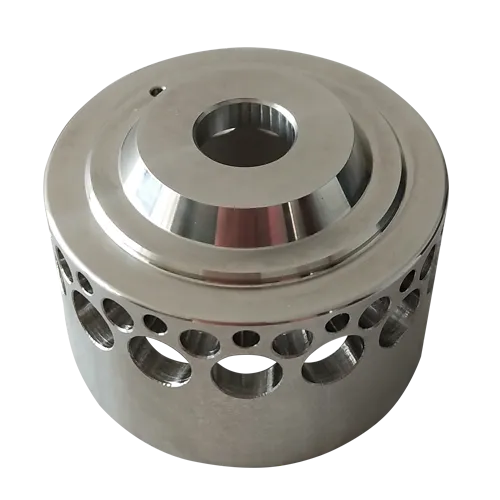
Additionally, advancements in design and technology frequently result in variable pricing dynamics. Modern impellers often incorporate innovative aerodynamic designs that maximize efficiency and minimize noise and energy consumption. While these technologically advanced impellers may be priced at a premium, the cost savings in energy efficiency and improved performance can offer significant returns on investment over time. Before finalizing a purchase, evaluating if these enhanced features align with your performance demands can achieve an optimum cost-benefit ratio. When it comes to the actual purchasing process, external economic factors and regional variances also play a part in impeller pricing. Factors such as tariffs, shipping costs, and regional demand directly influence how prices can fluctuate geographically. For instance, in areas where industrial water usage is prevalent, you may notice a variance in both availability and pricing due to increased demand. Considering the logistical expenses associated with your purchase location could impact the total cost significantly and should be factored into your purchasing decision. Moreover, establishing strategic supplier agreements can result in more favorable pricing. Building long-term relationships with suppliers often open avenues for discounts, special pricing on bulk purchases, and priority shipping options. Engaging in regular negotiations and reaffirming your relationship with suppliers can position you advantageously, ensuring that you attain highly competitive pricing without compromising on quality. In conclusion, understanding the cost of a water motor impeller requires a multifaceted approach that considers material, size, brand, technology, and economic variables. Making informed choices based on these factors rather than just price alone can significantly mitigate risks associated with performance inefficiencies and long-term costs. Moreover, leveraging established supplier relationships and cautiously navigating technological advancements positions you to optimize every dollar spent. Wise investments in high-quality impellers not only ensure better functionality and efficiency for your system but echo positively on your operational bottom line in the longer run. Prioritizing quality and performance within your budget fosters a purchasing strategy that thrives on reliability and efficiency.
Next:
Latest news
-
Choosing an Engine Storage Crate Cover for Material and EnvironmentNewsNov.23,2026
-
Cylinder Head Chamber Buyers: Check the Casting Specification FirstNewsNov.17,2026
-
How Impeller Casting Manufacturers Match Material, Process and EquipmentNewsNov.15,2026
-
Valve body vs. intake air chamber: Which casting fits your assembly?NewsNov.02,2026
-
Air Intake Chamber FAQ: Specifications, Ordering and Support QuestionsNewsOct.28,2026
-
Motorcycle Accessories FAQ: Specifications, Ordering and Support QuestionsNewsOct.24,2026
Related PRODUCTS









