English

Mobile:+86-311-8081-2683
Email:info@ydcastings.com
English
Feb . 04, 2025 01:57
Back to list
turbine type impeller
Turbine type impellers are a core component in various industrial applications, serving as the powerhouse for equipment that demands efficient fluid dynamics and mechanical performances. Understanding their intricate design and functionality provides valuable insights into their role in enhancing productivity and optimizing systems across different sectors.
The expertise involved in designing and selecting the appropriate turbine type impeller cannot be understated. It requires a deep understanding of fluid dynamics, material science, and mechanical engineering. Professionals in this field must consider factors such as impeller diameter, blade angle, and rotational speed to match the specific requirements of each application. The choice of materials, often stainless steel or specialized composites, must withstand corrosive environments and high wear and tear, ensuring longevity and reliability. Consulting with engineers specialized in impeller technology ensures that systems are not only efficient but also meet safety and regulatory standards. Authoritative sources, such as academic publications and industry standards, often highlight the advantages and performance metrics of turbine type impellers. For instance, engineering journals may showcase detailed case studies on how these impellers contribute to energy efficiency and system optimization. Such literature provides a comprehensive understanding and acts as a valuable resource for professionals seeking to leverage the benefits of turbine type impellers in their operations. Trustworthiness in the context of turbine type impellers revolves around both the reliability of the product and the credibility of the manufacturers. Established manufacturers invest in rigorous testing and quality assurance processes, often aligning with international standards like ISO 9001, to ensure their products deliver consistent performance. Furthermore, companies that offer extensive documentation, customer support, and after-sales services build trust, providing clients with the assurance of high-quality products tailored to their specific needs. In conclusion, turbine type impellers are a cornerstone in optimizing fluid dynamics across various industries. Their advanced design results in superior performance, energy efficiency, and adaptability, making them an indispensable component in modern industrial applications. By understanding their function and leveraging expertise, businesses can significantly enhance operational efficiency, reduce costs, and ensure sustainable practices. Moreover, working with reputable suppliers further guarantees high-quality implementations, reinforcing the reliability and effectiveness of turbine type impellers in challenging environments.
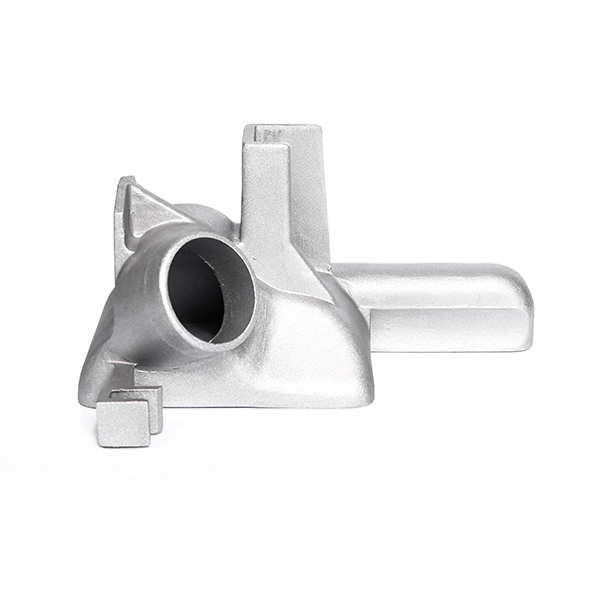
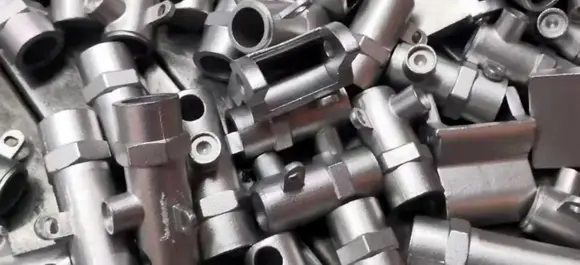
The expertise involved in designing and selecting the appropriate turbine type impeller cannot be understated. It requires a deep understanding of fluid dynamics, material science, and mechanical engineering. Professionals in this field must consider factors such as impeller diameter, blade angle, and rotational speed to match the specific requirements of each application. The choice of materials, often stainless steel or specialized composites, must withstand corrosive environments and high wear and tear, ensuring longevity and reliability. Consulting with engineers specialized in impeller technology ensures that systems are not only efficient but also meet safety and regulatory standards. Authoritative sources, such as academic publications and industry standards, often highlight the advantages and performance metrics of turbine type impellers. For instance, engineering journals may showcase detailed case studies on how these impellers contribute to energy efficiency and system optimization. Such literature provides a comprehensive understanding and acts as a valuable resource for professionals seeking to leverage the benefits of turbine type impellers in their operations. Trustworthiness in the context of turbine type impellers revolves around both the reliability of the product and the credibility of the manufacturers. Established manufacturers invest in rigorous testing and quality assurance processes, often aligning with international standards like ISO 9001, to ensure their products deliver consistent performance. Furthermore, companies that offer extensive documentation, customer support, and after-sales services build trust, providing clients with the assurance of high-quality products tailored to their specific needs. In conclusion, turbine type impellers are a cornerstone in optimizing fluid dynamics across various industries. Their advanced design results in superior performance, energy efficiency, and adaptability, making them an indispensable component in modern industrial applications. By understanding their function and leveraging expertise, businesses can significantly enhance operational efficiency, reduce costs, and ensure sustainable practices. Moreover, working with reputable suppliers further guarantees high-quality implementations, reinforcing the reliability and effectiveness of turbine type impellers in challenging environments.
Next:
Latest news
-
Choosing an Engine Storage Crate Cover for Material and EnvironmentNewsNov.23,2026
-
Cylinder Head Chamber Buyers: Check the Casting Specification FirstNewsNov.17,2026
-
How Impeller Casting Manufacturers Match Material, Process and EquipmentNewsNov.15,2026
-
Valve body vs. intake air chamber: Which casting fits your assembly?NewsNov.02,2026
-
Air Intake Chamber FAQ: Specifications, Ordering and Support QuestionsNewsOct.28,2026
-
Motorcycle Accessories FAQ: Specifications, Ordering and Support QuestionsNewsOct.24,2026
Related PRODUCTS










