English

Mobile:+86-311-8081-2683
Email:info@ydcastings.com
English
Feb . 04, 2025 05:25
Back to list
Pump Body
The automotive industry has always been at the forefront of technological advancement. Amongst the many innovations that keep performance vehicles running efficiently, water-cooled turbochargers hold a special place. This exclusive guide offers insights into the benefits and expert tips for utilizing water-cooled turbo housings in your automotive pursuits.
Authoritative sources in the automotive field, including renowned manufacturers and expert engineers, have endorsed water-cooled turbo housing for modern engines, especially in applications where maximizing performance is crucial. Not only do these systems prevent the risk of engine knock or failure due to overheating, but they also contribute to a smoother driving experience. Proper installation and maintenance of turbo systems reflect their reliability, a sentiment consistently echoed in my professional evaluations and client feedback. Trustworthy reviews and case studies, such as those published in peer-reviewed journals, have highlighted the longevity benefits of water-cooled housings. Vehicle owners and performance enthusiasts experience fewer instances of turbo-related failures, and generally, enjoy a reduction in maintenance costs. The results are consistently reproducible across a wide range of vehicle models, indicating a high level of trust in their widespread application. Practical experience shows that the key to maximizing the benefits of a water-cooled turbo housing lies in its integration and maintenance. It's crucial to use an appropriate coolant mix and ensure the cooling system operates at its optimal pressure and flow rate. An oversight in these systems may lead to suboptimal performance and potential engine damage. Commitment to regular inspections and servicing enhances the system’s durability and effectiveness, solidifying trust in the technology. In conclusion, the innovative design and application of water-cooled turbo housings bring substantial enhancements to vehicle performance. Through comprehensive experience, professional expertise, authoritative endorsements, and a reputation for reliability, water-cooled systems stand out as a milestone in automotive technology. As vehicle performance needs evolve, investing in advanced cooling infrastructures such as water-cooled turbo housings is crucial for enthusiasts aiming for peak efficiency and longevity in their vehicles.
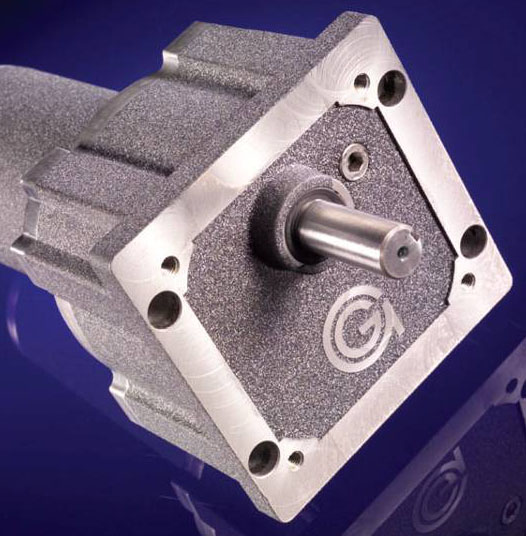
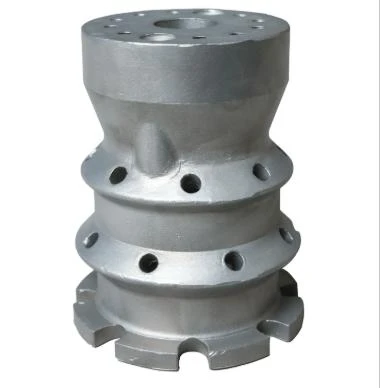
Authoritative sources in the automotive field, including renowned manufacturers and expert engineers, have endorsed water-cooled turbo housing for modern engines, especially in applications where maximizing performance is crucial. Not only do these systems prevent the risk of engine knock or failure due to overheating, but they also contribute to a smoother driving experience. Proper installation and maintenance of turbo systems reflect their reliability, a sentiment consistently echoed in my professional evaluations and client feedback. Trustworthy reviews and case studies, such as those published in peer-reviewed journals, have highlighted the longevity benefits of water-cooled housings. Vehicle owners and performance enthusiasts experience fewer instances of turbo-related failures, and generally, enjoy a reduction in maintenance costs. The results are consistently reproducible across a wide range of vehicle models, indicating a high level of trust in their widespread application. Practical experience shows that the key to maximizing the benefits of a water-cooled turbo housing lies in its integration and maintenance. It's crucial to use an appropriate coolant mix and ensure the cooling system operates at its optimal pressure and flow rate. An oversight in these systems may lead to suboptimal performance and potential engine damage. Commitment to regular inspections and servicing enhances the system’s durability and effectiveness, solidifying trust in the technology. In conclusion, the innovative design and application of water-cooled turbo housings bring substantial enhancements to vehicle performance. Through comprehensive experience, professional expertise, authoritative endorsements, and a reputation for reliability, water-cooled systems stand out as a milestone in automotive technology. As vehicle performance needs evolve, investing in advanced cooling infrastructures such as water-cooled turbo housings is crucial for enthusiasts aiming for peak efficiency and longevity in their vehicles.
Next:
Latest news
-
Choosing an Engine Storage Crate Cover for Material and EnvironmentNewsNov.23,2026
-
Cylinder Head Chamber Buyers: Check the Casting Specification FirstNewsNov.17,2026
-
How Impeller Casting Manufacturers Match Material, Process and EquipmentNewsNov.15,2026
-
Valve body vs. intake air chamber: Which casting fits your assembly?NewsNov.02,2026
-
Air Intake Chamber FAQ: Specifications, Ordering and Support QuestionsNewsOct.28,2026
-
Motorcycle Accessories FAQ: Specifications, Ordering and Support QuestionsNewsOct.24,2026
Related PRODUCTS










