English

Mobile:+86-311-8081-2683
Email:info@ydcastings.com
English
Feb . 04, 2025 05:01
Back to list
Automobile water pump
Navigating the intricacies of the turbocharger turbine housing is essential for automotive enthusiasts and industry professionals. The housing plays a pivotal role, not just as a mechanical component, but as a crucial factor contributing to the overall performance and efficiency of turbocharged engines.
Authoritative insights from automotive engineers underline the importance of material selection for turbine housings. Typically constructed from cast iron, these housings possess the strength required to withstand extreme temperatures, upwards of 1,000 degrees Celsius. However, advancements have seen the use of stainless steel in high-performance applications due to its superior thermal expansion properties and resistance to corrosion, though it's considerably more expensive. Trustworthiness in product performance is another critical factor for turbine housings. A reliable housing must endure the rigors of frequent thermal cycling and high-stress conditions without cracking or failing. Evaluations and certifications by industry benchmarks such as ISO and QS9000 can provide assurance of quality and durability. Choosing the right turbine housing involves careful consideration of the specific application and desired performance characteristics. Consultation with experts can provide valuable guidance. Custom tuning and testing further optimize the setup, ensuring that the turbocharger delivers both power and reliability. In conclusion, the turbocharger turbine housing is an essential element in enhancing engine performance. By understanding the strengths and characteristics of different housing types, sizes, and materials, one can make informed decisions that maximize the efficiency and power of a turbocharged engine. For anyone looking to enhance their vehicle's performance, collaborating with seasoned professionals who have a deep understanding of turbocharger dynamics is a wise investment. Top-tier performance demands top-tier components, and the right turbine housing can be a game-changer in achieving unparalleled engine performance.
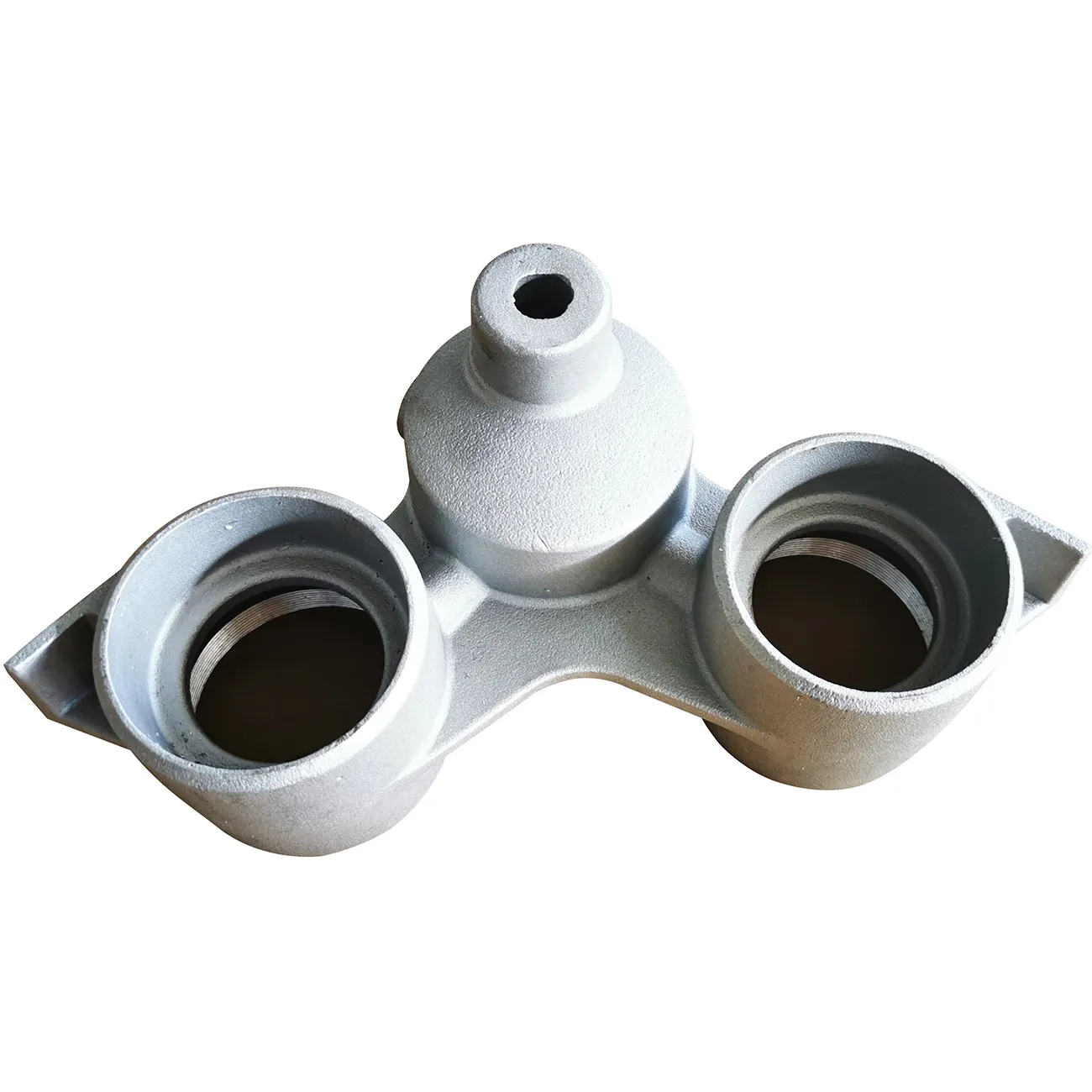
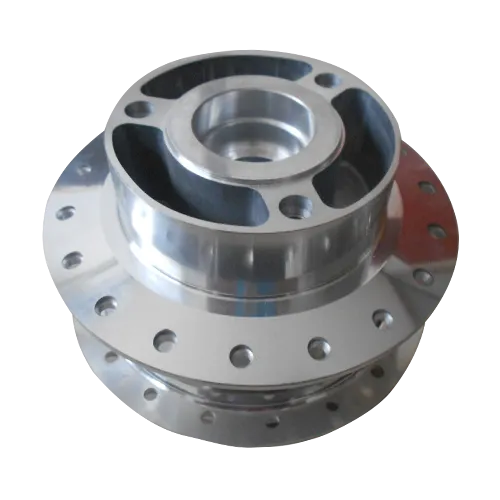
Authoritative insights from automotive engineers underline the importance of material selection for turbine housings. Typically constructed from cast iron, these housings possess the strength required to withstand extreme temperatures, upwards of 1,000 degrees Celsius. However, advancements have seen the use of stainless steel in high-performance applications due to its superior thermal expansion properties and resistance to corrosion, though it's considerably more expensive. Trustworthiness in product performance is another critical factor for turbine housings. A reliable housing must endure the rigors of frequent thermal cycling and high-stress conditions without cracking or failing. Evaluations and certifications by industry benchmarks such as ISO and QS9000 can provide assurance of quality and durability. Choosing the right turbine housing involves careful consideration of the specific application and desired performance characteristics. Consultation with experts can provide valuable guidance. Custom tuning and testing further optimize the setup, ensuring that the turbocharger delivers both power and reliability. In conclusion, the turbocharger turbine housing is an essential element in enhancing engine performance. By understanding the strengths and characteristics of different housing types, sizes, and materials, one can make informed decisions that maximize the efficiency and power of a turbocharged engine. For anyone looking to enhance their vehicle's performance, collaborating with seasoned professionals who have a deep understanding of turbocharger dynamics is a wise investment. Top-tier performance demands top-tier components, and the right turbine housing can be a game-changer in achieving unparalleled engine performance.
Next:
Latest news
-
Choosing an Engine Storage Crate Cover for Material and EnvironmentNewsNov.23,2026
-
Cylinder Head Chamber Buyers: Check the Casting Specification FirstNewsNov.17,2026
-
How Impeller Casting Manufacturers Match Material, Process and EquipmentNewsNov.15,2026
-
Valve body vs. intake air chamber: Which casting fits your assembly?NewsNov.02,2026
-
Air Intake Chamber FAQ: Specifications, Ordering and Support QuestionsNewsOct.28,2026
-
Motorcycle Accessories FAQ: Specifications, Ordering and Support QuestionsNewsOct.24,2026
Related PRODUCTS










