Mobile:+86-311-808-126-83
Email:info@ydcastings.com

Valve Body Castings Manufacturing Process
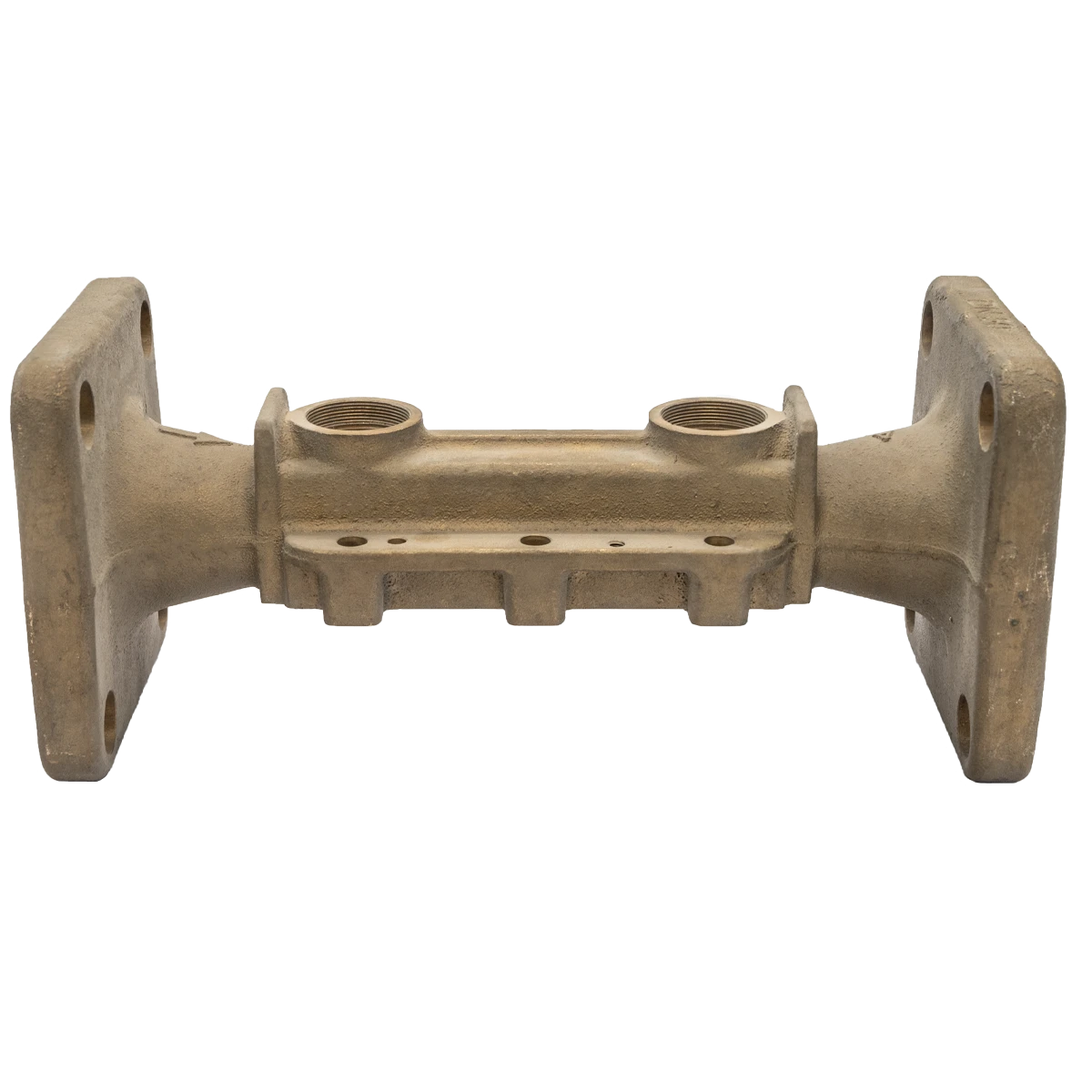
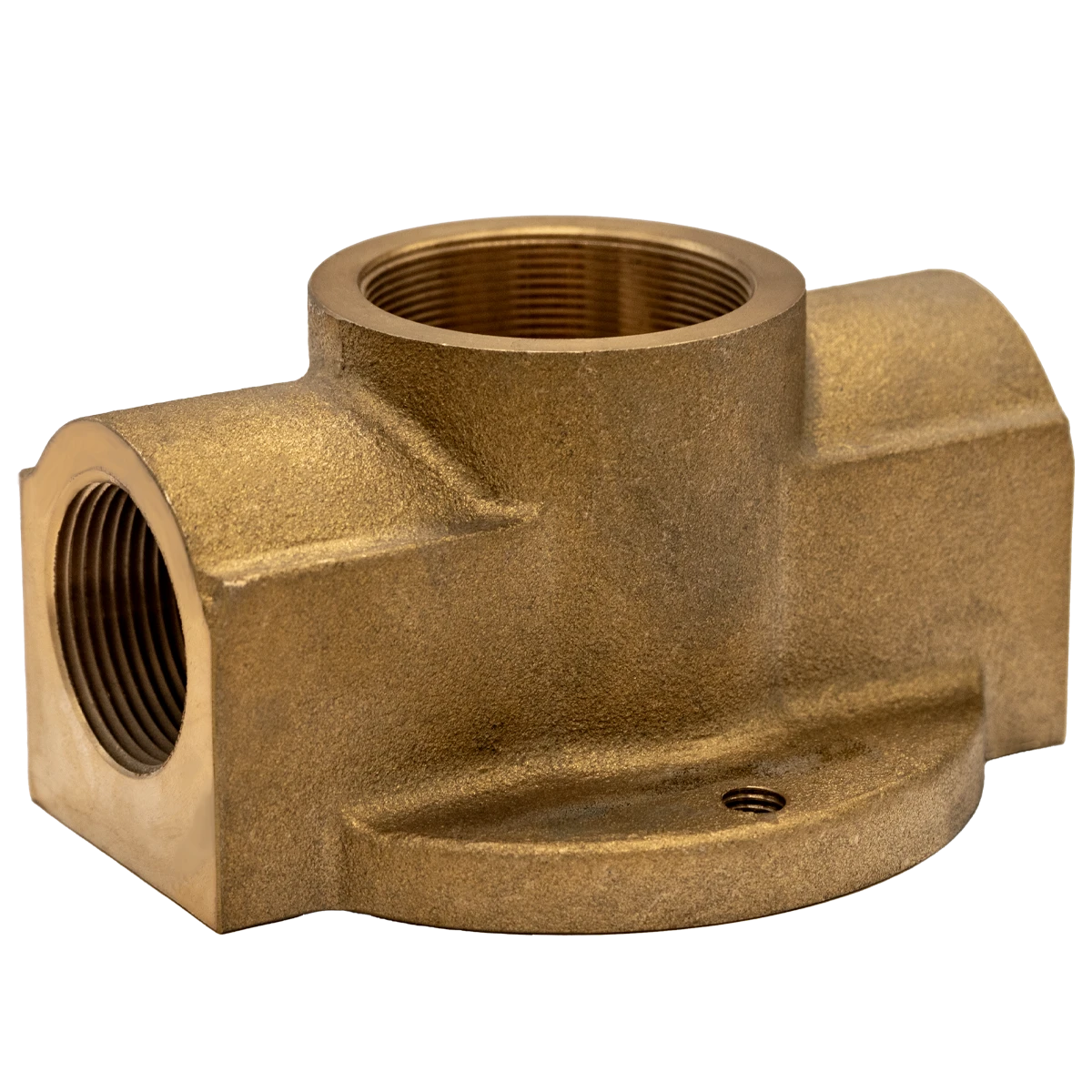
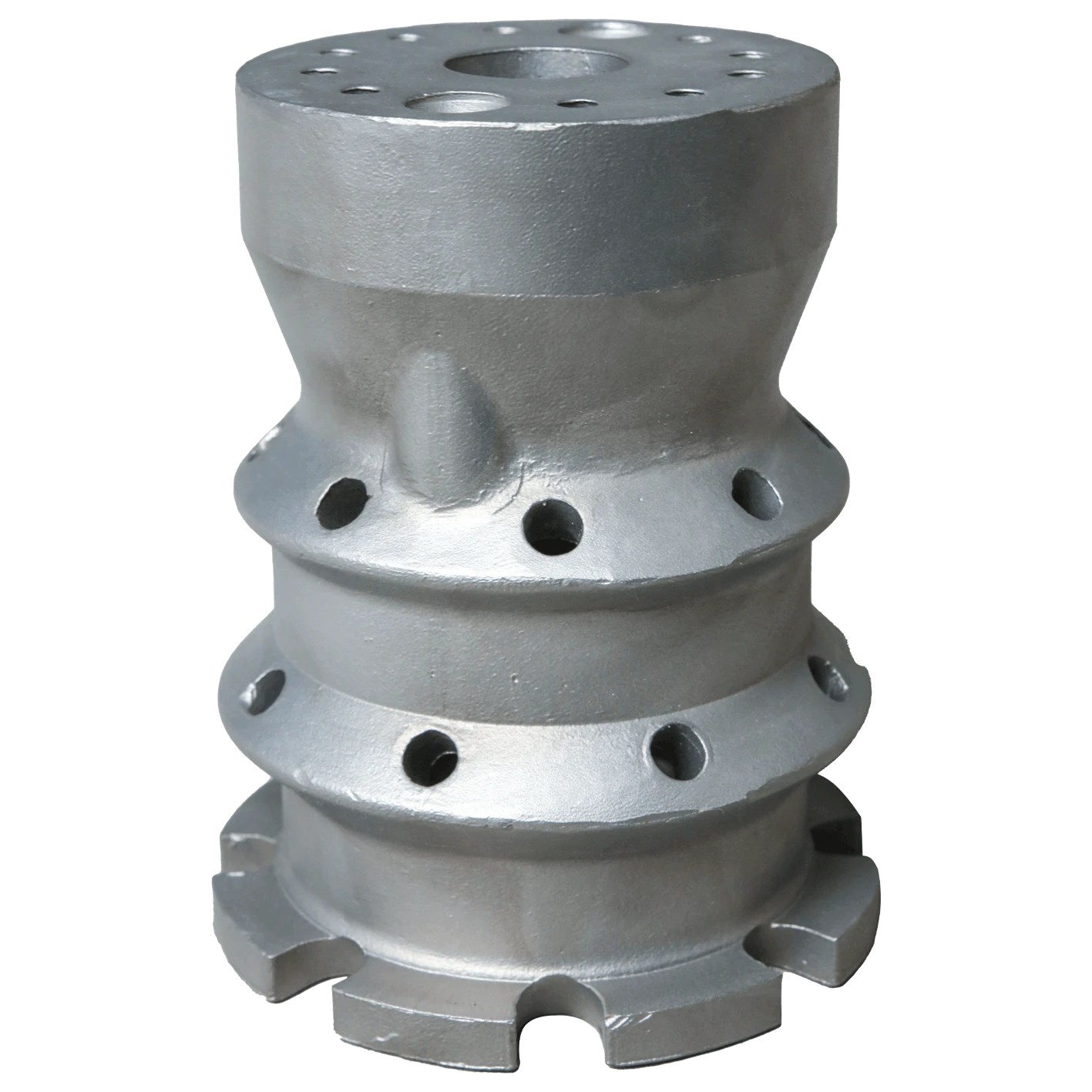
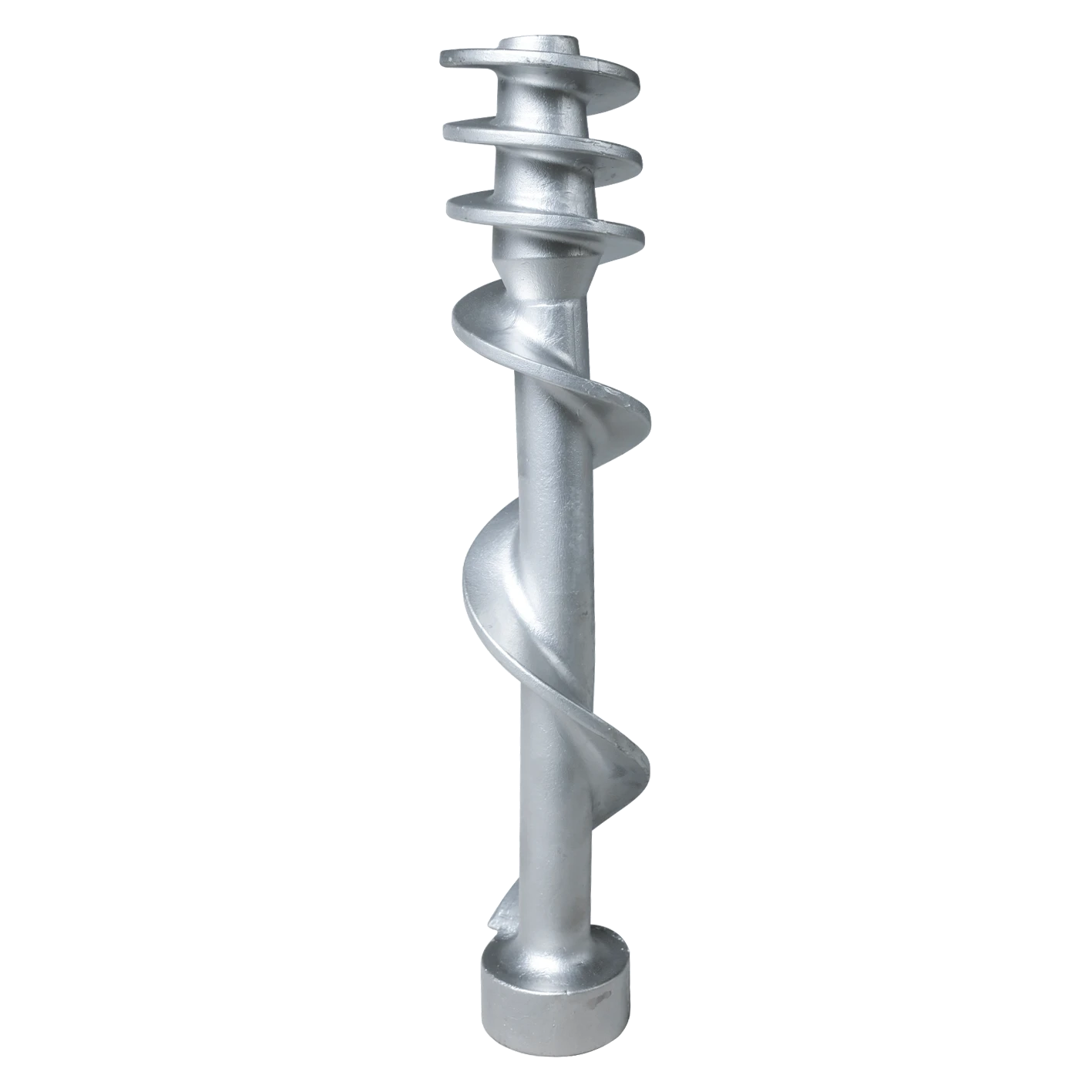
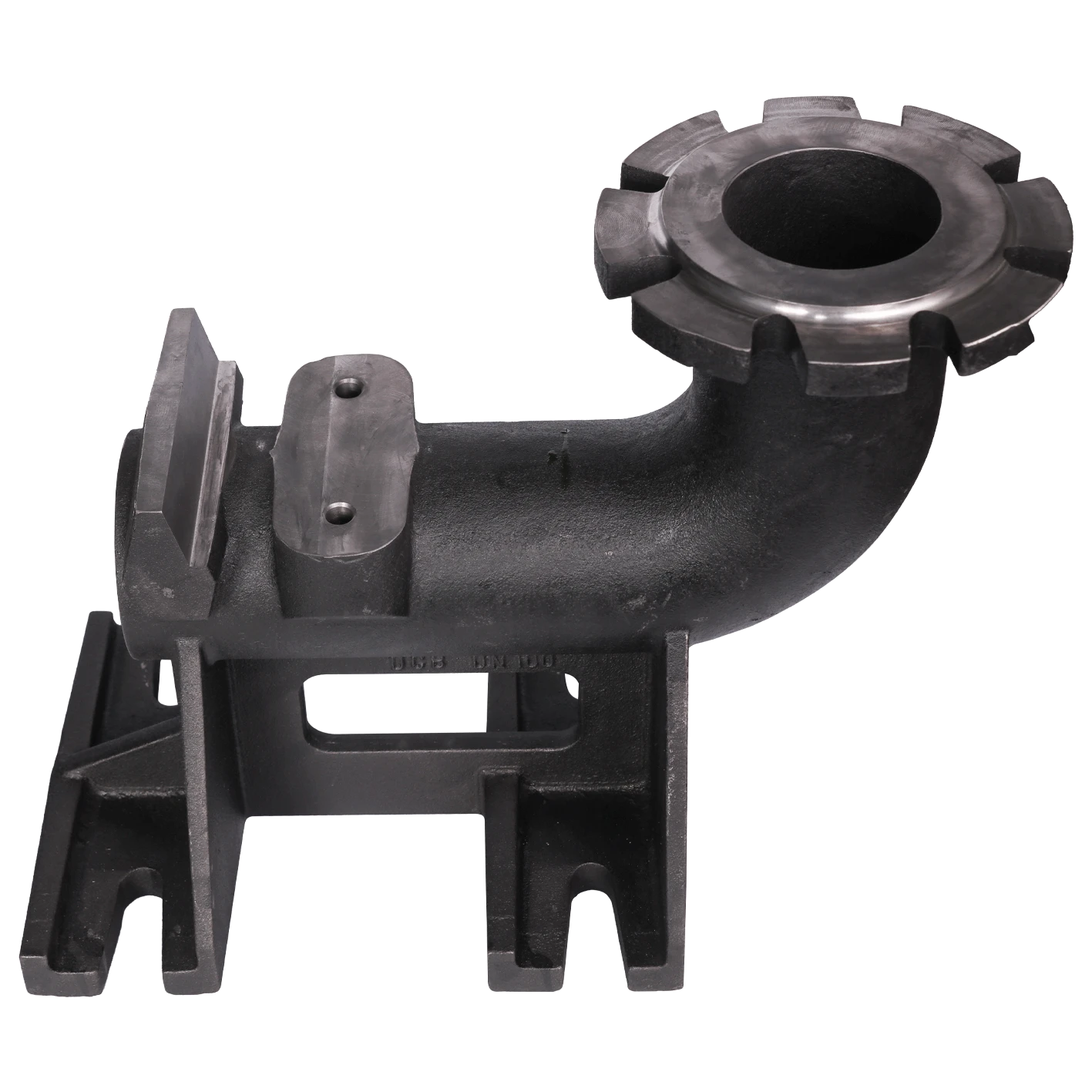
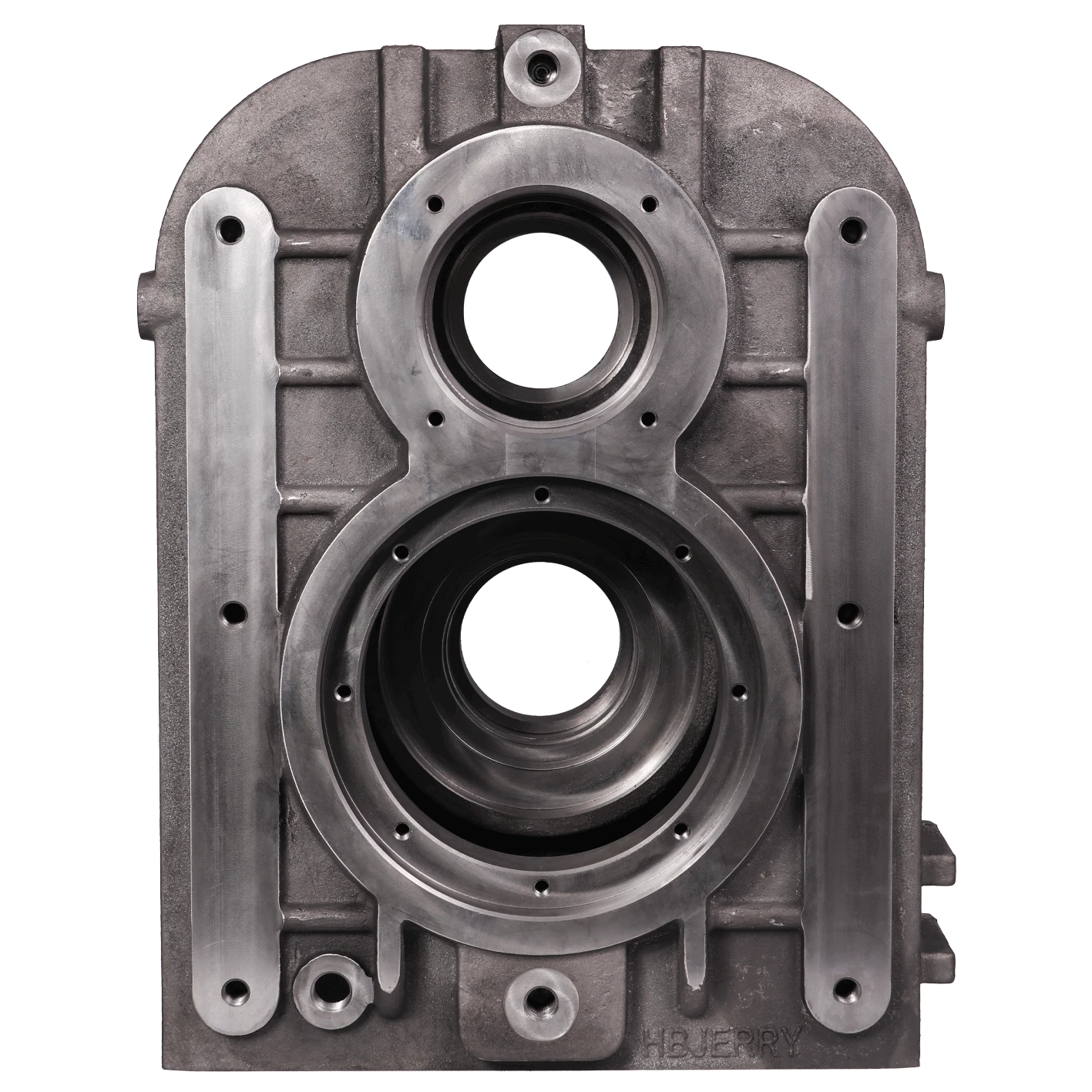
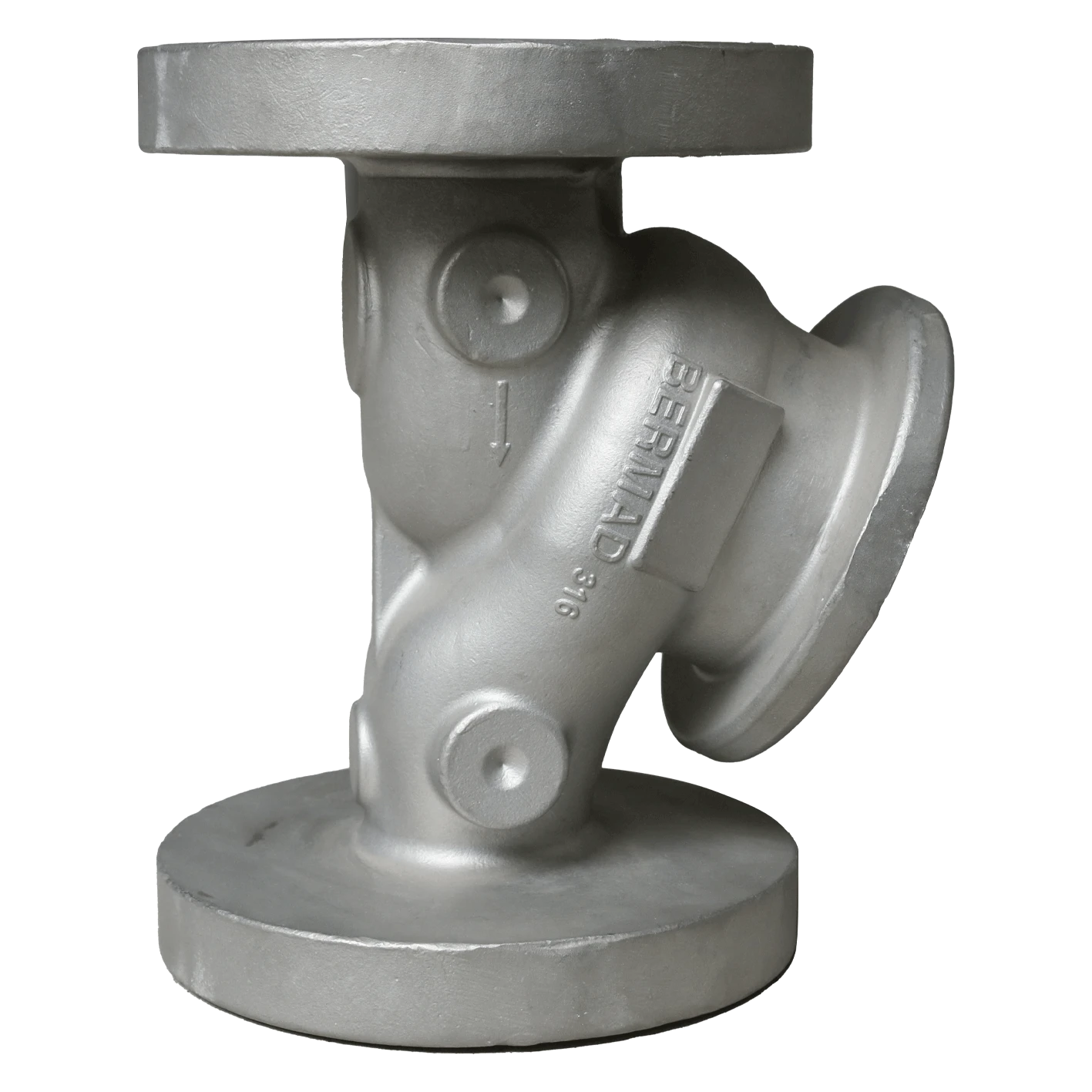
In the agricultural machinery industry, valve body, valve body castings, and valve castings are core components for controlling fluid flow in equipment such as irrigation systems, tractor hydraulic circuits, and fertilizer spreaders. The precision manufacturing of valve body castings—paired with scientific stamping processes, strict quality control, and durable materials—directly impacts wholesalers’ ability to meet clients’ needs (e.g., ensuring leak-proof performance in agricultural hydraulics, maintaining dimensional accuracy for assembly, extending equipment service life). Hebei Yuanda Trade Co., Ltd. specializes in agricultural machinery-specific valve castings, integrating advanced casting and stamping technologies to deliver high-reliability products.
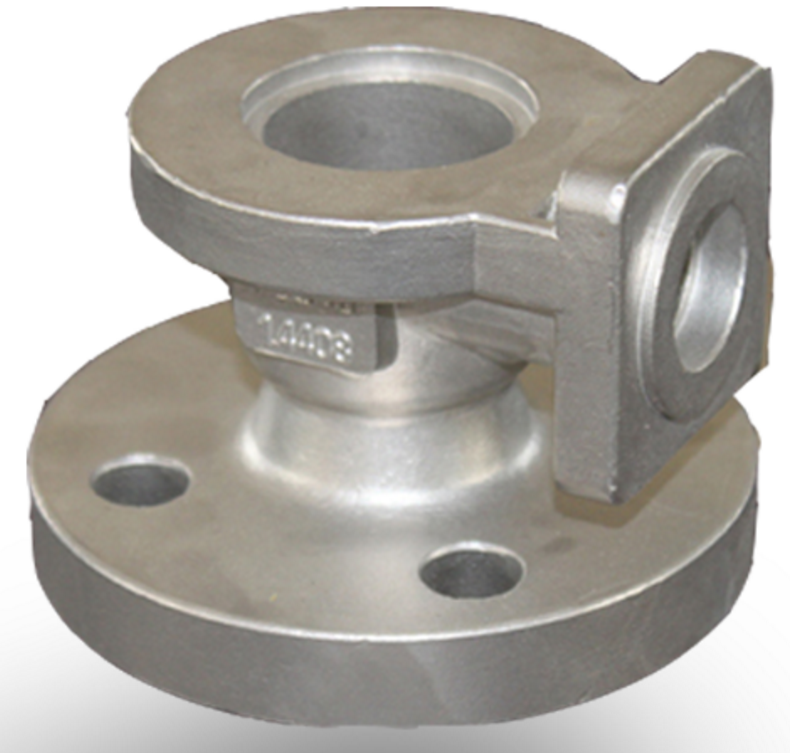
Hebei Yuanda Trade Co., Ltd. Valve Castings Technical Details Table
|
Item |
Details |
|
Product Name |
Valve body, valve body castings, valve castings (agricultural machinery-specific) |
|
Core Application |
Fluid flow control in irrigation systems, tractor hydraulics, fertilizer spreaders, grain harvester fluid circuits |
|
Manufacturing Processes |
1. Precision casting (base shape forming); 2. Stamping (metal sheet processing for structural parts); 3. Finishing (dimension calibration, surface treatment) |
|
Stamping Key Points |
1. Select appropriate molds for accurate processing dimensions; 2. Arrange reasonable punching sequence to avoid process interference; 3. Maintain molds and metal sheets during processing |
|
Processing Precautions |
1. Choose suitable tools and materials; 2. Strictly control processing size and surface accuracy; 3. Ensure operational safety; 4. Maintain equipment and tools to extend service life |
|
Materials |
Stainless steel (primary), ductile cast iron, aluminum alloy (selected based on agricultural machinery working conditions: corrosion resistance, pressure-bearing capacity, cost-effectiveness) |
|
Product Advantages |
1. Leak-proof and pressure-resistant for agricultural fluid systems; 2. High dimensional accuracy (tolerance ≤±0.02mm) for easy assembly; 3. Corrosion-resistant to farm chemicals and humid environments; 4. Customizable for diverse agricultural equipment models |
|
Service Support |
Hebei Yuanda Trade Co., Ltd. provides manufacturing process documentation, quality inspection reports, and technical consultation for wholesalers and agricultural machinery clients |
Casting Process of Valve Body Castings for Agricultural Machinery
- Valve body castings start with material selection and mold design: Hebei Yuanda Trade Co., Ltd. selects stainless steel as the primary material for agricultural valve body castings due to its corrosion resistance to irrigation water and fertilizer chemicals. For high-pressure tractor hydraulic valves, ductile cast iron is adopted to enhance pressure-bearing capacity (up to 20MPa). Mold design is tailored to agricultural machinery assembly requirements—using 3D modeling to ensure cavity accuracy, with draft angles optimized for easy demolding without damaging casting surfaces. The mold material is heat-treated alloy steel to withstand repeated casting cycles (≥10,000 times), ensuring consistent product dimensions. Wholesalers can emphasize this material-mold matching to clients, as it lays the foundation for reliable performance.
- Valve body castings casting process focuses on molten metal control: the selected material is melted in an electric arc furnace (stainless steel melting temperature 1500–1550℃) with strict composition monitoring—adding chromium and nickel to enhance corrosion resistance. The molten metal is degassed to remove impurities (oxygen content ≤0.003%) and poured into molds via gravity casting (for small-batch agricultural valves) or die casting (for mass-produced irrigation valve bodies). Casting temperature is controlled at 1450–1500℃ to ensure full mold filling, while cooling rate is adjusted (5–10℃/min) to prevent internal shrinkage or cracks. After demolding, castings are subjected to sandblasting to remove surface residues, preparing for subsequent stamping processing.
- Valve body castings post-casting heat treatment optimizes mechanical properties: agricultural valve body castings undergo annealing treatment (temperature 850–900℃, holding time 2–3 hours) to eliminate internal stress caused by uneven cooling. For stainless steel castings, solution treatment (1050–1100℃) is added to improve corrosion resistance and toughness—ensuring the valve body can withstand vibration during tractor operation and frequent switching in irrigation systems. Hebei Yuanda Trade Co., Ltd. conducts hardness testing (HV ≥200 for stainless steel valves) and tensile strength checks (≥500MPa) after heat treatment, rejecting castings with unqualified mechanical properties. This strict quality control reduces client product failure rates by 35%.
- Valve body castings preliminary finishing ensures dimensional accuracy: after heat treatment, valve body castings are processed with CNC lathes to refine key surfaces (e.g., valve seat sealing face, bolt connection holes) with dimensional tolerance controlled at ≤±0.02mm. The sealing face is ground to a surface roughness of Ra ≤0.8μm to prevent fluid leakage, while bolt holes are tapped with precision tools to match agricultural machinery assembly standards. Hebei Yuanda Trade Co., Ltd. uses coordinate measuring machines (CMM) for 100% inspection of critical dimensions, ensuring each valve body meets assembly requirements. Wholesalers can highlight this precision to clients producing assembled agricultural machinery.
Stamping Process of Valve Castings Structural Parts
- Valve castings stamping process begins with metal sheet preparation: Hebei Yuanda Trade Co., Ltd. selects stainless steel sheets of appropriate thickness (1.5–3mm) for valve castings structural parts (e.g., valve covers, pressure plates) based on agricultural machinery load requirements. The sheets are cut into blanks using shearing machines, with blank size 5–10mm larger than the final product to accommodate stamping deformation. Before stamping, the sheets are cleaned to remove oil and rust—ensuring smooth contact with molds and preventing surface defects. This preparation step is critical for stamping quality, as contaminated sheets can cause mold damage and product blemishes.
- Valve castings stamping follows scientific mold selection and punching sequence: according to the structural complexity of valve castings parts, Hebei Yuanda Trade Co., Ltd. designs customized stamping molds—using progressive dies for mass-produced parts (e.g., irrigation valve covers) to improve efficiency. The punching sequence is arranged logically: first punching positioning holes, then cutting edges, and finally forming the desired shape—avoiding interference between processes that could affect product dimensions. For example, when stamping a valve pressure plate, positioning holes are punched first to ensure subsequent forming accuracy, with each stamping step controlled by a hydraulic press (pressure 50–100 tons) for uniform force application.
- Valve castings stamping process emphasizes mold and sheet maintenance: during continuous stamping (production capacity 500–1000 pieces/hour), Hebei Yuanda Trade Co., Ltd. regularly inspects molds for wear—replacing damaged punch heads or die cavities to prevent dimensional deviations. The stainless steel sheets are lubricated with anti-rust oil during stamping to reduce friction, protecting both the mold and the sheet surface. After stamping, parts are cleaned to remove lubricant and metal shavings, with surface defects (e.g., scratches, dents) repaired manually. This maintenance ensures stamping quality stability, with qualified rate ≥99%.
- Valve castings stamping parts undergo post-processing integration: the stamped structural parts are welded or bolted to the cast valve body—with welding seams inspected via ultrasonic testing to ensure no cracks or porosity. Hebei Yuanda Trade Co., Ltd. uses argon arc welding for stainless steel parts to avoid corrosion caused by welding defects, ensuring the valve castings can withstand long-term exposure to agricultural chemicals and humid environments. After assembly, the entire valve is subjected to pressure testing (1.5 times the working pressure) to verify leak-proof performance, with test data recorded in quality reports provided to wholesalers.
Valve Body Castings FAQS
What key steps are included in the casting process of valve body castings for agricultural machinery?
The casting process of valve body castings includes four key steps: 1. Material selection (stainless steel/ductile cast iron based on application) and mold design (3D modeling for accuracy); 2. Molten metal melting (1500–1550℃) and degassing, followed by gravity/die casting; 3. Post-casting heat treatment (annealing/solution treatment) to eliminate stress; 4. Preliminary finishing and sandblasting. Hebei Yuanda Trade Co., Ltd. controls each step strictly—e.g., oxygen content ≤0.003% in molten metal—to ensure valve body castings meet agricultural machinery’s corrosion and pressure requirements.
How does the stamping process ensure the quality of valve castings structural parts?
The stamping process for valve castings structural parts ensures quality through: 1. Custom mold selection for accurate dimensions; 2. Logical punching sequence (positioning holes first, then forming) to avoid process interference; 3. Regular mold and sheet maintenance (lubrication, wear inspection); 4. Post-stamping cleaning and defect repair. Hebei Yuanda Trade Co., Ltd.’s stamping process achieves ≥99% qualified rate, with structural parts matching perfectly with cast valve body for reliable assembly in agricultural equipment.
What processing precautions are critical for valve body to adapt to agricultural environments?
Critical processing precautions for valve body include: 1. Material selection (corrosion-resistant stainless steel for humid/farm chemical environments); 2. Strict size control (key dimension tolerance ≤±0.02mm) for sealing; 3. Surface treatment (electroplating/passivation) for corrosion resistance; 4. Customization based on equipment needs (flow/pressure/connection type). Hebei Yuanda Trade Co., Ltd. implements these precautions to ensure the valve body withstands agricultural conditions, reducing failure rates.
What materials does Hebei Yuanda Trade Co., Ltd. use for valve castings, and how to choose based on agricultural applications?
Hebei Yuanda Trade Co., Ltd. uses stainless steel (primary for corrosion resistance), ductile cast iron (high-pressure applications like tractor hydraulics), and aluminum alloy (lightweight mobile equipment like irrigation booms) for valve castings. Choose stainless steel for irrigation systems (water/fertilizer corrosion), ductile cast iron for high-pressure hydraulics, and aluminum alloy for weight-sensitive equipment. Wholesalers can guide clients to select materials based on their agricultural machinery’s working pressure and environment.
How does Hebei Yuanda Trade Co., Ltd. support wholesalers in promoting valve body for agricultural machinery?
Hebei Yuanda Trade Co., Ltd. supports wholesalers by: 1. Providing detailed manufacturing process documentation and quality inspection reports for valve body, valve body castings, and valve castings; 2. Offering customized processing services to meet specific client needs; 3. Conducting technical training on product installation and maintenance; 4. Ensuring timely delivery through stable production capacity. This support helps wholesalers effectively communicate product value to agricultural machinery clients, enhancing sales conversion.
-
Precision Valve Castings for Agricultural Irrigation and Fluid Control SystemsNewsMay.08,2026
-
Precision Impeller and Compressor Components for Agricultural MachineryNewsMay.08,2026
-
Essential Cast Components for Agricultural Machinery: Oil Management and Motor ProtectionNewsMay.08,2026
-
High-Performance Cast Components for Agricultural Machinery: From Cooling to Exhaust SystemsNewsMay.08,2026
-
Agricultural Valve Castings: Durable Flow Control Solutions for Farm Irrigation SystemsNewsMay.08,2026
-
High-Performance Agricultural Pump Components: Precision Castings for Reliable Farm OperationsNewsMay.08,2026