English

Mobile:+86-311-8081-2683
Email:info@ydcastings.com
English
Comparative Analysis of Precious Metals Value Trends and Market Influences
The Value of Metals An Economic Perspective
Metals have played a pivotal role in human civilization for thousands of years. They are not just mere elements found in the earth's crust; they form the backbone of industries, economies, and even cultures. The value of metals can be assessed from multiple perspectives, including their market price, industrial utility, and historical significance.
Economic Importance
At the most basic level, the value of metals is often measured in terms of market price. Precious metals like gold and silver have always held a special status in economies around the world. For centuries, gold has been synonymous with wealth and security. This is not merely a relic of the past; modern economies still rely on gold to back currency and to serve as a hedge against inflation. As of late 2023, gold prices fluctuate based on numerous factors including geopolitical stability, interest rates, and currency strength. These fluctuations can lead to substantial gains or losses for investors, making the market for gold a focal point for economic analysts.
On the other hand, base metals like copper, aluminum, and iron are essential for industrial applications. The value of these metals is heavily tied to demand from sectors such as construction, automotive, and manufacturing. For instance, copper is often seen as a barometer for economic health; when the economy is thriving, demand for copper increases, driving its price up. Recent advancements in technology, such as electric vehicles and renewable energy systems, have further escalated the demand for metals like lithium and cobalt, which are crucial for batteries.
Cultural and Historical Context
The value of metals transcends their economic significance. Throughout history, metals have been symbols of power, status, and technological advancement. The Bronze Age and Iron Age both mark significant milestones in human development, characterized by advancements in agriculture, warfare, and art. Bronze, a combination of copper and tin, enabled the creation of stronger tools and weapons, while iron led to improvements in agriculture, thus supporting larger populations.
value of metals
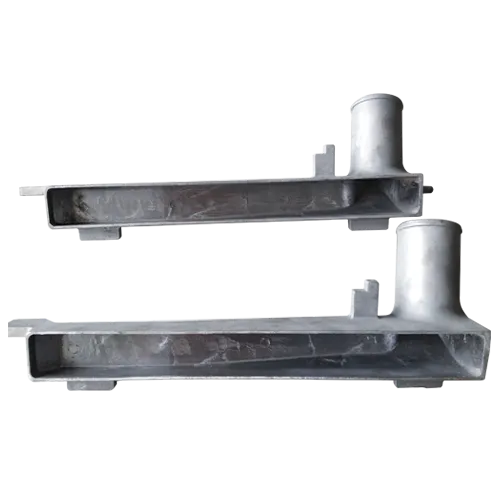
In many cultures, silver and gold have been used in religious ceremonies and as a measure of status. Ancient civilizations, such as the Egyptians and the Incas, revered gold, using it not only in currency but also in elaborate artworks and burial rituals. Today, gold remains a status symbol, often gifted in the form of jewelry during important life events such as weddings and graduations.
Environmental and Ethical Considerations
The extraction and processing of metals have significant environmental impacts. Mining operations can lead to land degradation, water pollution, and biodiversity loss. Therefore, the value of metals must also be assessed through the lens of sustainability. With a growing global emphasis on environmental responsibility, the demand for recycled metals has surged. Recyclable metals require less energy to process than their mined counterparts, making them increasingly sought after.
Moreover, ethical considerations play a crucial role in determining the value of certain metals. The term blood diamonds has given way to similar concerns regarding tantalum and cobalt, both vital for electronics and electric vehicle batteries. Consumers are becoming more conscious of supply chain practices, seeking ethically sourced materials that do not contribute to conflict or human rights abuses.
Conclusion
The value of metals is determined by a multitude of factors, ranging from economic indicators to cultural significance and environmental impact. As we move into a future characterized by technological advancements and a burgeoning global population, the demand for various metals will undoubtedly continue to evolve. Understanding these dynamics allows us to appreciate not only the economic importance of metals but also their role in shaping human history, culture, and our planet's future. Companies and consumers alike must navigate this complex landscape with an awareness of both the benefits and the responsibilities that come with metal procurement and usage.
-
Choosing an Engine Storage Crate Cover for Material and EnvironmentNewsNov.23,2026
-
Cylinder Head Chamber Buyers: Check the Casting Specification FirstNewsNov.17,2026
-
How Impeller Casting Manufacturers Match Material, Process and EquipmentNewsNov.15,2026
-
Valve body vs. intake air chamber: Which casting fits your assembly?NewsNov.02,2026
-
Air Intake Chamber FAQ: Specifications, Ordering and Support QuestionsNewsOct.28,2026
-
Motorcycle Accessories FAQ: Specifications, Ordering and Support QuestionsNewsOct.24,2026










