English

Mobile:+86-311-8081-2683
Email:info@ydcastings.com
English
curved blade impeller
The Curved Blade Impeller An Overview of Design and Applications
In the world of fluid dynamics and machinery design, the impeller plays a crucial role in transforming the rotational energy from a motor into kinetic energy in a fluid. Among various types of impellers, the curved blade impeller has gained significant attention due to its unique features and performance advantages. This article delves into the design, functionality, and applications of the curved blade impeller.
Design Characteristics
The design of a curved blade impeller is characterized by blades that are not straight but rather contoured, often following an aerodynamic profile. This curvature allows for more efficient fluid flow compared to traditional straight-blade designs. The angle and shape of the blades can be varied, influencing performance characteristics such as flow rate, pressure rise, and energy consumption.
Curved blade impellers are typically constructed from materials such as stainless steel, bronze, or high-grade plastics, depending on the application and the operating environment. The size and shape of the impeller are tailored to the specific needs of the system it operates within, such as pumps, fans, or turbines.
How It Works
The functioning of a curved blade impeller can be understood through the principles of fluid mechanics. When the impeller rotates, the curved blades create a low-pressure area behind them, drawing fluid into the impeller. As the fluid moves through the blades, it is accelerated due to the change in momentum imparted by the curvature. This acceleration generates increased velocity and pressure, allowing the fluid to be efficiently discharged from the impeller's outlet.
The design of the blades is critical in reducing turbulence, which can diminish efficiency. By carefully shaping the blades, engineers can optimize the flow path of the fluid, minimizing energy losses and enhancing overall performance. The ability to manipulate design parameters to achieve desired outcomes makes the curved blade impeller a versatile choice across a range of applications.
Applications
curved blade impeller
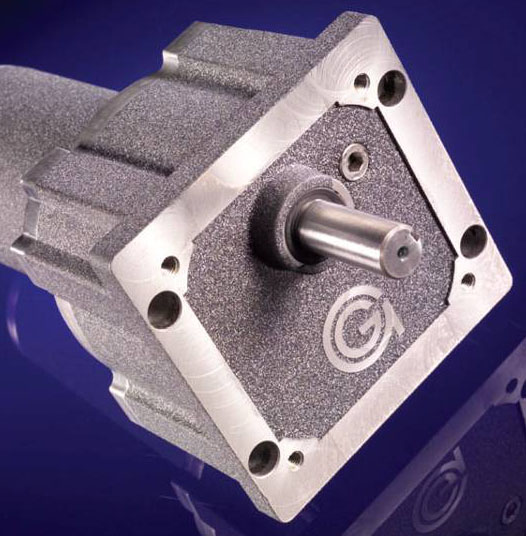
Curved blade impellers are utilized in a broad spectrum of industries due to their efficiency and adaptability
. One of the most common applications is in centrifugal pumps, where they are used to move liquids through a piping system. The efficiency of curved blade impellers allows for reduced operational costs and improved performance in water supply, chemical processing, and waste management.In HVAC systems, curved blade impellers are often found in fans and blowers. Their design enables effective air movement, crucial for heating, ventilation, and air conditioning applications. The optimization of airflow not only contributes to comfort in residential and commercial spaces but also enhances energy efficiency, leading to lower utility bills.
Another important application is in marine and aerospace engineering, where curved blade impellers are employed in propellers and turbines. In these scenarios, the impellers must withstand challenging conditions, including high speeds and variable environmental factors. The aerodynamic efficiency of curved blade impellers significantly contributes to the performance and reliability of vessels and aircraft.
Advantages of Curved Blade Impellers
The primary advantages of curved blade impellers include increased efficiency, reduced energy consumption, and improved flow characteristics. Their ability to handle varying fluid viscosities and densities also makes them suitable for a wide range of applications. Additionally, the reduced turbulence translates to lower noise levels during operation, making them favorable for use in settings where noise reduction is essential.
Moreover, the versatility of design options allows engineers to customize curved blade impellers for specific applications, ensuring optimal performance tailored to the needs of a project. This flexibility, combined with advancements in computational fluid dynamics (CFD) tools, has enabled enhanced design accuracy and performance prediction.
Conclusion
In conclusion, the curved blade impeller represents a significant advancement in impeller technology. Its unique design features and operational benefits make it an invaluable component in many industrial applications. As industries continue to seek greater efficiency and performance, the curved blade impeller is poised to remain at the forefront of fluid machinery innovation, driving progress in various sectors and contributing to energy-efficient solutions.
-
Choosing an Engine Storage Crate Cover for Material and EnvironmentNewsNov.23,2026
-
Cylinder Head Chamber Buyers: Check the Casting Specification FirstNewsNov.17,2026
-
How Impeller Casting Manufacturers Match Material, Process and EquipmentNewsNov.15,2026
-
Valve body vs. intake air chamber: Which casting fits your assembly?NewsNov.02,2026
-
Air Intake Chamber FAQ: Specifications, Ordering and Support QuestionsNewsOct.28,2026
-
Motorcycle Accessories FAQ: Specifications, Ordering and Support QuestionsNewsOct.24,2026










