English

Mobile:+86-311-8081-2683
Email:info@ydcastings.com
English
v8 exhaust manifold
Understanding the V8 Exhaust Manifold Function and Importance
The V8 engine is renowned for its powerful performance and smooth operation, widely used in various vehicles, from muscle cars to trucks. A critical component of its design is the exhaust manifold, which plays a vital role in the engine's efficiency and overall functionality. In this article, we’ll explore what an exhaust manifold does, its significance in a V8 engine, and some common issues associated with it.
What is an Exhaust Manifold?
An exhaust manifold is a cast iron or stainless-steel component that collects exhaust gases from the engine's cylinders and directs them to the exhaust system. In a V8 engine, there are typically two exhaust manifolds—one for each bank of cylinders. Each manifold is designed to efficiently gather the gases produced during the combustion process and channel them away from the engine.
Functionality and Importance
1. Collection of Exhaust Gases Each cylinder in a V8 engine produces exhaust gases that need to be expelled quickly to maintain optimal performance. The exhaust manifold collects these gases and combines them into a single outlet. This collection helps minimize back pressure, ensuring the engine operates smoothly.
2. Heat Management The exhaust manifold also plays a crucial role in managing the heat generated by the engine. By directing the hot gases away from the engine block, it helps prevent overheating, which could lead to serious engine damage. Proper heat dissipation through the manifold can prolong the life of engine components.
v8 exhaust manifold
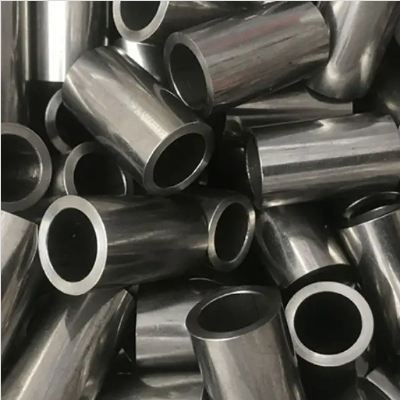
3. Emissions Control Modern vehicles are equipped with stringent emissions control systems. The exhaust manifold may be designed to integrate with other components, such as catalytic converters, to reduce harmful emissions. An efficient manifold improves the overall emissions performance of the vehicle.
4. Sound Management The design of the exhaust manifold can impact the noise produced by the engine. A well-designed manifold can promote a desirable exhaust note while minimizing undesirable sounds, enhancing the driving experience.
Common Issues with V8 Exhaust Manifolds
While exhaust manifolds are built to be durable, they can experience several issues over time. One of the most common problems is cracking due to the expansion and contraction that occurs with heating and cooling cycles. Cracks can lead to exhaust leaks, which may result in a decrease in engine performance and increased emissions.
Another issue may involve gasket failure. The manifold is sealed to the engine head with a gasket, which can wear out, leading to exhaust leaks that can further impair performance and fuel efficiency. It’s essential for vehicle owners to remain vigilant and address any signs of leakage, such as unusual sounds or a decrease in performance.
Conclusion
The exhaust manifold is a crucial component of a V8 engine that significantly impacts performance, efficiency, and emissions. Regular maintenance and inspections can prevent common issues, ensuring the engine runs smoothly and remains reliable over time. Understanding the role of the exhaust manifold can empower vehicle owners to make informed decisions about their engine's maintenance and care, ultimately leading to a better driving experience.
-
Choosing an Engine Storage Crate Cover for Material and EnvironmentNewsNov.23,2026
-
Cylinder Head Chamber Buyers: Check the Casting Specification FirstNewsNov.17,2026
-
How Impeller Casting Manufacturers Match Material, Process and EquipmentNewsNov.15,2026
-
Valve body vs. intake air chamber: Which casting fits your assembly?NewsNov.02,2026
-
Air Intake Chamber FAQ: Specifications, Ordering and Support QuestionsNewsOct.28,2026
-
Motorcycle Accessories FAQ: Specifications, Ordering and Support QuestionsNewsOct.24,2026










