English

Mobile:+86-311-8081-2683
Email:info@ydcastings.com
English
Innovative Solutions for Efficient Machinery Component Manufacturing and Repair
Understanding Machinery Parts The Unsung Heroes of Industry
Machinery parts are the backbone of various industries, playing a crucial role in ensuring that machines function correctly and efficiently. From the simplest tools used in manual labor to the most sophisticated pieces of equipment in factories, machinery parts are designed to provide power, motion, and control. In this article, we will delve into the importance of machinery parts, their various types, and how they contribute to the overall performance of machinery.
The Role of Machinery Parts
Machinery parts serve several fundamental functions. They are responsible for transmitting power, supporting loads, enabling movement, and facilitating various mechanical processes. Without these components, machines would be unable to perform their designated tasks, leading to decreased productivity and increased frustration for operators.
In industries ranging from manufacturing and construction to agriculture and transportation, machinery parts play a vital role. For example, in a manufacturing setting, conveyor belts, gears, and pulleys work together to move products through different stages of production. In construction, hydraulic systems and heavy machinery rely on various parts to lift, excavate, and transport materials.
Types of Machinery Parts
Machinery parts can be categorized into several types, each serving specific functions. Here are some of the key categories
1. Mechanical Parts These include gears, shafts, bearings, and couplings, which enable movement and transmission of power within a machine. Gears, for example, are crucial for adjusting speed and torque in various applications.
2. Electrical Parts Components such as motors, switches, and sensors fall under this category. They control the electrical systems that power machines, ensuring proper operation and safety standards are met.
3. Hydraulic and Pneumatic Parts Hydraulic cylinders, pumps, and valves are vital in systems that use liquids to transmit power, while pneumatic components operate using air pressure for various functions. These parts are essential in heavy machinery and complex systems.
machinery part
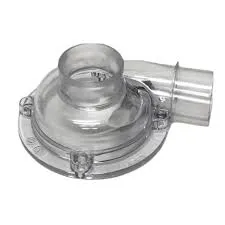
4. Structural Parts These are the framework and housing of machines, providing support and protection to internal components. Structural parts must be designed to withstand operational stresses and environmental conditions.
5. Consumables and Wear Parts These are parts that require regular replacement due to wear and tear, such as filters, belts, and blades. Monitoring their condition is essential to prevent machine downtime and maintain operational efficiency.
The Importance of Quality and Maintenance
The quality of machinery parts significantly impacts the performance and longevity of machines. High-quality components are designed to withstand extreme conditions, resist wear, and provide reliability over time. Conversely, inferior parts may lead to mechanical failures, accidents, and increased operational costs.
Regular maintenance is also crucial for the longevity of machinery parts. Routine inspections, lubrication, and timely replacements help prevent unexpected breakdowns and prolong the life of the equipment. Implementing a preventative maintenance program can save companies significant amounts in repair costs and downtime.
The Evolution of Machinery Parts
The world of machinery parts has evolved dramatically over the years. Advances in materials science, computer-aided design (CAD), and manufacturing technologies have led to the development of more efficient and durable components. From lightweight alloys to 3D-printed parts, innovation continues to drive the evolution of machinery components, catering to the ever-changing demands of industry.
Conclusion
In conclusion, machinery parts are essential elements that enable machines to perform a vast array of tasks across different industries. Understanding the various types of components and their functions is crucial for anyone involved in the operation, maintenance, and manufacturing of machinery. By investing in high-quality parts and implementing effective maintenance strategies, industries can enhance their productivity, ensure smooth operations, and ultimately contribute to economic growth. As we look to the future, the continuous innovation in machinery parts will undoubtedly play a vital role in advancing technology and efficiency across sectors.
-
Choosing an Engine Storage Crate Cover for Material and EnvironmentNewsNov.23,2026
-
Cylinder Head Chamber Buyers: Check the Casting Specification FirstNewsNov.17,2026
-
How Impeller Casting Manufacturers Match Material, Process and EquipmentNewsNov.15,2026
-
Valve body vs. intake air chamber: Which casting fits your assembly?NewsNov.02,2026
-
Air Intake Chamber FAQ: Specifications, Ordering and Support QuestionsNewsOct.28,2026
-
Motorcycle Accessories FAQ: Specifications, Ordering and Support QuestionsNewsOct.24,2026










