Mobile:+86-311-808-126-83
Email:info@ydcastings.com

Types of Metal Castings and Their Applications in Agricultural Machinery
Agricultural machinery is built to operate in some of the toughest working environments, including dusty fields, wet conditions, high loads, and long operating hours. To meet these demands, manufacturers rely heavily on metal casting technology to produce strong, durable, and cost-effective components. Understanding the types of metal castings and the types of metal casting processes is essential for designing reliable agricultural equipment such as tractors, harvesters, irrigation pumps, and processing machinery.
This article explores how different metal casting methods and materials—ranging from steel sand casting to Superior Aluminum Castings—are used in agricultural machinery, along with the role of suppliers, pumps, and small casting solutions in modern farming equipment.
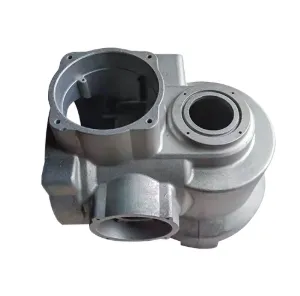
Types of Metal Castings Used in Agricultural Machinery
Agricultural machinery requires a wide range of cast components, each designed to perform specific structural or functional roles. The most common types of metal castings used in agriculture include cast iron, carbon steel, stainless steel, and aluminum castings.
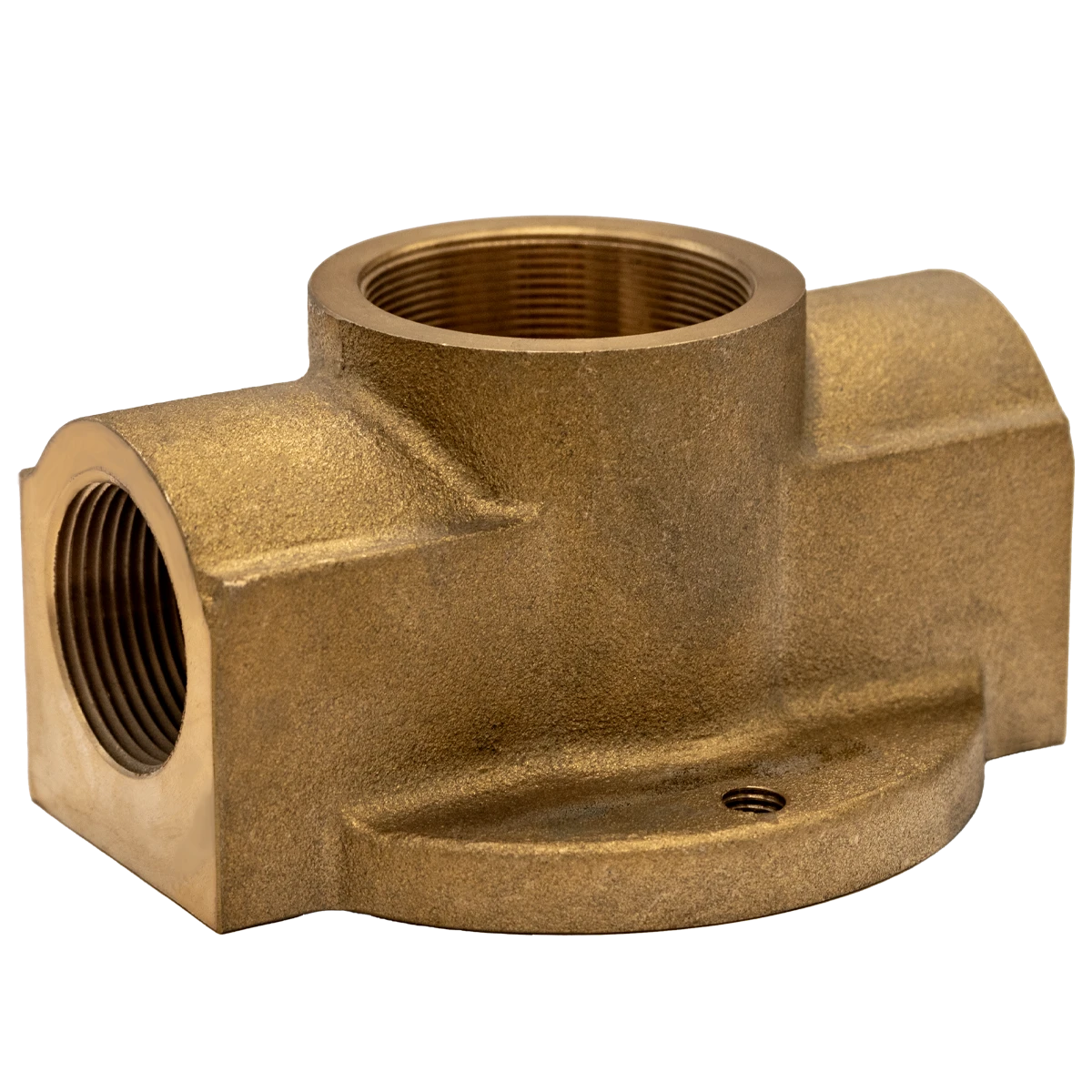
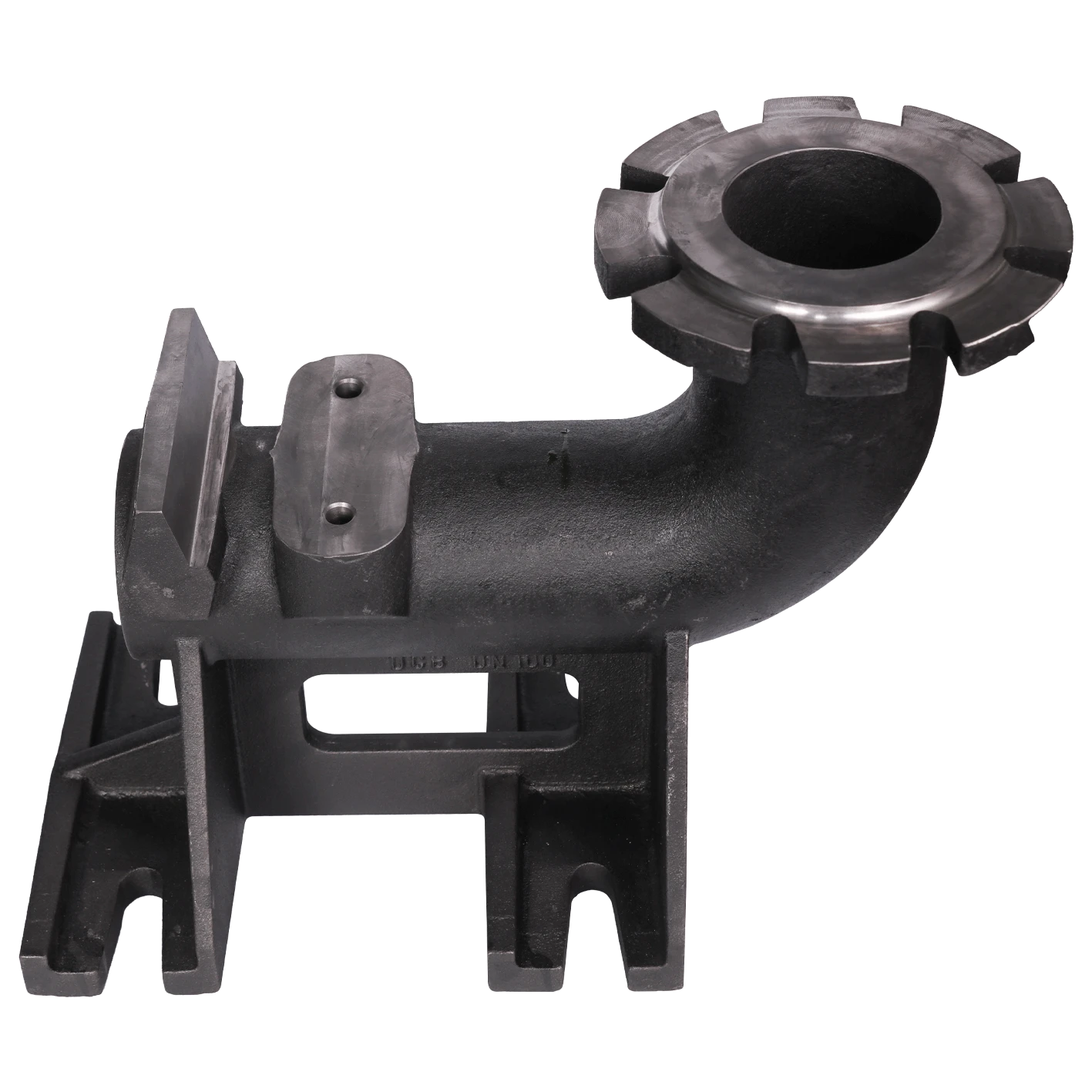
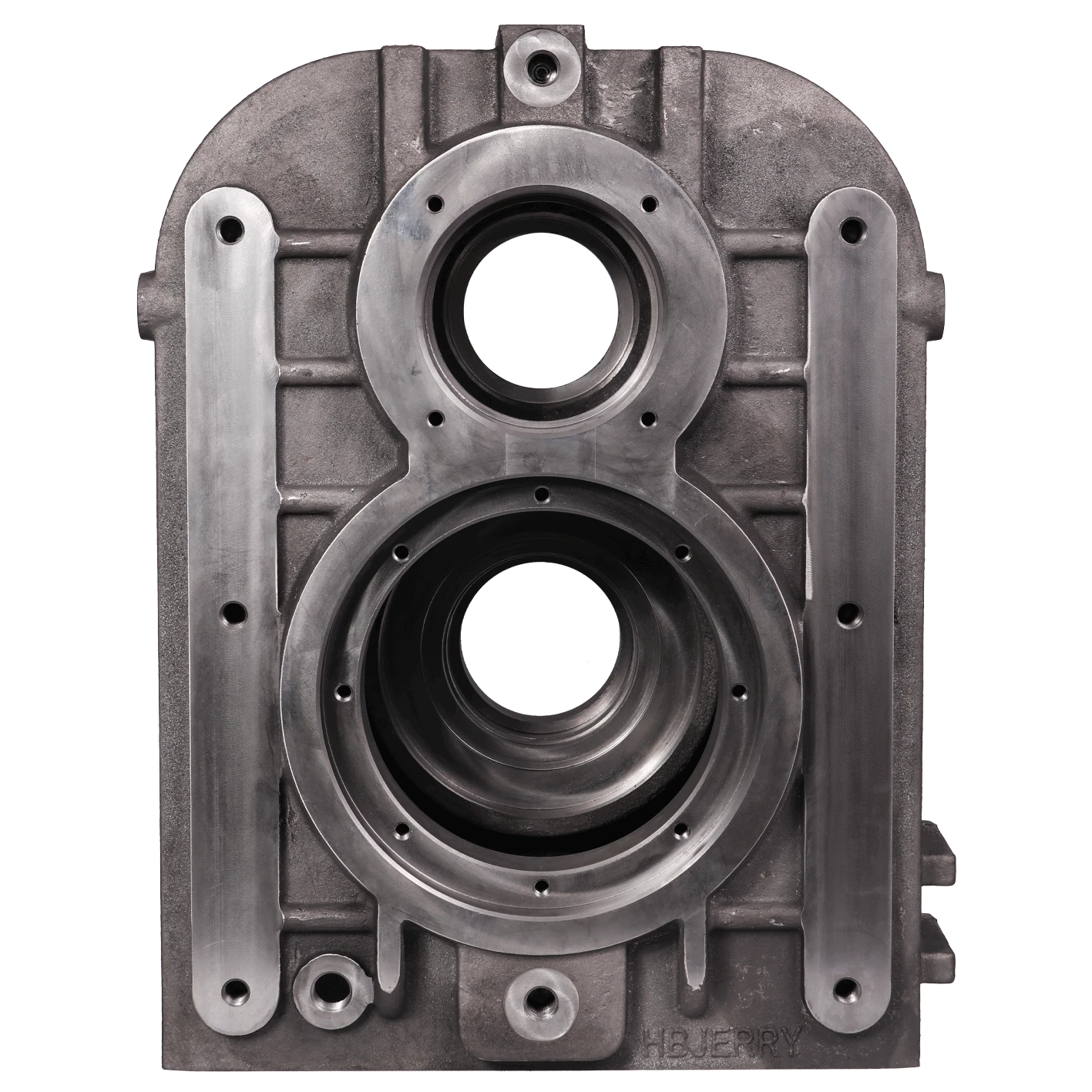
Cast iron castings are widely used for engine blocks, gear housings, brackets, and frames due to their excellent strength, wear resistance, and vibration-damping properties. These qualities are especially valuable in large agricultural machines that operate continuously under heavy loads.
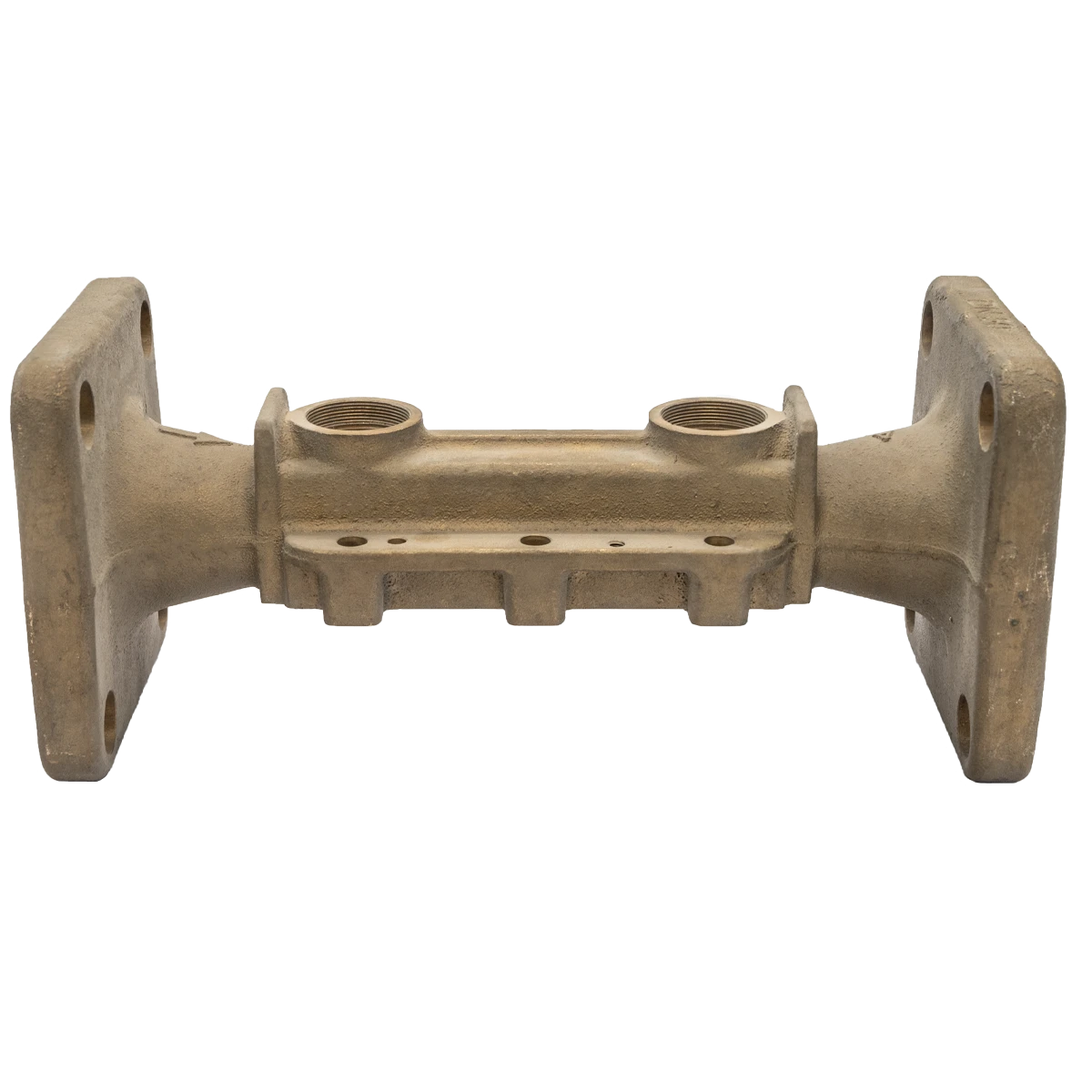
Steel castings, particularly those produced through steel sand casting, are used for components that require higher tensile strength and impact resistance. Examples include hitch components, axle housings, transmission parts, and heavy-duty mounting structures. Steel sand casting allows manufacturers to produce complex shapes while maintaining the mechanical strength needed for demanding agricultural applications.
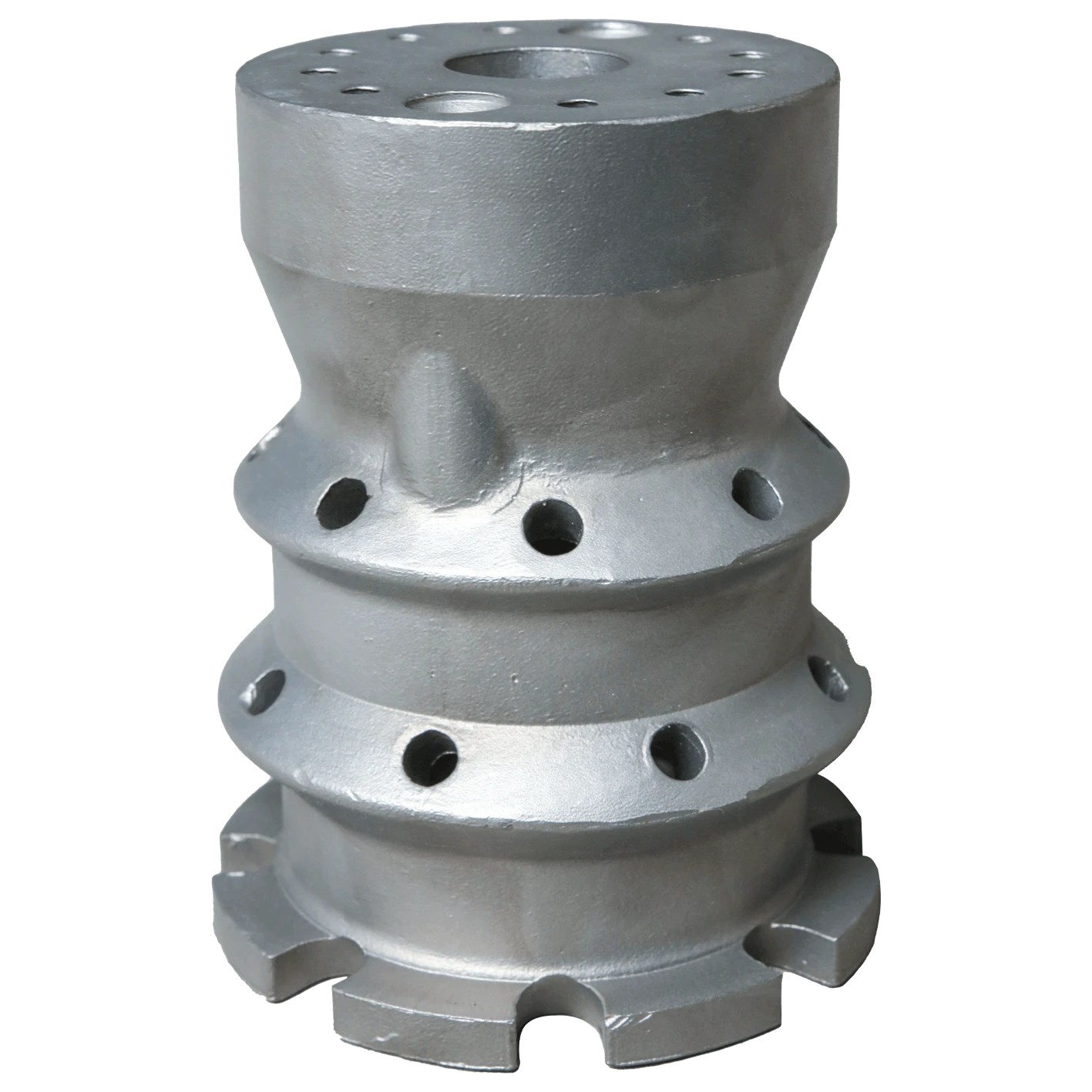
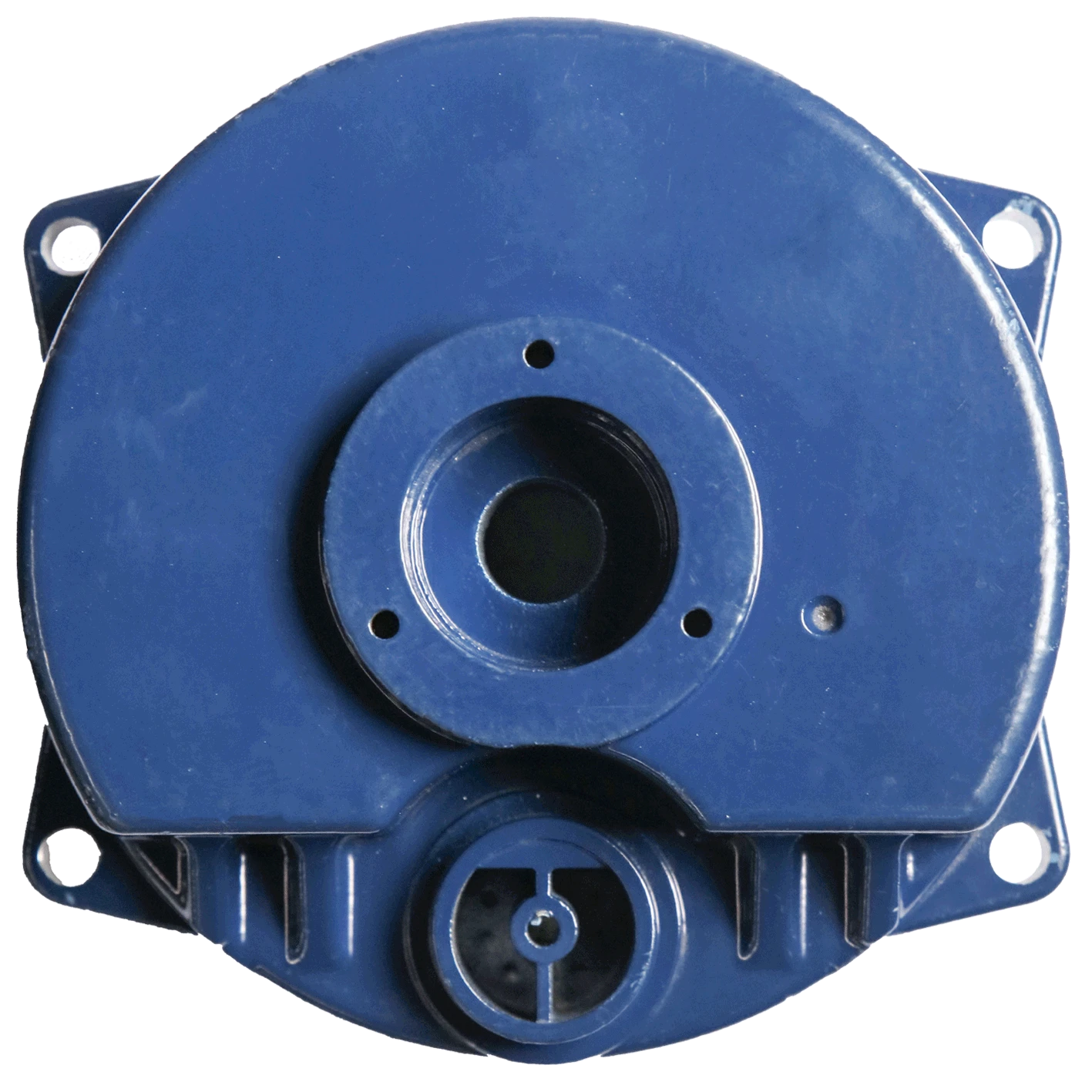
Aluminum castings are increasingly popular in modern agricultural machinery. Superior Aluminum Castings are valued for their lightweight nature, corrosion resistance, and excellent heat dissipation. Aluminum is commonly used for engine covers, motor housings, gearbox enclosures, and cooling system components. Reducing machine weight improves fuel efficiency and maneuverability, which is critical for large-scale farming operations.
Another important category is small metal casting, which includes brackets, clamps, connectors, and custom fittings. Though small in size, these components play a vital role in machinery assembly, alignment, and reliability. Precision small metal castings are widely used in seeders, sprayers, and automated agricultural equipment.
Types of Metal Casting Processes in Agricultural Equipment Manufacturing
Understanding the types of metal casting processes helps explain why casting is such a dominant manufacturing method in agricultural machinery. One of the most widely used processes is sand casting, supported by readily available sand casting supplies such as molding sand, binders, and cores.
Steel sand casting is particularly important for agricultural machinery because it allows for the production of large, complex, and heavy components at a relatively low cost. Sand molds can be customized for different designs, making this process ideal for producing low- to medium-volume agricultural parts such as plow components, chassis elements, and pump housings.
Aluminum sand casting and permanent mold casting are commonly used to create lightweight yet durable components. Superior Aluminum Castings often result from advanced casting techniques that improve surface finish, dimensional accuracy, and mechanical properties. These methods are well suited for producing engine parts, motor housings, and transmission covers used in agricultural machinery.
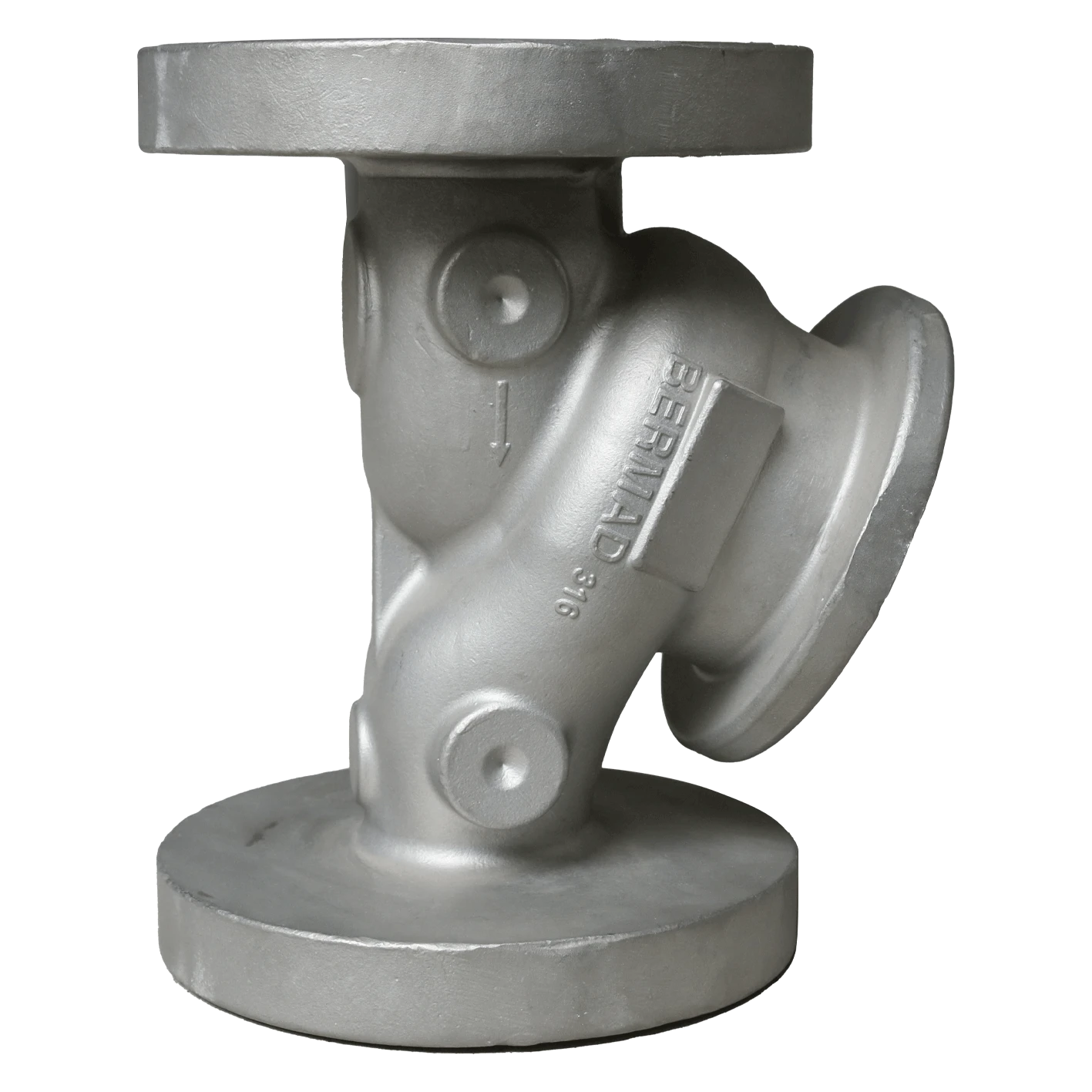
Stainless steel casting is another important process, particularly for components exposed to water, chemicals, and corrosive environments. Stainless Steel Castings Suppliers provide parts that meet strict hygiene and durability requirements, especially for equipment used in irrigation, fertilizer application, and agricultural processing.
In addition to large components, manufacturers also rely on small metal casting processes such as investment casting for producing high-precision parts. These processes are ideal for intricate shapes and tight tolerances, often required in pumps, valves, and control systems found in agricultural equipment.
Stainless Steel Castings and Pump Applications in Agriculture
Fluid handling is a core function of agricultural machinery, from irrigation systems to chemical spraying and livestock watering. Components such as the stainless steel pump are essential for ensuring reliable and contamination-free fluid transfer. Stainless steel pumps are widely used in agriculture due to their corrosion resistance, strength, and ease of cleaning.
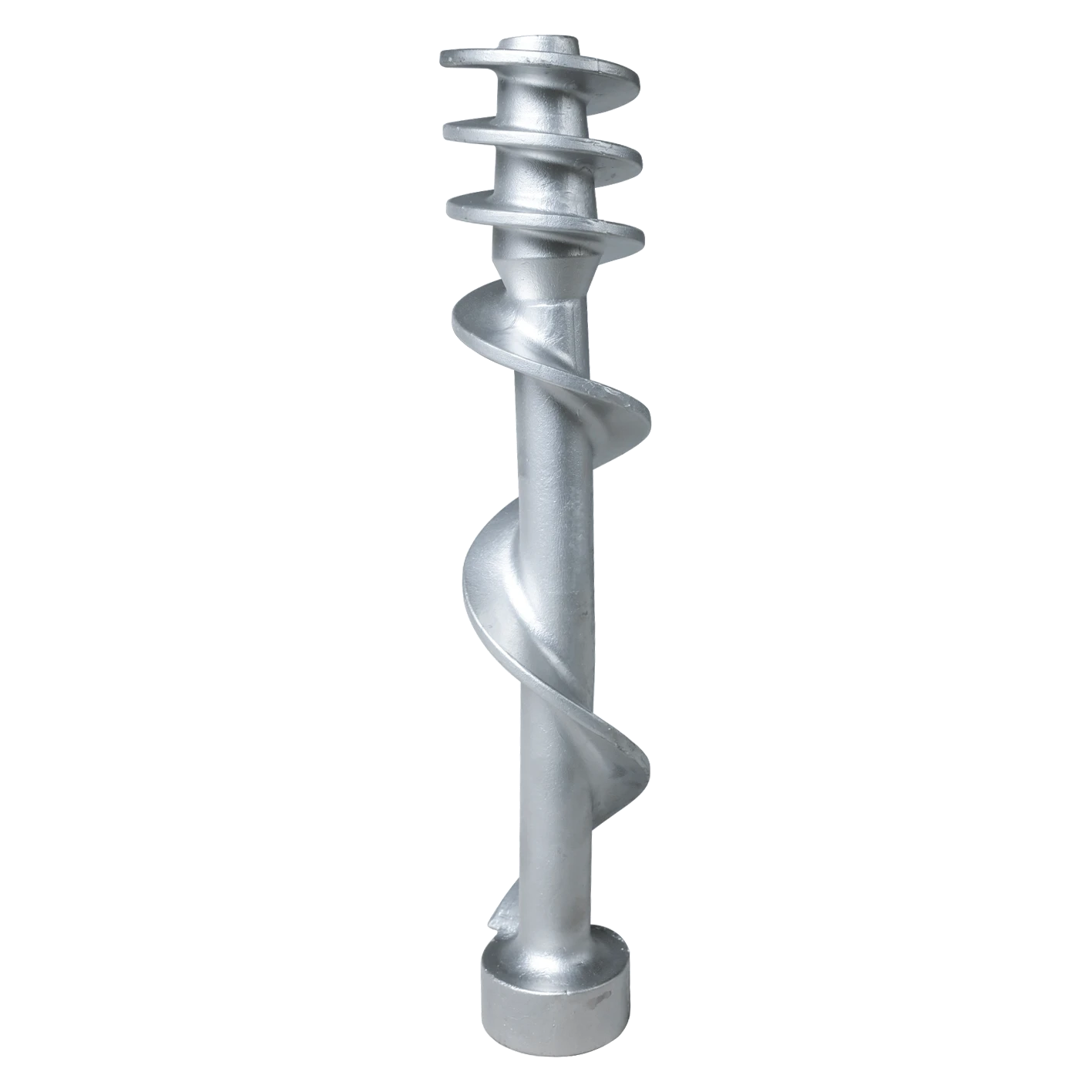
Many stainless steel pump components, including impellers, casings, and connectors, are produced by specialized Stainless Steel Castings Suppliers. These suppliers support agricultural machinery manufacturers by delivering high-quality castings that meet performance and safety standards. Stainless steel castings are especially important in applications involving fertilizers, pesticides, and food-grade agricultural processing, where material purity and durability are critical.
Casting technology enables manufacturers to integrate complex internal channels and mounting features directly into pump components. This reduces the need for additional machining and assembly, lowering production costs while improving reliability. Whether used in irrigation systems or agricultural processing lines, stainless steel cast pumps contribute to efficient water and chemical management.
The availability of reliable sand casting supplies also supports rapid production and customization of pump components. Agricultural equipment often needs to be adapted for different crops, climates, and farm sizes. Sand casting allows manufacturers to modify designs quickly, making it easier to meet diverse agricultural requirements.
The Importance of Casting Quality in Agricultural Machinery
High-quality metal castings directly impact the performance and lifespan of agricultural machinery. Poor casting quality can lead to defects such as cracks, porosity, or dimensional inaccuracies, resulting in equipment failure and costly downtime during critical farming seasons.
By selecting the right types of metal castings and matching them with appropriate types of metal casting processes, manufacturers can ensure optimal strength, durability, and efficiency. Working with experienced suppliers—especially those specializing in Superior Aluminum Castings or stainless steel components—helps maintain consistent quality across production batches.
As agricultural machinery continues to evolve toward automation and higher power output, casting technology will remain a cornerstone of equipment manufacturing. Advanced materials, improved sand casting techniques, and precision small metal casting methods will further enhance the performance and reliability of farming equipment.
In agricultural machinery equipment, metal casting plays a vital role in producing strong, reliable, and cost-effective components. From understanding the types of metal castings and types of metal casting processes to applying steel sand casting, Superior Aluminum Castings, and precision small metal casting, casting technology supports nearly every aspect of modern agriculture.
With the support of professional Stainless Steel Castings Suppliers, durable stainless steel pump components, and high-quality sand casting supplies, agricultural machinery manufacturers can build equipment capable of meeting the demanding needs of modern farming. These cast components form the structural and functional foundation that enables efficient, sustainable, and productive agricultural operations worldwide.
-
Precision Valve Castings for Agricultural Irrigation and Fluid Control SystemsNewsMay.08,2026
-
Precision Impeller and Compressor Components for Agricultural MachineryNewsMay.08,2026
-
Essential Cast Components for Agricultural Machinery: Oil Management and Motor ProtectionNewsMay.08,2026
-
High-Performance Cast Components for Agricultural Machinery: From Cooling to Exhaust SystemsNewsMay.08,2026
-
Agricultural Valve Castings: Durable Flow Control Solutions for Farm Irrigation SystemsNewsMay.08,2026
-
High-Performance Agricultural Pump Components: Precision Castings for Reliable Farm OperationsNewsMay.08,2026