English

Mobile:+86-311-8081-2683
Email:info@ydcastings.com
English
Feb . 15, 2025 17:56
Back to list
Pump Body
In the ever-evolving world of automotive engineering, the turbocharger housing stands as a pivotal component in boosting engine performance and efficiency. For enthusiasts and professionals alike seeking enhanced vehicle capabilities, understanding the intricate details of turbocharger housings is essential.
The rapid advancements in material science have furthered the capabilities of turbocharger housings. The development and integration of new alloys and composites have pushed the boundaries, allowing for lighter yet stronger components, thereby improving vehicle agility and efficiency. Innovations in ceramic-based housings, for example, have offered promising reductions in thermal inertia, leading to faster turbo spool times and improved overall responsiveness of the engine. Moreover, the environmental impact of a turbocharger housing is already influencing the design and engineering approaches adopted by automotive manufacturers. Enhanced materials and structural designs aim to minimize the ecological footprint by increasing engine efficiency, thereby reducing emissions. Thus, engineers and researchers are not only tasked with enhancing performance but must also align with global sustainability agendas. Turbocharger housings stand as a testament to the intertwining of advanced technology and expert craftsmanship. Understanding their role and potential requires not only an appreciation of current engineering practices but also a foresight into emerging trends and technologies. For professionals in the field, gaining experience through experimentation with various housing configurations and observing performance differentials is invaluable. Expertise in interpreting technical data and predicting system behavior allows for better decision-making when specifying turbocharger systems. In conclusion, the turbocharger housing proves to be more than a mere mechanical enclosure; it is a critical determinant of performance and reliability in any forced induction system. Businesses and individuals seeking to maximize engine output and efficiency must invest in understanding and selecting the optimal housing configuration, relying on industry expertise and continued research into material and design innovations. Consequently, the quest for automotive supremacy will always hinge on the fine balance dictated by these engineering marvels.
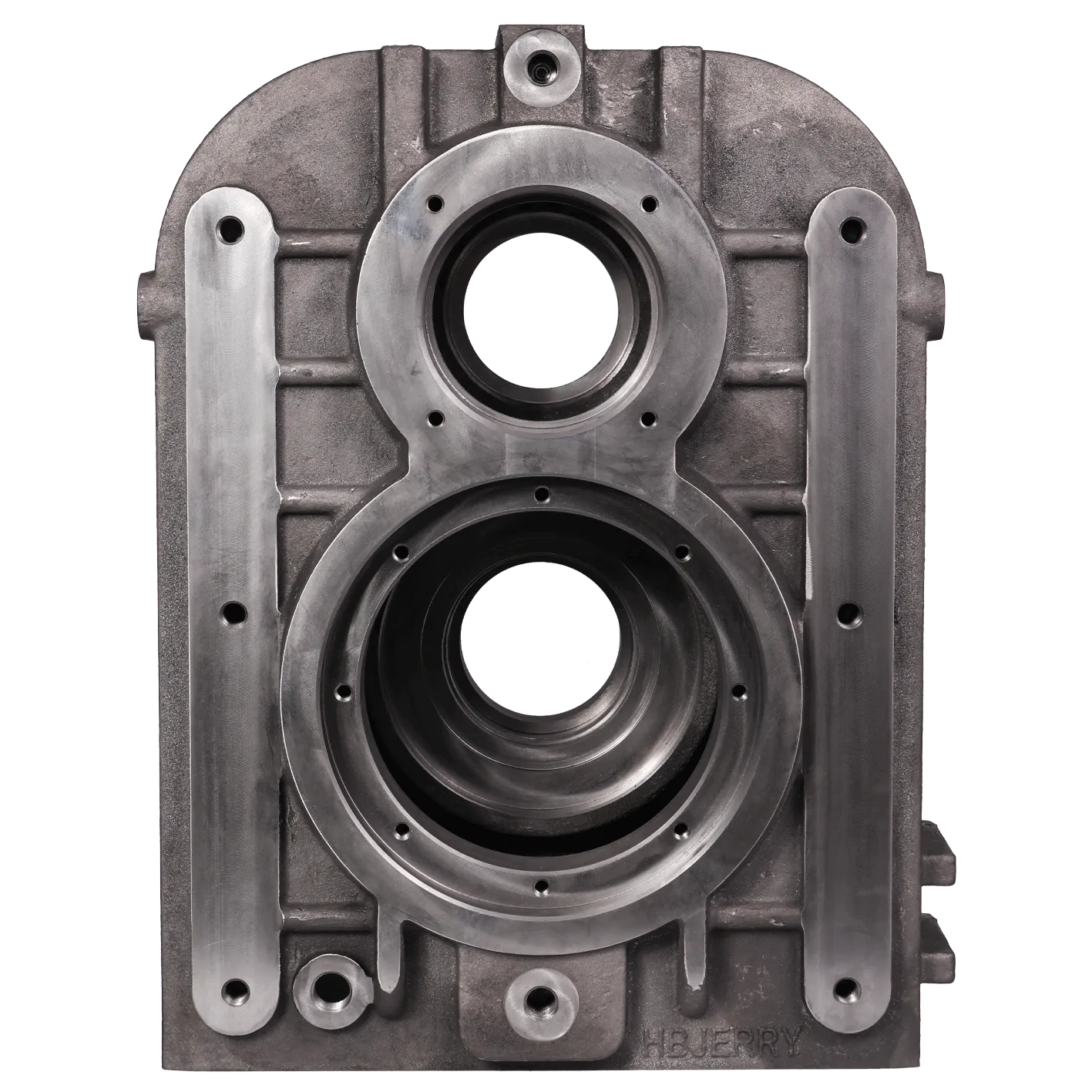
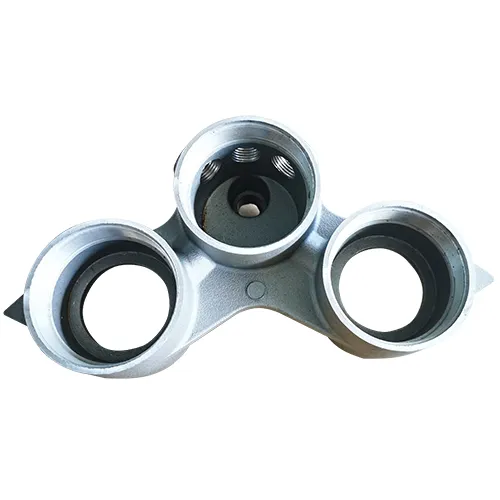
The rapid advancements in material science have furthered the capabilities of turbocharger housings. The development and integration of new alloys and composites have pushed the boundaries, allowing for lighter yet stronger components, thereby improving vehicle agility and efficiency. Innovations in ceramic-based housings, for example, have offered promising reductions in thermal inertia, leading to faster turbo spool times and improved overall responsiveness of the engine. Moreover, the environmental impact of a turbocharger housing is already influencing the design and engineering approaches adopted by automotive manufacturers. Enhanced materials and structural designs aim to minimize the ecological footprint by increasing engine efficiency, thereby reducing emissions. Thus, engineers and researchers are not only tasked with enhancing performance but must also align with global sustainability agendas. Turbocharger housings stand as a testament to the intertwining of advanced technology and expert craftsmanship. Understanding their role and potential requires not only an appreciation of current engineering practices but also a foresight into emerging trends and technologies. For professionals in the field, gaining experience through experimentation with various housing configurations and observing performance differentials is invaluable. Expertise in interpreting technical data and predicting system behavior allows for better decision-making when specifying turbocharger systems. In conclusion, the turbocharger housing proves to be more than a mere mechanical enclosure; it is a critical determinant of performance and reliability in any forced induction system. Businesses and individuals seeking to maximize engine output and efficiency must invest in understanding and selecting the optimal housing configuration, relying on industry expertise and continued research into material and design innovations. Consequently, the quest for automotive supremacy will always hinge on the fine balance dictated by these engineering marvels.
Next:
Latest news
-
Choosing an Engine Storage Crate Cover for Material and EnvironmentNewsNov.23,2026
-
Cylinder Head Chamber Buyers: Check the Casting Specification FirstNewsNov.17,2026
-
How Impeller Casting Manufacturers Match Material, Process and EquipmentNewsNov.15,2026
-
Valve body vs. intake air chamber: Which casting fits your assembly?NewsNov.02,2026
-
Air Intake Chamber FAQ: Specifications, Ordering and Support QuestionsNewsOct.28,2026
-
Motorcycle Accessories FAQ: Specifications, Ordering and Support QuestionsNewsOct.24,2026
Related PRODUCTS










