English

Mobile:+86-311-8081-2683
Email:info@ydcastings.com
English
Feb . 15, 2025 17:37
Back to list
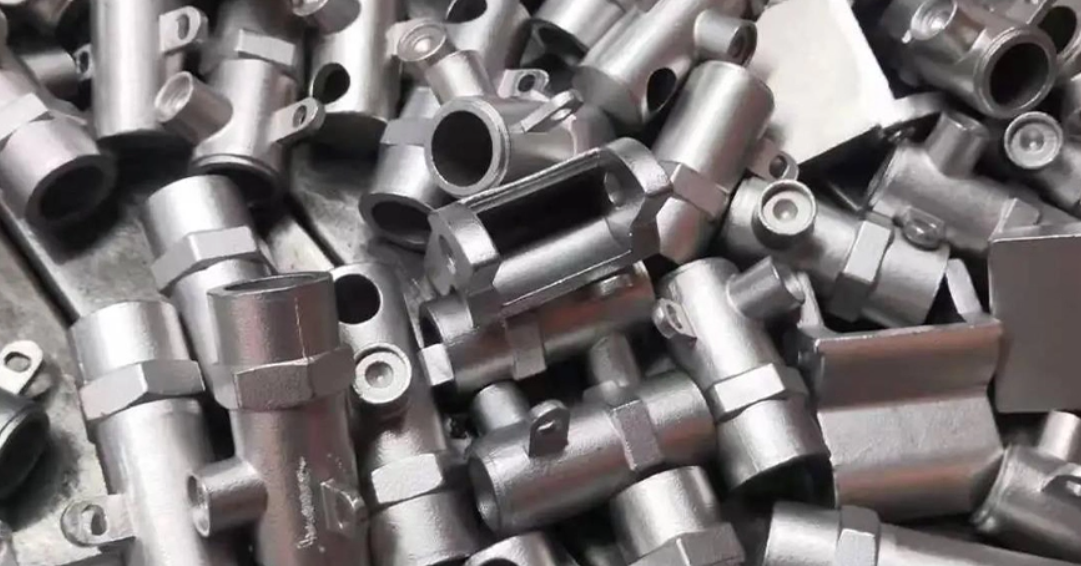
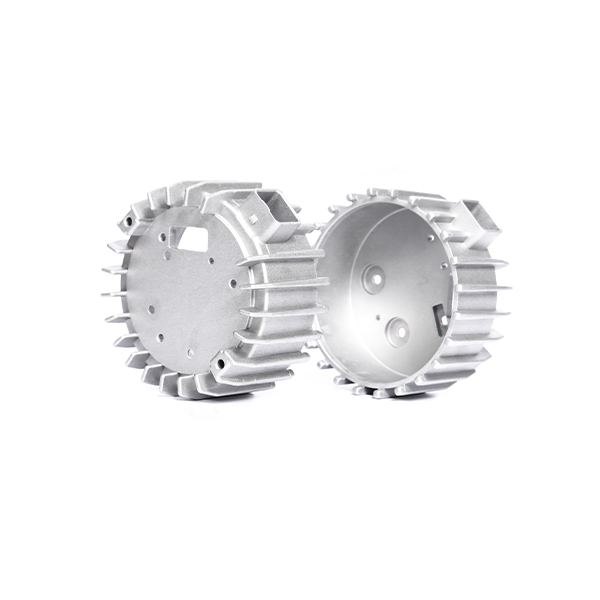
Motor shell housing
When it comes to enhancing the performance of turbocharged engines, one component often deemed essential is the turbo housing, specifically the TD05 turbine housing. This component, crucial in the domain of forced induction systems, serves as a vital part of the turbocharger's anatomy. Its role spans directing exhaust gases to the turbine wheel and determining the turbo's efficiency, responsiveness, and durability.
Authoritativeness in the domain of turbine housings is exemplified by the TD05's frequent mention in reputable automotive forums and performance workshops. Its historical relevance and consistent performance records have established it as a trusted choice among automotive enthusiasts and professionals alike. The success stories proliferating within the community provide not just anecdotes but data points that substantiate its claims of superiority. It is a testament to the TD05's engineering prowess that it retains such esteem amidst evolving automotive technologies. Trustworthiness, particularly in the aftermarket parts industry, is established through consistency and community approval. The TD05 turbine housing features in numerous successful builds, where endurance trials and long-term use studies reflect its durability. Its compatibility with various setups, modified or stock, often sees it recommended by experts as a starting point for turbo optimization. Given that the world of turbochargers is often fraught with technicalities, consumer trust hinges upon clear communication and substantiation of capabilities. The TD05 turbine housing triumphs in this arena by backing claims with proven results. Its reputation is not just built on performance figures but on a genuine reliability narrative corroborated by a multitude of user experiences and testaments. In sum, the TD05 turbine housing emerges as an exemplary component blending performance, reliability, and reputability. It resonates well within the performance community due to its durable construction and adaptable performance characteristics, fitting a wide array of automotive applications. Its tenure in the market serves as a benchmark for what turbine housings should aspire to deliver - efficiency, power, and trust, making it a perennial subject of interest for automotive DIYers and seasoned professionals alike.
Authoritativeness in the domain of turbine housings is exemplified by the TD05's frequent mention in reputable automotive forums and performance workshops. Its historical relevance and consistent performance records have established it as a trusted choice among automotive enthusiasts and professionals alike. The success stories proliferating within the community provide not just anecdotes but data points that substantiate its claims of superiority. It is a testament to the TD05's engineering prowess that it retains such esteem amidst evolving automotive technologies. Trustworthiness, particularly in the aftermarket parts industry, is established through consistency and community approval. The TD05 turbine housing features in numerous successful builds, where endurance trials and long-term use studies reflect its durability. Its compatibility with various setups, modified or stock, often sees it recommended by experts as a starting point for turbo optimization. Given that the world of turbochargers is often fraught with technicalities, consumer trust hinges upon clear communication and substantiation of capabilities. The TD05 turbine housing triumphs in this arena by backing claims with proven results. Its reputation is not just built on performance figures but on a genuine reliability narrative corroborated by a multitude of user experiences and testaments. In sum, the TD05 turbine housing emerges as an exemplary component blending performance, reliability, and reputability. It resonates well within the performance community due to its durable construction and adaptable performance characteristics, fitting a wide array of automotive applications. Its tenure in the market serves as a benchmark for what turbine housings should aspire to deliver - efficiency, power, and trust, making it a perennial subject of interest for automotive DIYers and seasoned professionals alike.
Next:
Latest news
-
Choosing an Engine Storage Crate Cover for Material and EnvironmentNewsNov.23,2026
-
Cylinder Head Chamber Buyers: Check the Casting Specification FirstNewsNov.17,2026
-
How Impeller Casting Manufacturers Match Material, Process and EquipmentNewsNov.15,2026
-
Valve body vs. intake air chamber: Which casting fits your assembly?NewsNov.02,2026
-
Air Intake Chamber FAQ: Specifications, Ordering and Support QuestionsNewsOct.28,2026
-
Motorcycle Accessories FAQ: Specifications, Ordering and Support QuestionsNewsOct.24,2026
Related PRODUCTS










