English

Mobile:+86-311-8081-2683
Email:info@ydcastings.com
English
Turbo 90 Degree Elbow for Enhanced Fluid Flow Efficiency
The Significance of the Turbo 90 Degree Elbow in Modern Engineering
In the realm of fluid dynamics and piping systems, the components we choose can make a significant impact on efficiency, performance, and safety. One such essential component is the turbo 90 degree elbow. This specially designed fitting plays a critical role in redirecting the flow of fluids within various piping systems, making it a staple in industries ranging from HVAC to chemical processing.
Design and Functionality
The turbo 90 degree elbow is specifically engineered to handle a high volume of flow while minimizing turbulence and pressure losses. Unlike standard 90 degree elbows, the turbo design features a smooth, gradual transition in the internal diameter. This unique characteristic is vital because it allows for a streamlined flow of fluids, reducing the risk of cavitation and ensuring that the system operates at optimal pressure levels.
The use of a turbo 90 degree elbow is particularly beneficial in applications where fluid velocity is high. By facilitating a seamless turn, this component helps maintain flow continuity, thereby enhancing the overall efficiency of the piping system. Additionally, the reduced turbulence contributes to less wear and tear on the piping infrastructure, thereby increasing the longevity of the system.
Applications Across Industries
turbo 90 degree elbow
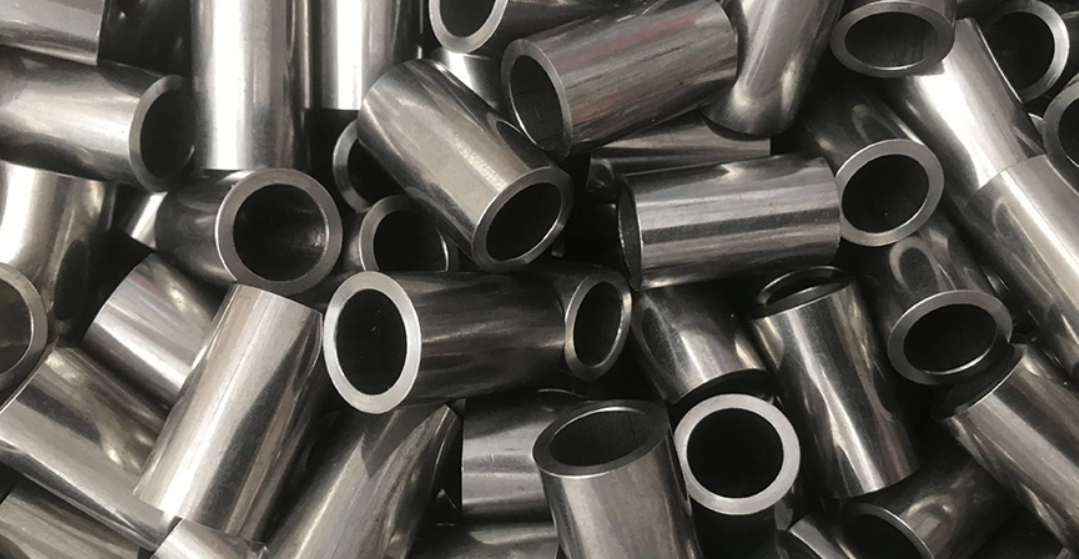
Turbo 90 degree elbows find their applications across a wide array of industries. In the HVAC (heating, ventilation, and air conditioning) sector, these components are commonly utilized to redirect airflow smoothly, minimizing energy losses and enhancing system performance. In chemical processing plants, robust turbo elbows help redirect corrosive or high-temperature fluids, ensuring safety and reliability in the transportation of various chemicals.
Furthermore, in the automotive industry, turbo 90 degree elbows are often employed in turbocharger systems. The efficient redirecting of air in these systems is vital for maximizing engine performance. The design and functionality of these elbows can significantly influence the efficiency of combustion, leading to better fuel economy and reduced emissions.
Material Considerations
When choosing a turbo 90 degree elbow, material selection is crucial. These elbows are commonly made from stainless steel, carbon steel, or high-grade plastics, depending on the specific requirements of the application. Stainless steel, for instance, offers excellent corrosion resistance and strength at high temperatures, making it ideal for demanding environments. In contrast, high-grade plastics may be selected for applications involving less aggressive substances.
Conclusion
In summary, the turbo 90 degree elbow is not just a simple component; it is a critical engineering solution that enhances the performance and reliability of piping systems across various industries. Its innovative design reduces flow turbulence and pressure loss, making it an essential part of modern engineering practices. As industries continue to evolve and seek more efficient solutions, the importance of components like the turbo 90 degree elbow cannot be overstated. Whether in chemical processing, HVAC, or automotive systems, these fittings play a vital role in ensuring smooth and efficient fluid transport.
-
Choosing an Engine Storage Crate Cover for Material and EnvironmentNewsNov.23,2026
-
Cylinder Head Chamber Buyers: Check the Casting Specification FirstNewsNov.17,2026
-
How Impeller Casting Manufacturers Match Material, Process and EquipmentNewsNov.15,2026
-
Valve body vs. intake air chamber: Which casting fits your assembly?NewsNov.02,2026
-
Air Intake Chamber FAQ: Specifications, Ordering and Support QuestionsNewsOct.28,2026
-
Motorcycle Accessories FAQ: Specifications, Ordering and Support QuestionsNewsOct.24,2026










