English

Mobile:+86-311-8081-2683
Email:info@ydcastings.com
English
end cap for ms pipe
End Cap for MS Pipe An Essential Component in Pipeline Systems
In the realm of pipeline construction and maintenance, the end cap for mild steel (MS) pipes is a fundamental yet often overlooked component. The end cap serves as a termination point for the pipe, providing a critical barrier that prevents leakage, contamination, and the ingress of foreign materials. This article will delve into the importance, types, applications, and installation process of end caps for MS pipes.
Importance of End Caps
The primary function of an end cap is to close off the end of a pipe. This closure is essential for several reasons. First and foremost, it safely contains the liquids or gases transported within the pipeline. Without an effective sealing mechanism, these substances could leak, leading to environmental hazards, product loss, and potential safety risks for workers and nearby populations.
Moreover, end caps help maintain system integrity by providing resistance against external elements. In harsh conditions, such as exposure to corrosive chemicals or extreme weather, an end cap can protect the internal surface of the pipe from deterioration. Additionally, it aids in preventing moisture or dirt accumulation, which can compromise the quality of the materials being transported.
Types of End Caps
End caps for MS pipes come in various designs and materials, catering to different operational needs. The two primary types are threaded and welded end caps.
1. Threaded End Caps These are designed with internal threads that allow for easy installation and removal. They are typically used in applications where regular maintenance or system modifications are expected. The screw-on feature makes them an ideal choice for smaller pipelines or systems that require adaptable connections.
2. Welded End Caps For more permanent solutions, welded end caps are commonly used. These caps are fitted over the pipe’s end and are permanently affixed using welding techniques. This method ensures a tight seal and is preferred in high-pressure applications where maintaining the integrity of the pipe's end is crucial.
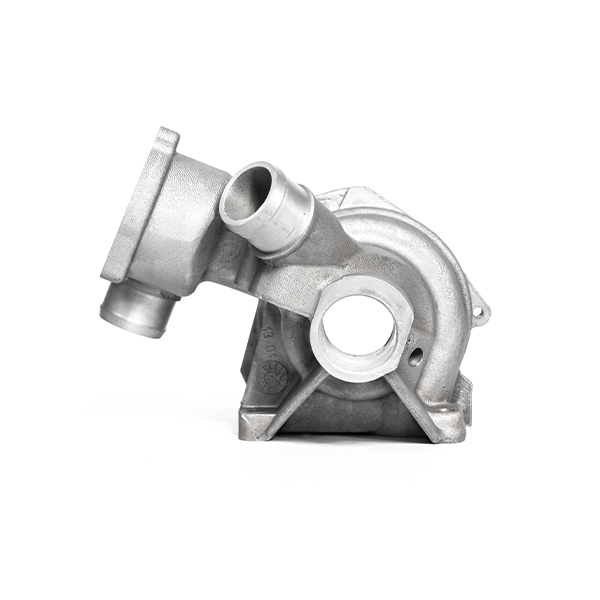
end cap for ms pipe
Applications
End caps for MS pipes find use in a wide array of applications across different industries. In the oil and gas sector, they safeguard pipelines that transport crude oil or natural gas, providing a secure endpoint to prevent spills or leaks. In water supply systems, end caps may be utilized to seal off sections of pipes during maintenance or repairs.
Moreover, in the construction industry, end caps are used in scaffolding systems and structural frame construction to close off hollow sections of steel tubes. This application not only enhances structural stability but also provides a polished finish to displays.
Installation Process
Installing an end cap on an MS pipe, whether threaded or welded, requires careful attention to detail to ensure effectiveness. For threaded end caps, the process begins with cleaning the pipe’s end to remove any debris or contaminants. Once prepared, the cap is simply screwed onto the pipe until a snug fit is achieved. It is important to ensure that the threads are aligned correctly to avoid cross-threading.
In the case of welded end caps, the installation is slightly more complex and requires specialized skills. The end of the pipe must be properly beveled, and the cap should be aligned correctly before welding. Adequate care must be taken to ensure uniform heating and cooling during the welding process to avoid warping or compromising the strength of the joint.
Conclusion
In summary, end caps for MS pipes play an indispensable role in various pipeline systems. Their ability to seal and protect pipe ends contributes significantly to operational efficiency and safety. By understanding the different types of end caps, their applications, and the installation process, professionals can make informed decisions that enhance the longevity and effectiveness of pipe systems. As we continue to advance in industry practices, the humble end cap will remain a pivotal component in the maintenance of pipeline integrity and functionality.
-
Choosing an Engine Storage Crate Cover for Material and EnvironmentNewsNov.23,2026
-
Cylinder Head Chamber Buyers: Check the Casting Specification FirstNewsNov.17,2026
-
How Impeller Casting Manufacturers Match Material, Process and EquipmentNewsNov.15,2026
-
Valve body vs. intake air chamber: Which casting fits your assembly?NewsNov.02,2026
-
Air Intake Chamber FAQ: Specifications, Ordering and Support QuestionsNewsOct.28,2026
-
Motorcycle Accessories FAQ: Specifications, Ordering and Support QuestionsNewsOct.24,2026










