English

Mobile:+86-311-8081-2683
Email:info@ydcastings.com
English
Techniques for Successfully Casting Aluminum in Sand Molds for Optimal Results
Casting Aluminum in Sand A Comprehensive Guide
Aluminum casting is a widely used process in manufacturing, creating parts and components across various industries such as automotive, aerospace, and consumer goods. Among the different casting methods available, sand casting stands out for its versatility, cost-effectiveness, and ability to produce complex shapes with excellent surface finishes. In this article, we will explore the process of casting aluminum in sand, the materials involved, the advantages, and applications of this method.
The Sand Casting Process
The sand casting process involves several key steps pattern making, molding, pouring, and finishing.
1. Pattern Making The first step in sand casting is to create a pattern, usually made of wood, metal, or plastic, which serves as a replica of the final product. The pattern can be a single piece (for simple shapes) or multiple components for more intricate designs. It is essential to design the pattern with allowances for shrinkage, draft, and any required finishing processes.
2. Molding Once the pattern is ready, it is used to create a mold in a sand mixture, typically composed of silica sand, clay, and water. The sand is compacted around the pattern, forming the mold cavity. This mixture can vary in composition depending on the specific requirements of the cast part and the expected quality. When the mold is complete, the pattern is removed, leaving a hollow cavity in the shape of the part to be cast.
3. Pouring After the mold has been prepared, molten aluminum is poured into the mold cavity. The temperature of the molten aluminum can reach up to 1,500 degrees Fahrenheit, requiring careful handling and safety precautions. Once the aluminum is poured, it begins to cool and solidify, taking on the shape of the mold.
4. Finishing After the aluminum has cooled sufficiently, the mold is broken open to reveal the cast part. This part may require further finishing processes, such as machining, grinding, or polishing, to achieve the desired surface finish and dimensional accuracy. Additionally, any imperfections or excess material, known as flash, can be removed at this stage.
Advantages of Sand Casting Aluminum
Casting aluminum in sand offers several advantages that make it a popular choice for manufacturers
- Cost-Effectiveness Sand casting is generally more economical than other casting methods, especially for small to medium-sized production runs. The sand molds can be reused multiple times, reducing material costs.
casting aluminum in sand
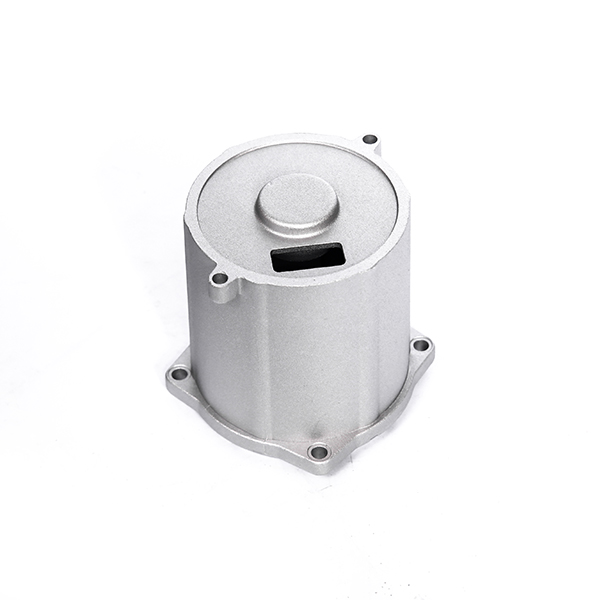
- Design Flexibility Sand casting can accommodate a wide range of shapes and sizes, making it ideal for complex designs that may be challenging to produce with other methods.
- Excellent Surface Quality Although sand casting is often associated with rough surfaces, with the right techniques, it can produce parts with fine surface finishes
.- High Strength and Durability Aluminum is known for its high strength-to-weight ratio, making it suitable for various applications where weight reduction is critical without compromising structural integrity.
- Scalability Sand casting is easily scalable, allowing manufacturers to produce small quantities for prototyping or large volumes for mass production without significant changes to the process.
Applications of Sand-Cast Aluminum
Aluminum sand casting is utilized in numerous industries for various applications, including
- Automotive Components Parts such as engine blocks, transmission housings, and brackets are commonly produced using sand casting, as they require lightweight yet strong materials.
- Aerospace Parts The aerospace industry demands precision and strength, making sand-cast aluminum a popular choice for components like airframe structures, brackets, and landing gear.
- Consumer Goods Everyday products, from cookware to small appliances, often feature sand-cast aluminum components, taking advantage of the benefits offered by this casting method.
Conclusion
Casting aluminum in sand is an integral part of modern manufacturing, providing a reliable, cost-effective solution for producing a wide variety of components across diverse industries. With its ability to create complex shapes and accommodate different production volumes, sand casting continues to be an essential process in the metalworking landscape. As technology advances and new materials and techniques emerge, the future of aluminum sand casting looks promising, ensuring its longevity in the world of industrial manufacturing.
-
Choosing an Engine Storage Crate Cover for Material and EnvironmentNewsNov.23,2026
-
Cylinder Head Chamber Buyers: Check the Casting Specification FirstNewsNov.17,2026
-
How Impeller Casting Manufacturers Match Material, Process and EquipmentNewsNov.15,2026
-
Valve body vs. intake air chamber: Which casting fits your assembly?NewsNov.02,2026
-
Air Intake Chamber FAQ: Specifications, Ordering and Support QuestionsNewsOct.28,2026
-
Motorcycle Accessories FAQ: Specifications, Ordering and Support QuestionsNewsOct.24,2026










