English

Mobile:+86-311-8081-2683
Email:info@ydcastings.com
English
Aluminum Gravity Die Casting Techniques and Applications for Enhanced Performance and Efficiency
Aluminum Gravity Die Casting An Insight into a Precision Manufacturing Process
Aluminum gravity die casting is a prominent manufacturing method used to produce high-quality components with exceptional dimensional accuracy and surface finish. This process is favored across various industries due to its ability to produce intricate shapes and forms from aluminum alloys. As the demand for lightweight and durable materials continues to rise, aluminum gravity die casting emerges as a vital solution in automotive, aerospace, and consumer goods sectors.
At its core, aluminum gravity die casting involves pouring molten aluminum into a reusable mold, or die, under the influence of gravity. The process begins with the preparation of the die, which is usually made from steel or iron for durability and thermal conductivity. These dies are designed to create precise shapes and cavities that define the final product. Because aluminum has a relatively low melting point (around 660 degrees Celsius), it can be easily melted and poured into the die, making it a highly efficient method for producing complex geometries.
One of the key advantages of aluminum gravity die casting lies in its cost-effectiveness. Unlike permanent mold casting methods, which require extensive machining and finishing processes, gravity die casting produces components that often require minimal post-casting work. This efficiency leads to reduced material waste and lower overall production costs. Additionally, the use of reusable molds allows manufacturers to achieve a high volume of components with consistent quality.
Another significant benefit of this casting technique is the mechanical properties of the final products. Aluminum castings exhibit excellent strength-to-weight ratios and corrosion resistance. These properties make them ideal for applications in the automotive industry, where reducing weight without compromising structural integrity is essential. Components such as engine blocks, transmission housings, and structural parts can be efficiently produced through this method, contributing to improved vehicle performance and fuel efficiency.
aluminum gravity die casting
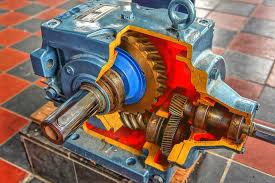
In the aerospace sector, the precision and lightweight nature of aluminum gravity die casting offer manufacturers the ability to produce components that can withstand high stress while minimizing overall weight
. Applications include parts for aircraft engines, landing gears, and various structural components, where safety and reliability are paramount.The process of aluminum gravity die casting typically follows several stages. Initially, the aluminum alloy is melted in a furnace. Once molten, the aluminum is poured into the preheated die. The die's design ensures that the molten metal fills the cavity evenly, allowing for intricate designs. After allowing sufficient cooling time, the die is opened, and the casting is removed. Careful inspection is crucial at this stage to ensure that the part meets specified quality standards.
Advancements in technology have also played a significant role in enhancing the aluminum gravity die casting process. The integration of computer-aided design (CAD) and computer-aided manufacturing (CAM) systems allow for precise mold design and optimization. Additionally, innovations in alloy formulations and treatment processes have improved the performance characteristics of aluminum alloys, leading to even better outcomes in casting.
Sustainability is becoming an increasingly important aspect of manufacturing, and aluminum gravity die casting aligns well with these values. Aluminum itself is highly recyclable, and the casting process generates minimal waste. Manufacturers are increasingly adopting environmentally friendly practices that further reduce the ecological footprint of production.
In conclusion, aluminum gravity die casting is a critical manufacturing technique that combines efficiency, precision, and sustainability. Its ability to produce lightweight, strong components makes it indispensable in various industries, including automotive and aerospace. As technology continues to evolve, so will the applications and effectiveness of this innovative casting process, ensuring its relevance in the future of manufacturing.
-
Choosing an Engine Storage Crate Cover for Material and EnvironmentNewsNov.23,2026
-
Cylinder Head Chamber Buyers: Check the Casting Specification FirstNewsNov.17,2026
-
How Impeller Casting Manufacturers Match Material, Process and EquipmentNewsNov.15,2026
-
Valve body vs. intake air chamber: Which casting fits your assembly?NewsNov.02,2026
-
Air Intake Chamber FAQ: Specifications, Ordering and Support QuestionsNewsOct.28,2026
-
Motorcycle Accessories FAQ: Specifications, Ordering and Support QuestionsNewsOct.24,2026










