English

Mobile:+86-311-8081-2683
Email:info@ydcastings.com
English
super alloy casting
Exploring Super Alloy Casting The Future of Material Engineering
In the realm of material engineering, the quest for high-performance alloys has never ceased. Among various innovations, super alloys stand out for their exceptional mechanical properties and corrosion resistance, making them indispensable in demanding applications such as aerospace, automotive, and energy sectors. Super alloy casting, specifically, has emerged as a significant area of focus for manufacturers and engineers seeking to optimize performance under extreme conditions.
What Are Super Alloys?
Super alloys, also known as high-performance alloys, are a unique class of materials that retain their strength and stability at elevated temperatures. These alloys are primarily composed of nickel, cobalt, or iron, along with various alloying elements such as chromium, molybdenum, and tungsten. The ability of super alloys to withstand extreme environments is attributed to their microstructural characteristics, which include a stable gamma-phase matrix and the formation of precipitates that enhance mechanical properties.
The Casting Process
Casting is one of the fundamental methods for manufacturing super alloys. It involves pouring molten metal into a pre-shaped mold, allowing it to solidify into the desired shape. There are several casting techniques employed in producing super alloys, each serving specific applications and requirements
1. Investment Casting This precision casting method is widely used for complex shapes and tight tolerances. It involves creating a wax pattern that is coated in a ceramic shell. Once the shell is hardened, the wax is melted away, leaving a cavity for molten super alloy to fill. Investment casting is favored in industries such as aerospace where component reliability is critical.
2. Sand Casting Often used for larger components, sand casting involves creating a mold from sand and clay. While it may not achieve the same level of precision as investment casting, it is cost-effective for producing larger parts and is suitable for certain super alloys.
3. Die Casting This method is typically used for producing smaller, high-volume components. The super alloy is injected into a mold under high pressure, resulting in good surface finishes and dimensional accuracy.
Advantages of Super Alloy Casting
super alloy casting
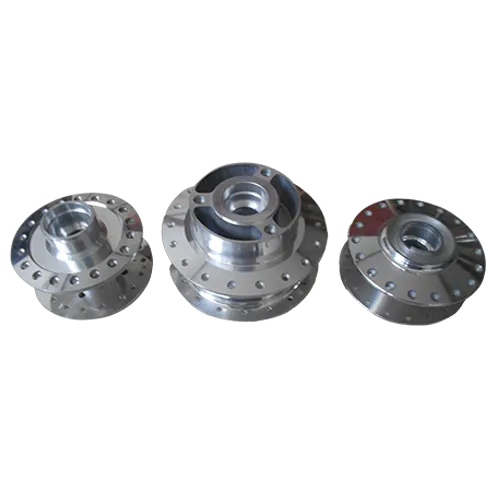
The casting of super alloys presents numerous advantages, making them a preferred choice in various applications
- High Temperature Resistance Super alloys retain their strength and stability even at temperatures exceeding 1000°C. This makes them ideal for turbine engines and other applications exposed to extreme heat.
- Corrosion and Oxidation Resistance Super alloys exhibit excellent resistance to oxidation, reducing the risk of material degradation over time. This property is critical in environments such as gas turbines, where components are exposed to corrosive gases.
- Mechanical Integrity The fine microstructure of cast super alloys enhances their tensile strength and fatigue resistance. This mechanical integrity is vital in dynamic applications where components endure repeated stress cycles.
Challenges and Innovations
While super alloy casting offers remarkable benefits, it is not without challenges. The complexity of alloy design, the casting process, and the need for stringent quality controls necessitate continuous innovation. Issues such as porosity, shrinkage, and inclusions can compromise the integrity of the cast product. To address these concerns, researchers and engineers are investing in advanced casting techniques, including additive manufacturing and real-time monitoring through sensor technology.
Conclusion
The future of super alloy casting looks promising as advancements continue to redefine what is possible in material science. With industries demanding materials that can withstand harsher environments and provide superior performance, super alloys are poised to play an even more significant role. As manufacturers adopt innovative techniques and improve casting methodologies, the potential applications for super alloys are limitless—from next-generation jet engines to cutting-edge energy solutions.
In summary, super alloy casting is not just a process; it is a gateway to enhancing the performance and longevity of components that are indispensable in our modern world. As research progresses and technology evolves, the casting of super alloys will continue to be at the forefront of engineering innovation.
-
Choosing an Engine Storage Crate Cover for Material and EnvironmentNewsNov.23,2026
-
Cylinder Head Chamber Buyers: Check the Casting Specification FirstNewsNov.17,2026
-
How Impeller Casting Manufacturers Match Material, Process and EquipmentNewsNov.15,2026
-
Valve body vs. intake air chamber: Which casting fits your assembly?NewsNov.02,2026
-
Air Intake Chamber FAQ: Specifications, Ordering and Support QuestionsNewsOct.28,2026
-
Motorcycle Accessories FAQ: Specifications, Ordering and Support QuestionsNewsOct.24,2026










