English

Mobile:+86-311-8081-2683
Email:info@ydcastings.com
English
pump body
The Anatomy and Function of the Pump Body
In various mechanical systems, the pump body serves as a crucial component, facilitating the transportation of fluids from one location to another. Understanding the design, function, and significance of the pump body is essential for engineers, technicians, and anyone in fields that utilize fluid dynamics. This article will delve into the structure, types, and applications of the pump body, illustrating its importance in modern engineering.
Structure of the Pump Body
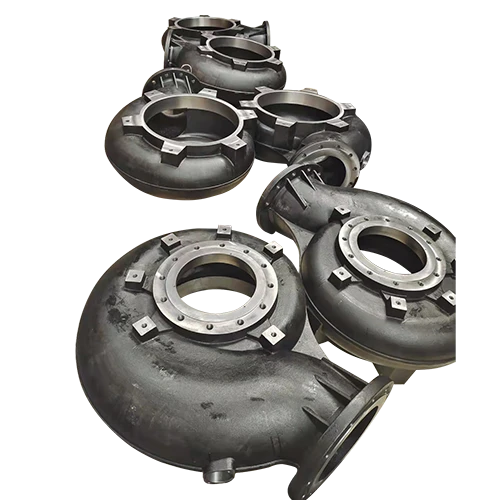
The pump body is essentially the casing that houses various internal components, including the impeller, volute, and motor. Typically constructed from durable materials such as cast iron, stainless steel, or composite plastics, the choice of material often depends on the fluid being pumped and the environmental conditions. The pump body is designed to withstand high pressures and corrosive fluids, ensuring efficient operation under varying conditions.
The shape of the pump body is crucial for its function. It often features an inlet, where the fluid enters, and an outlet, from which the fluid is expelled. The internal geometry is engineered to optimize flow dynamics, reduce turbulence, and enhance the overall efficiency of the pump. A well-designed pump body minimizes energy loss, allowing for a more effective transfer of kinetic energy from the impeller to the fluid.
Types of Pump Bodies
Pump bodies come in various forms based on their intended applications. The two primary categories are centrifugal pumps and positive displacement pumps.
1. Centrifugal Pumps The centrifugal pump body is characterized by a rotating impeller that increases the velocity of the fluid. As the impeller spins, fluid is drawn into the pump body and expelled through the outlet, propelled by the centrifugal force. These types of pumps are commonly used in water supply, wastewater management, and industrial applications due to their efficiency in moving large volumes of fluid.
2. Positive Displacement Pumps In contrast, the pump body of a positive displacement pump pushes a fixed amount of fluid with each cycle. This type of pump is ideal for applications requiring a consistent flow rate, such as in hydraulic systems or when handling viscous fluids. The design of the pump body for these types often includes gears, vanes, or diaphragms to accomplish this.
pump body
Applications of Pump Bodies
The applications of pump bodies are extensive and span across various industries. In the agricultural sector, for example, pump bodies are fundamental for irrigation systems, helping to transport water from sources to crops. In the energy industry, they are employed in oil refining and natural gas production, where the movement of fluids is paramount.
Furthermore, in the pharmaceutical and chemical industries, precision pump bodies are used to handle often corrosive or sensitive substances, highlighting the need for specialized materials and designs. The food and beverage industry also relies on pump bodies to transport liquids while adhering to strict hygiene and safety standards.
Maintenance and Longevity
For optimal performance, regular maintenance of the pump body is vital. Issues such as wear and tear, corrosion, and blockages can compromise the efficiency and functionality of the pump. Routine checks and timely repairs can significantly extend the lifespan of the pump body and improve its reliability.
Furthermore, advancements in technology, such as smart monitoring systems, can aid in predictive maintenance, allowing operators to address potential issues before they escalate. By utilizing sensors to monitor pressure, flow rates, and vibrations, maintenance can be conducted proactively, thereby enhancing the operational efficiency of pumping systems.
Conclusion
The pump body is a fundamental component in a wide array of fluid transport systems. Its design, material composition, and functionality directly impact the overall efficiency and efficacy of pumping processes. Whether in agriculture, industry, or household applications, understanding the significance of the pump body aids in optimizing performance and ensuring the reliable operation of fluid transport systems. As technology continues to advance, the design and capabilities of pump bodies will evolve, promising even greater efficiency and sustainability in fluid management.
-
Choosing an Engine Storage Crate Cover for Material and EnvironmentNewsNov.23,2026
-
Cylinder Head Chamber Buyers: Check the Casting Specification FirstNewsNov.17,2026
-
How Impeller Casting Manufacturers Match Material, Process and EquipmentNewsNov.15,2026
-
Valve body vs. intake air chamber: Which casting fits your assembly?NewsNov.02,2026
-
Air Intake Chamber FAQ: Specifications, Ordering and Support QuestionsNewsOct.28,2026
-
Motorcycle Accessories FAQ: Specifications, Ordering and Support QuestionsNewsOct.24,2026










