English

Mobile:+86-311-8081-2683
Email:info@ydcastings.com
English
Innovative Techniques in Steel Sand Casting for Enhanced Durability and Precision
Steel Sand Casting A Comprehensive Overview
Steel sand casting is a widely used manufacturing process that plays a pivotal role in creating complex metal components for various industries. This method combines the advantages of sand casting with the unique properties of steel, resulting in components that are not only strong but also highly adaptable to specialized applications. The process is valued for its cost-effectiveness, versatility, and ability to produce intricate designs.
The Sand Casting Process
Sand casting involves several key steps pattern making, molding, melting, pouring, and finishing. The process begins with the creation of a pattern that represents the desired final product. This pattern is typically made from metal, wood, or plastic and is used to create a mold in the sand. The sand is mixed with a binding agent, usually clay, to form a mold that can withstand the molten steel’s heat.
Once the mold is prepared, steel is melted in a furnace at high temperatures, typically above 1500°C (2732°F). The molten steel is then carefully poured into the prepared sand mold. After the steel cools and solidifies, the mold is broken apart, and the final casting is extracted. The casting may undergo further processes such as trimming, grinding, and surface finishing to meet specific design and functional requirements.
Advantages of Steel Sand Casting
1. Design Flexibility Steel sand casting allows for intricate designs and complex geometries that would be challenging to achieve with other manufacturing processes. This flexibility is critical in industries such as automotive, aerospace, and marine, where custom parts are often required.
2. Material Properties Steel, being an alloy of iron, has superior strength and durability compared to many other metals. Steel sand castings can withstand significant stress and impact, making them ideal for heavy-duty applications.
3. Cost-Effectiveness One of the primary advantages of sand casting is its lower production costs, especially for large parts or small production runs. The reusable nature of sand molds also contributes to cost savings over time.
4. Versatility Steel sand casting can be utilized for a wide range of products, from small components to large machine parts. This versatility is a significant factor in its continued popularity across various sectors.
Applications of Steel Sand Casting
steel sand casting
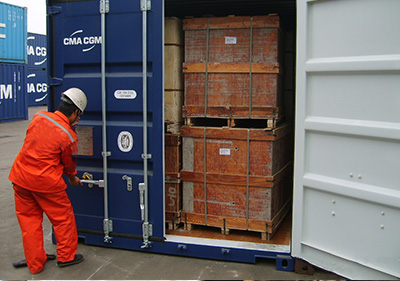
Steel sand casting finds applications in numerous industries. In the automotive sector, it is used for producing components such as engine blocks, transmission cases, and suspension parts. The aerospace industry also relies on this technique for creating lightweight yet robust parts that must meet strict regulatory standards.
Additionally, the power generation sector utilizes steel sand casting for turbine components, while the agricultural industry benefits from this method for producing durable machinery parts
. The construction sector also makes use of steel sand casting for items such as framework components and structural supports.Challenges and Considerations
Despite its many advantages, steel sand casting is not without its challenges. The quality of the final product can be affected by various factors, including the quality of the sand used, the accuracy of the mold, and the control of the cooling process. Casting defects such as porosity, shrinkage, and inclusions can occur if proper techniques are not followed.
Moreover, the preparation of molds can be time-consuming and labor-intensive, particularly for highly complex shapes. Advances in technology, such as computer-aided design (CAD) and computer-aided manufacturing (CAM), have helped to mitigate some of these issues by improving design accuracy and process efficiency.
Future Trends
Looking ahead, the steel sand casting industry is witnessing a shift towards automation and digitization, driven by advancements in Industry 4.0 technologies. Smart manufacturing concepts, including the use of sensors and data analytics, are enhancing process control and quality assurance. Additionally, there is an increasing emphasis on sustainability, with initiatives aimed at reducing waste and promoting the recycling of materials.
Furthermore, ongoing research and development efforts are focused on innovative alloy compositions and treatments that can enhance the performance of sand-cast steel components, ensuring that they meet the evolving demands of modern applications.
Conclusion
In conclusion, steel sand casting remains a vital process in manufacturing, offering a unique blend of strength, versatility, and cost-effectiveness. As industries continue to pursue more complex designs and higher performance standards, the role of steel sand casting is likely to expand, supported by technological advancements and a commitment to sustainability. Its adaptability makes it an invaluable process for producing a wide range of high-quality metal components across various sectors.
-
Choosing an Engine Storage Crate Cover for Material and EnvironmentNewsNov.23,2026
-
Cylinder Head Chamber Buyers: Check the Casting Specification FirstNewsNov.17,2026
-
How Impeller Casting Manufacturers Match Material, Process and EquipmentNewsNov.15,2026
-
Valve body vs. intake air chamber: Which casting fits your assembly?NewsNov.02,2026
-
Air Intake Chamber FAQ: Specifications, Ordering and Support QuestionsNewsOct.28,2026
-
Motorcycle Accessories FAQ: Specifications, Ordering and Support QuestionsNewsOct.24,2026










