English

Mobile:+86-311-8081-2683
Email:info@ydcastings.com
English
propeller type impeller
Understanding Propeller Type Impellers Design, Functionality, and Applications
In the realm of fluid mechanics and engineering, propeller-type impellers play a critical role in the efficient movement of liquids and gases. These impellers, designed to transfer energy from a motor to a fluid, ensure effective mixing, pumping, and aeration processes across various industries. This article explores the design, functionality, and applications of propeller-type impellers, underscoring their significance in modern engineering.
Design of Propeller Type Impellers
Propeller-type impellers are characterized by their blade design, which resembles that of a traditional aircraft propeller. Typically, these impellers consist of blades that are either fixed or adjustable in pitch, allowing for adaptability depending on the specific application. The shape, angle, and number of blades can vary widely, impacting the impeller's performance in terms of flow rate, efficiency, and mixing capabilities.
The choice of materials is another crucial aspect of the design. Stainless steel, bronze, and various plastics are commonly used due to their resistance to corrosion and wear, especially in harsh environments like wastewater treatment facilities or chemical processing plants. Furthermore, the diameter and length of the blades can be tailored to meet specific operational requirements, making propeller-type impellers highly versatile.
Functionality of Propeller Type Impellers
The primary function of a propeller-type impeller is to generate fluid motion through rotational energy. When the impeller blades rotate, they create a low-pressure area at the inlet, drawing fluid into the impeller. As the fluid moves through the blades, it is accelerated and directed outward, resulting in increased pressure and flow velocity. This mechanism is essential in applications requiring precise mixing and stable flow conditions.
Propeller type impellers are particularly favored for their ability to manage large volumes of fluid efficiently. They excel in creating axial flow, which is the movement of fluid along the axis of the impeller. This is advantageous in applications where gentle mixing is required, such as in the mixing of delicate biological cultures in fermentation processes or the blending of various liquids without introducing turbulence.
propeller type impeller
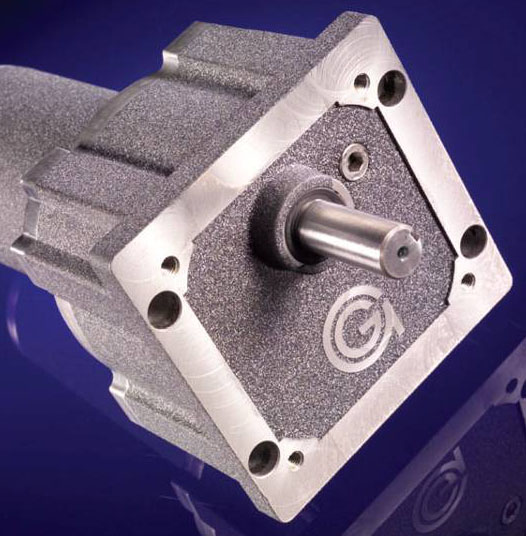
Another notable feature of propeller type impellers is their ability to function effectively in both submerged and partially submerged conditions. In the case of submerged operations, the impeller can provide thorough mixing and aeration, vital for processes like aerobic digestion in wastewater treatment. Conversely, in partially submerged conditions, they can help in surface aeration, crucial for maintaining adequate oxygen levels in bodies of water for aquatic life.
Applications of Propeller Type Impellers
The applications of propeller-type impellers are vast, spanning several industries. In the agricultural sector, they are used in irrigation systems for efficient water movement and distribution. Their capability to blend chemicals makes them indispensable in the chemical processing industry, ensuring homogenous solutions crucial for product consistency.
In the food and beverage industry, propeller-type impellers facilitate the mixing of ingredients, promoting even dough consistency or uniformity in beverages. Their effective aeration qualities are utilized in brewing, where oxygenation is vital for yeast activity.
Moreover, in the realm of wastewater treatment, propeller impellers help in aerating and mixing sludge, allowing for optimal microbial activity essential for decomposition. The pharmaceutical sector also benefits from their use, particularly in the mixing of suspensions and emulsions where precision in formulation is critical.
Conclusion
In summary, propeller type impellers are a fundamental component of many industrial processes, providing essential fluid movement and mixing capabilities. Their design is optimized for efficiency, adaptability, and durability, allowing them to operate effectively across a range of challenging environments. As industries continue to evolve, the significance of these impellers in promoting efficiency and innovation remains paramount. Furthermore, ongoing advancements in materials and engineering techniques will likely enhance their performance and broaden their applications, ensuring that propeller-type impellers will continue to be a cornerstone of modern fluid dynamics engineering.
-
Choosing an Engine Storage Crate Cover for Material and EnvironmentNewsNov.23,2026
-
Cylinder Head Chamber Buyers: Check the Casting Specification FirstNewsNov.17,2026
-
How Impeller Casting Manufacturers Match Material, Process and EquipmentNewsNov.15,2026
-
Valve body vs. intake air chamber: Which casting fits your assembly?NewsNov.02,2026
-
Air Intake Chamber FAQ: Specifications, Ordering and Support QuestionsNewsOct.28,2026
-
Motorcycle Accessories FAQ: Specifications, Ordering and Support QuestionsNewsOct.24,2026










