English

Mobile:+86-311-808-126-83
Email:info@ydcastings.com
English
stainless steel casting molds
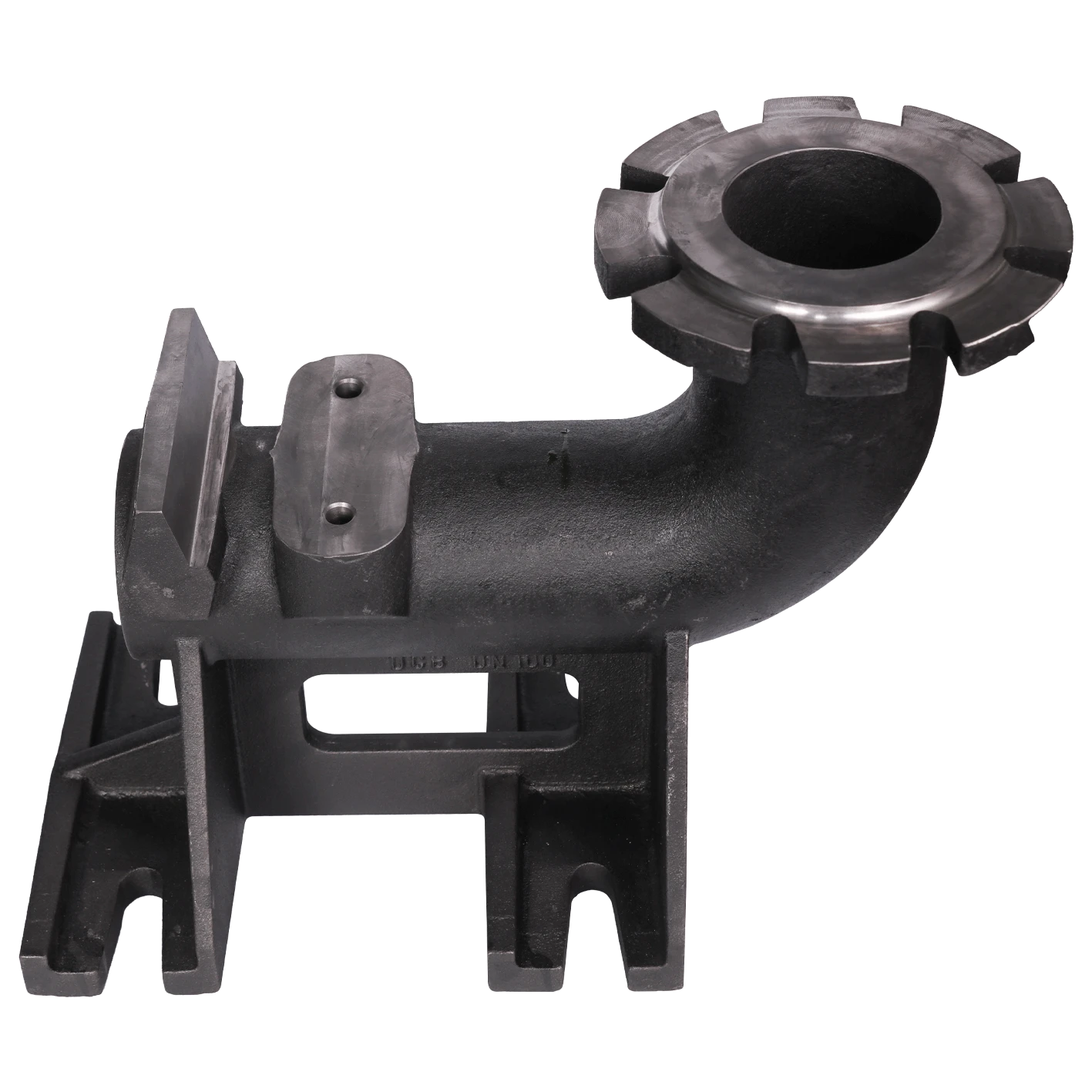
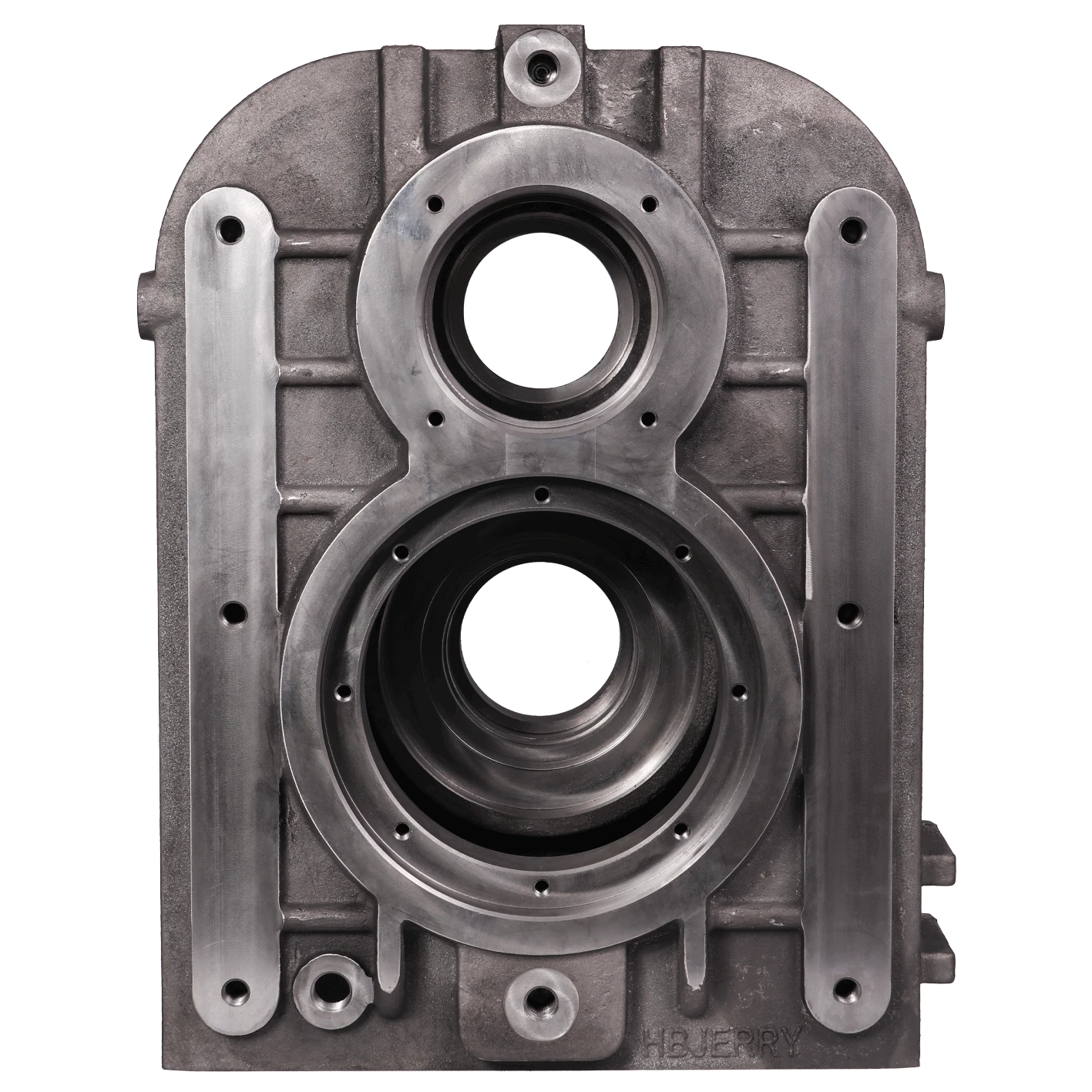
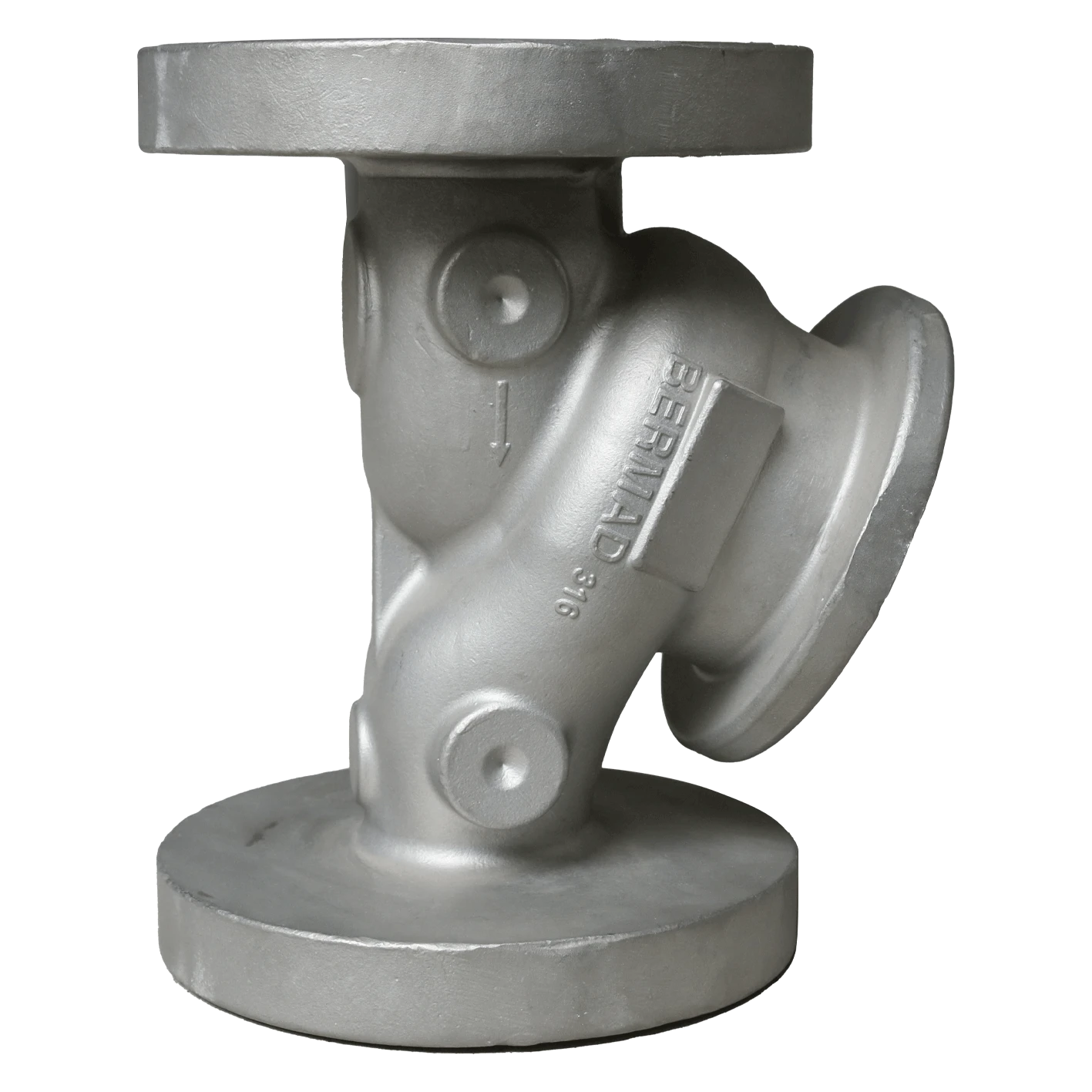
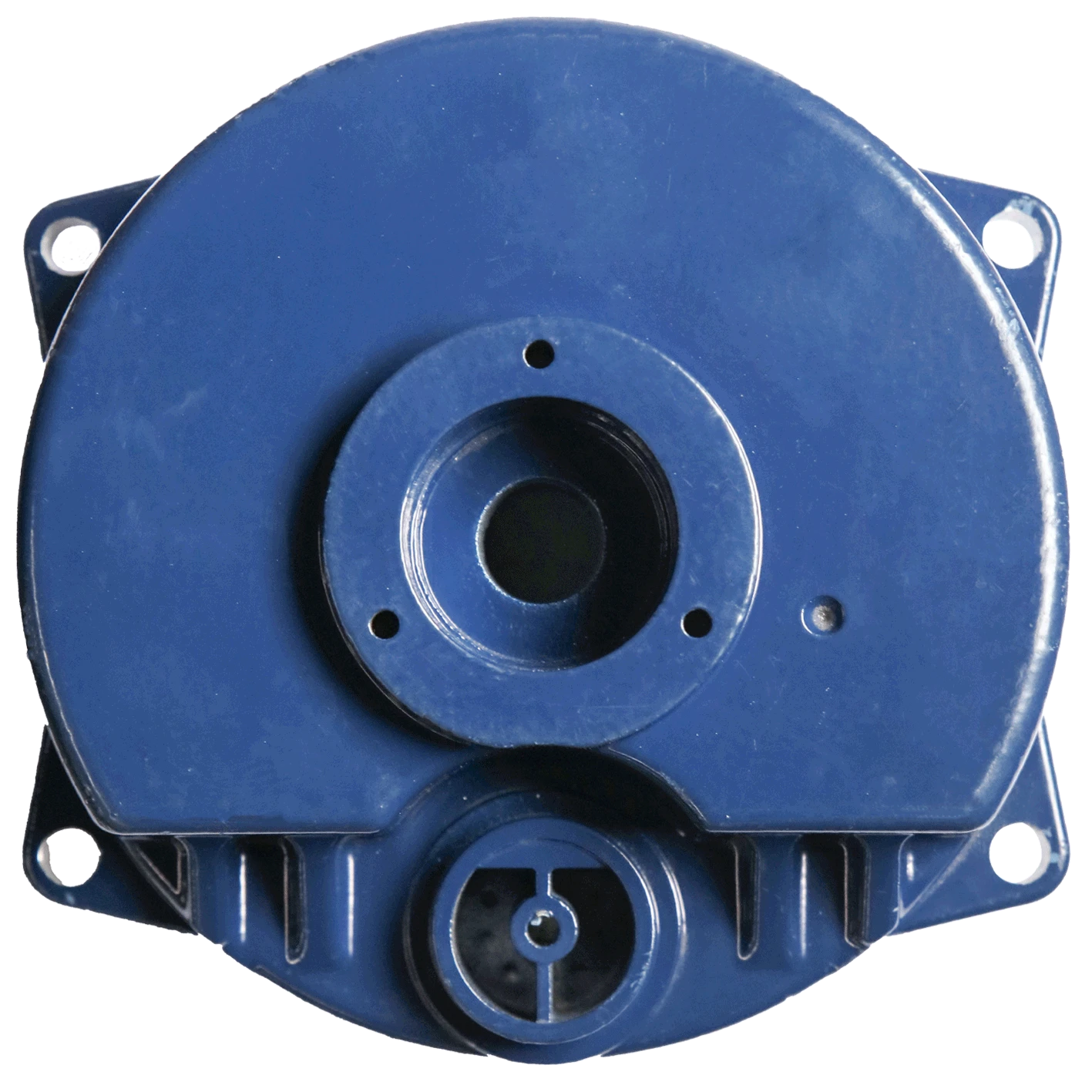
Stainless Steel Casting Molds A Comprehensive Overview
Stainless steel casting molds play a crucial role in the manufacturing industry, particularly in applications that require high durability, corrosion resistance, and precision. Casting itself is one of the oldest manufacturing processes known to humans, encompassing a variety of methods for producing metal parts. This technique involves pouring molten metal into a mold, where it cools and solidifies into the desired shape. Stainless steel molds, in particular, have garnered significant attention due to their unique properties and advantages over traditional materials like iron or aluminum.
One of the primary benefits of using stainless steel for casting molds is its resistance to corrosion. In environments where exposure to moisture or chemicals is common, stainless steel offers an excellent barrier against oxidation, ensuring that molds maintain their integrity over time. This quality not only enhances the longevity of the molds but also reduces maintenance costs associated with mold replacements or repairs. Additionally, stainless steel is known for its ability to withstand high temperatures, making it suitable for various casting processes, including investment casting, sand casting, and die casting.
Precision is a vital factor when considering molds for casting applications. Stainless steel can be manufactured to exacting tolerances, allowing for the creation of intricate designs and complex geometries. This precision is essential in industries such as aerospace, automotive, and medical devices, where even the slightest deviation can lead to failure or safety hazards. Moreover, stainless steel molds can achieve a superior finish compared to those made from other materials, resulting in a better surface quality for the final cast products.
Another notable advantage of stainless steel casting molds is their recyclability. As sustainability becomes an increasingly important concern in manufacturing processes, the ability to recycle stainless steel molds presents a significant benefit. When molds reach the end of their lifecycle, they can be melted down and repurposed for new applications, minimizing waste and contributing to a circular economy. This aspect aligns with the growing demand for environmentally friendly practices within the global manufacturing sector.
stainless steel casting molds
While the advantages of stainless steel casting molds are considerable, there are also challenges associated with their use. One of the primary concerns is the higher initial cost compared to molds made from materials like aluminum or epoxy. Stainless steel requires more energy and resources to produce, which can translate to a higher price point for manufacturers. However, when considering the total cost of ownership, which includes maintenance, durability, and performance, the investment in stainless steel molds often proves to be justified in the long run.
The manufacturing process for stainless steel casting molds typically involves several key steps. Initially, a design must be created, often through computer-aided design (CAD) software, to ensure accuracy and functionality. Once the design is finalized, it is used to create a pattern, which is usually made from a material that can withstand the high temperatures of molten metal. This pattern is then coated with a refractory material to form the mold itself.
After the mold is prepared, molten stainless steel is poured into the cavity and allowed to cool and solidify. The cooling time can vary depending on the complexity and thickness of the mold. Once the casting process is complete, the mold is carefully opened, and the final product is removed. This process requires skilled labor to ensure that all steps adhere to safety and quality standards.
In conclusion, stainless steel casting molds represent a vital component of modern manufacturing. Their durability, precision, and resistance to corrosion make them suitable for a wide range of applications across various industries. While the initial costs may be higher, the long-term benefits of using stainless steel molds, including recyclability and enhanced surface quality, make them a worthwhile investment. As technology and techniques continue to evolve, the role of stainless steel casting molds will likely expand, paving the way for more innovative and sustainable manufacturing processes. The future of stainless steel casting molds appears bright, promising improvements in efficiency, performance, and environmental responsibility.
-
Advanced Manufacturing Technologies in Modern Industrial ProductionNewsMay.22,2026
-
Engine Oil Management Tools: Essential Solutions for Clean and Efficient Automotive MaintenanceNewsMay.22,2026
-
Car Water Pump Systems: Efficiency, Cleaning Applications, and Market OverviewNewsMay.22,2026
-
Industrial Valve Castings and Flow Control Solutions in Modern EngineeringNewsMay.22,2026
-
Aluminum End Caps and Compression Solutions: A Complete Guide for Modern ApplicationsNewsMay.22,2026
-
Precision Valve Castings for Agricultural Irrigation and Fluid Control SystemsNewsMay.08,2026