English

Mobile:+86-311-808-126-83
Email:info@ydcastings.com
English
32mm End Cap for Piping Solutions Ideal for Home and Industrial Applications
Understanding the Significance of 32mm End Caps in Pipeline Systems
In the world of industrial piping and plumbing, the use of fittings and accessories is essential for ensuring the integrity, efficiency, and longevity of systems. One such accessory that plays a pivotal role is the end cap, particularly the 32mm end cap. This component, often overlooked, is crucial for a variety of applications, from residential plumbing to large-scale industrial systems. Understanding its functions, materials, and installation processes can greatly enhance the effectiveness of your piping systems.
What is a 32mm End Cap?
A 32mm end cap is a type of fitting designed to close the end of a pipe with a diameter of 32 millimeters. It serves multiple purposes, including preventing leaks, maintaining pressure, and protecting the internal surface of the pipe from contaminants. End caps can be found in various materials such as PVC, metal, and ABS, each offering distinct advantages based on the application's requirements.
Applications of 32mm End Caps
1. Plumbing Systems In residential settings, 32mm end caps are commonly used to seal off pipes that are no longer in use, preventing water leaks and keeping the plumbing system functioning efficiently.
2. Irrigation and Drainage In agricultural settings, these end caps help manage water flow in irrigation systems. They can be used to cap off outlets in a drainage system, ensuring that water is directed appropriately and preventing erosion.
3. Industrial Uses In manufacturing and industrial environments, 32mm end caps play a crucial role in the assembly of piping systems. They can be used to create pressure-tight seals in fluid transfer systems, essential for maintaining safety and operational efficiency.
Materials Used in 32mm End Caps
The choice of material for an end cap is vital and depends on factors such as temperature, pressure, and the types of fluids being transported. Here are some common materials for 32mm end caps
- PVC (Polyvinyl Chloride) Widely used due to its lightweight and corrosion-resistant properties. PVC end caps are ideal for a variety of applications, including drainage and venting systems.
32mm end cap
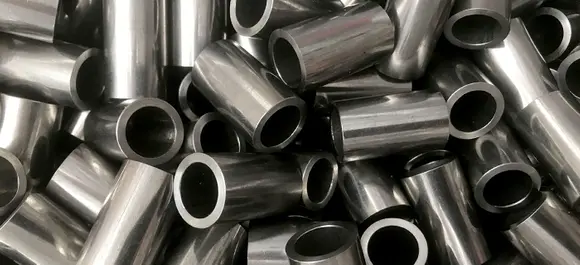
- Metal End caps made from materials like stainless steel or copper are often used in high-pressure applications. Metal caps provide enhanced durability and strength, making them suitable for demanding environments.
- ABS (Acrylonitrile Butadiene Styrene) Similar to PVC, ABS is used for its strength and resistance to impact and chemical corrosion. ABS end caps are often utilized in drainage systems.
Installation Process
Installing a 32mm end cap is usually a straightforward process, although it requires attention to detail to ensure a proper seal
1. Prepare the Pipe Ensure the end of the pipe is clean and free from any debris or moisture. This will promote better adhesion if you are using a solvent cement for PVC.
2. Apply the End Cap Place the end cap onto the pipe, ensuring it fits snugly. If using PVC, apply solvent cement evenly around the pipe end before pushing the cap on.
3. Secure the Connection For metal pipes, a threaded end cap may be used, which requires tightening. For PVC or ABS, allow the cement to cure as per manufacturer instructions.
4. Test the Seal Once installed, it’s crucial to test the system for leaks by running water through the pipes and checking for any signs of dampness around the end cap.
Conclusion
The 32mm end cap, though a small component, is integral to the overall functionality of piping systems. Its ability to provide a secure seal, prevent leaks, and protect pipes from environmental factors cannot be understated. By understanding the applications, materials, and installation processes associated with end caps, users can significantly improve the reliability and efficiency of their plumbing and industrial systems. Investing time in selecting the right end cap material and ensuring proper installation will yield long-term benefits, making it a worthy consideration in any piping project.
-
Advanced Manufacturing Technologies in Modern Industrial ProductionNewsMay.22,2026
-
Engine Oil Management Tools: Essential Solutions for Clean and Efficient Automotive MaintenanceNewsMay.22,2026
-
Car Water Pump Systems: Efficiency, Cleaning Applications, and Market OverviewNewsMay.22,2026
-
Industrial Valve Castings and Flow Control Solutions in Modern EngineeringNewsMay.22,2026
-
Aluminum End Caps and Compression Solutions: A Complete Guide for Modern ApplicationsNewsMay.22,2026
-
Precision Valve Castings for Agricultural Irrigation and Fluid Control SystemsNewsMay.08,2026