English

Mobile:+86-311-8081-2683
Email:info@ydcastings.com
English
stainless steel casting
The Prominence of Stainless Steel Casting in Modern Manufacturing
Stainless steel casting has emerged as a cornerstone of modern manufacturing, playing an instrumental role across various industries, including automotive, aerospace, medical, and construction. Its unique properties and versatile applications demonstrate why stainless steel casting is increasingly favored by manufacturers seeking durability, corrosion resistance, and aesthetic appeal.
Understanding Stainless Steel Casting
Stainless steel casting is a manufacturing process in which molten stainless steel is poured into a mold to form specific shapes and parts. This casting method is particularly valued for its ability to produce complex geometries that would be challenging or impossible to achieve using traditional machining methods. The process typically involves several steps, including mold creation, metal melting, pouring, and finishing.
The casting technique can involve different methods such as investment casting, sand casting, or die casting, each with its own inherent advantages. Investment casting is often preferred for its precision and ability to create intricate designs, making it common in the aerospace and medical industries where accuracy is paramount. Conversely, sand casting is generally more cost-effective for larger parts or lower production quantities, serving industries like construction and heavy machinery.
Properties of Stainless Steel
The primary reason stainless steel is chosen for casting lies in its composition, which typically includes iron, chromium, nickel, and various other elements. The presence of chromium provides stainless steel with its renowned corrosion resistance, allowing it to withstand harsh environments and various chemical exposures. Additionally, stainless steel exhibits high strength and toughness, making it ideal for high-stress applications.
Another significant feature of stainless steel is its aesthetic qualities. With a smooth, shiny finish, stainless steel parts not only serve functional purposes but also contribute to visually appealing designs. This is particularly important in consumer applications, where the appearance of a product can significantly influence purchasing decisions.
Applications of Stainless Steel Casting
stainless steel casting
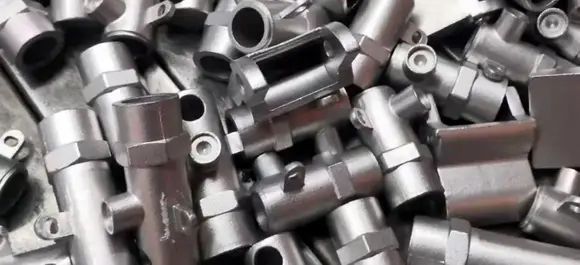
The applications of stainless steel casting are vast and varied. In the aerospace industry, components such as turbine housings, support brackets, and engine mounts must maintain structural integrity and endure extreme temperatures. Stainless steel’s resilience makes it a material of choice in this field, ensuring safety and reliability.
In the medical sector, stainless steel is commonly utilized for surgical instruments, implants, and other medical devices. The material’s biocompatibility and ease of sterilization make it ideal for products that come into contact with the human body. Furthermore, its corrosion resistance is crucial for maintaining hygiene and ensuring patient safety.
The automotive industry has also embraced stainless steel casting, using it for engine components, exhaust systems, and decorative trim. These parts must withstand high temperatures and corrosive environments, highlighting the importance of stainless steel’s durability. As vehicle manufacturers increasingly focus on sustainability and fuel efficiency, lightweight stainless steel components are gaining popularity due to their combination of strength and reduced weight.
Economic and Environmental Considerations
The economic viability of stainless steel casting is another reason for its growing popularity. While initial costs may be higher compared to other materials, the long-term benefits outweigh these expenses. Stainless steel components require less maintenance, resist wear and tear, and have a longer lifespan than those made from other metals. This longevity translates to cost savings for manufacturers and end-users alike.
From an environmental perspective, stainless steel is 100% recyclable, making it an eco-friendly choice in a world increasingly focused on sustainability. The recycling process requires significantly less energy compared to the production of new stainless steel, thus reducing carbon footprints and resource consumption.
Conclusion
In conclusion, stainless steel casting stands as a testament to the innovation and adaptability of modern manufacturing. With its unique properties, broad applications, and economic advantages, it continues to be a preferred choice across various industries. As technology advances and the demand for efficient, sustainable solutions grows, the role of stainless steel casting is poised to expand further, ensuring its place at the forefront of manufacturing for years to come. The blend of functionality, aesthetics, and sustainability makes stainless steel casting not just a practical option, but a vital component of contemporary industrial practices.
-
Choosing an Engine Storage Crate Cover for Material and EnvironmentNewsNov.23,2026
-
Cylinder Head Chamber Buyers: Check the Casting Specification FirstNewsNov.17,2026
-
How Impeller Casting Manufacturers Match Material, Process and EquipmentNewsNov.15,2026
-
Valve body vs. intake air chamber: Which casting fits your assembly?NewsNov.02,2026
-
Air Intake Chamber FAQ: Specifications, Ordering and Support QuestionsNewsOct.28,2026
-
Motorcycle Accessories FAQ: Specifications, Ordering and Support QuestionsNewsOct.24,2026










