English

Mobile:+86-311-8081-2683
Email:info@ydcastings.com
English
impeller closed
Understanding Closed Impeller Design in Pump Technology
In the world of pump technology, the closed impeller design holds a prominent position due to its efficiency and effectiveness in various applications. Impellers are critical components within pumps, tasked with converting mechanical energy from the motor into hydraulic energy, enabling the movement of fluids. Closed impellers, characterized by their fully enclosed blades, offer several advantages over their open counterparts, making them a preferred choice in many industrial applications.
What is a Closed Impeller?
A closed impeller is defined by its configuration, where the blades are situated between two flat surfaces (or shrouds) that enclose the impeller's outer edges. This design contrasts sharply with open impellers, which lack the covering plate and have blades exposed to the fluid. The closed impeller's design is optimized to deliver higher efficiency, better performance, and improved durability, making it suitable for handling various types of liquids.
Advantages of Closed Impellers
1. Higher Efficiency One of the most significant benefits of closed impellers is their higher hydraulic efficiency. The enclosed design reduces turbulence and recirculation of the fluid, allowing for smoother flow and better energy transfer. This efficiency translates into lower operational costs and enhanced performance, making closed impellers ideal for applications that require consistent flow rates and pressures.
2. Better Pressure Generation Closed impellers are capable of generating higher pressures compared to open impellers. The enclosed space allows the fluid to gain kinetic energy more effectively, which is crucial for applications needing to transport fluids over long distances or to elevated locations. This capability makes closed impellers suitable for water treatment, HVAC systems, and various industrial processes that demand robust fluid movement.
3. Versatility in Fluid Handling Closed impellers can effectively handle a wide range of fluids, including slurries, viscous liquids, and clear fluids. Their ability to maintain performance in diverse conditions makes them valuable across various sectors, including chemical processing, food and beverage, pharmaceuticals, and wastewater management.
4. Reduced Wear and Tear The enclosed blades of a closed impeller can help minimize wear caused by solid particles in the fluid. The design provides a more stable flow path, reducing the likelihood of cavitation and erosion. This durability contributes to longer lifespans for pumps equipped with closed impellers and can lead to lower maintenance costs over time.
impeller closed
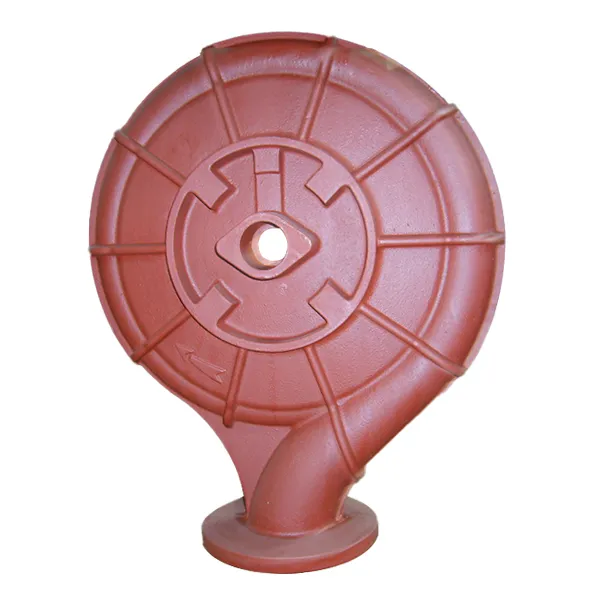
5. Improved Priming Characteristics Closed impellers also exhibit better priming characteristics compared to open designs. Their configuration helps maintain a positive pressure within the pump casing, facilitating easier priming and ensuring reliable operation.
Applications of Closed Impellers
The versatility of closed impellers allows them to be utilized in numerous applications across various industries. They are commonly found in
- Water and Wastewater Treatment In municipal water supply systems, closed impellers help transport treated water efficiently while managing the challenges associated with varying water quality and flow rates.
- Chemical Processing The closed impeller design is apt for handling corrosive or abrasive materials, ensuring safety and reliability in chemical production and processing.
- HVAC Systems In heating, ventilation, and air conditioning setups, closed impellers provide the necessary airflow while maintaining energy efficiency.
- Food and Beverage Industry Closed impellers are crucial for processes requiring hygienic transport of liquids, ensuring compliance with safety standards while maintaining fluid quality.
Conclusion
The closed impeller design is a testament to the advancements in pump technology, providing a reliable and efficient solution for fluid handling challenges across various applications. With their superior efficiency, pressure capabilities, and durability, closed impellers continue to play a vital role in industries that prioritize performance and cost-effectiveness. As technology progresses and demands evolve, the innovation surrounding closed impeller designs is likely to lead to even more efficient and versatile pumping solutions in the future.
-
Choosing an Engine Storage Crate Cover for Material and EnvironmentNewsNov.23,2026
-
Cylinder Head Chamber Buyers: Check the Casting Specification FirstNewsNov.17,2026
-
How Impeller Casting Manufacturers Match Material, Process and EquipmentNewsNov.15,2026
-
Valve body vs. intake air chamber: Which casting fits your assembly?NewsNov.02,2026
-
Air Intake Chamber FAQ: Specifications, Ordering and Support QuestionsNewsOct.28,2026
-
Motorcycle Accessories FAQ: Specifications, Ordering and Support QuestionsNewsOct.24,2026










