English

Mobile:+86-311-808-126-83
Email:info@ydcastings.com
English
Understanding the Properties and Applications of Stainless Steel 1.4308 in Various Industries
Understanding Stainless Steel 1.4308 Composition, Properties, and Applications
Stainless steel is an essential material in various industries due to its impressive mechanical properties and resistance to corrosion. One specific grade, 1.4308, is a notable variant that combines excellent strength, durability, and aesthetic appeal, making it a popular choice among engineers and manufacturers. This article delves into the composition, properties, and applications of stainless steel 1.4308.
Composition
Stainless steel 1.4308 is categorized under the austenitic stainless steels, which are known for their high chromium and nickel content. Typically, 1.4308 contains approximately 18% chromium (Cr) and 8% nickel (Ni), along with traces of other elements such as manganese (Mn), phosphorous (P), sulfur (S), and carbon (C). The balanced composition gives it a refined level of corrosion resistance while ensuring high tensile strength.
The carbon content is usually kept low (less than 0.08%), which enhances its weldability and reduces the risk of carbide precipitation during welding processes. This absence of carbides is crucial for applications demanding high structural integrity and resistance to stress corrosion cracking.
Properties
One of the most significant advantages of stainless steel 1.4308 is its excellent corrosion resistance, which stems from its high chromium content. It can withstand a variety of harsh environments, including exposure to acids, bases, and chlorides. This property is vital for industries such as chemical processing, food production, and marine applications, where materials are frequently exposed to corrosive substances.
Additionally, 1.4308 exhibits superior mechanical properties, including high tensile strength and elongation. Its ductility allows it to be easily formed into various shapes and sizes, making it ideal for parts that need to be manipulated into specific designs without compromising structural integrity.
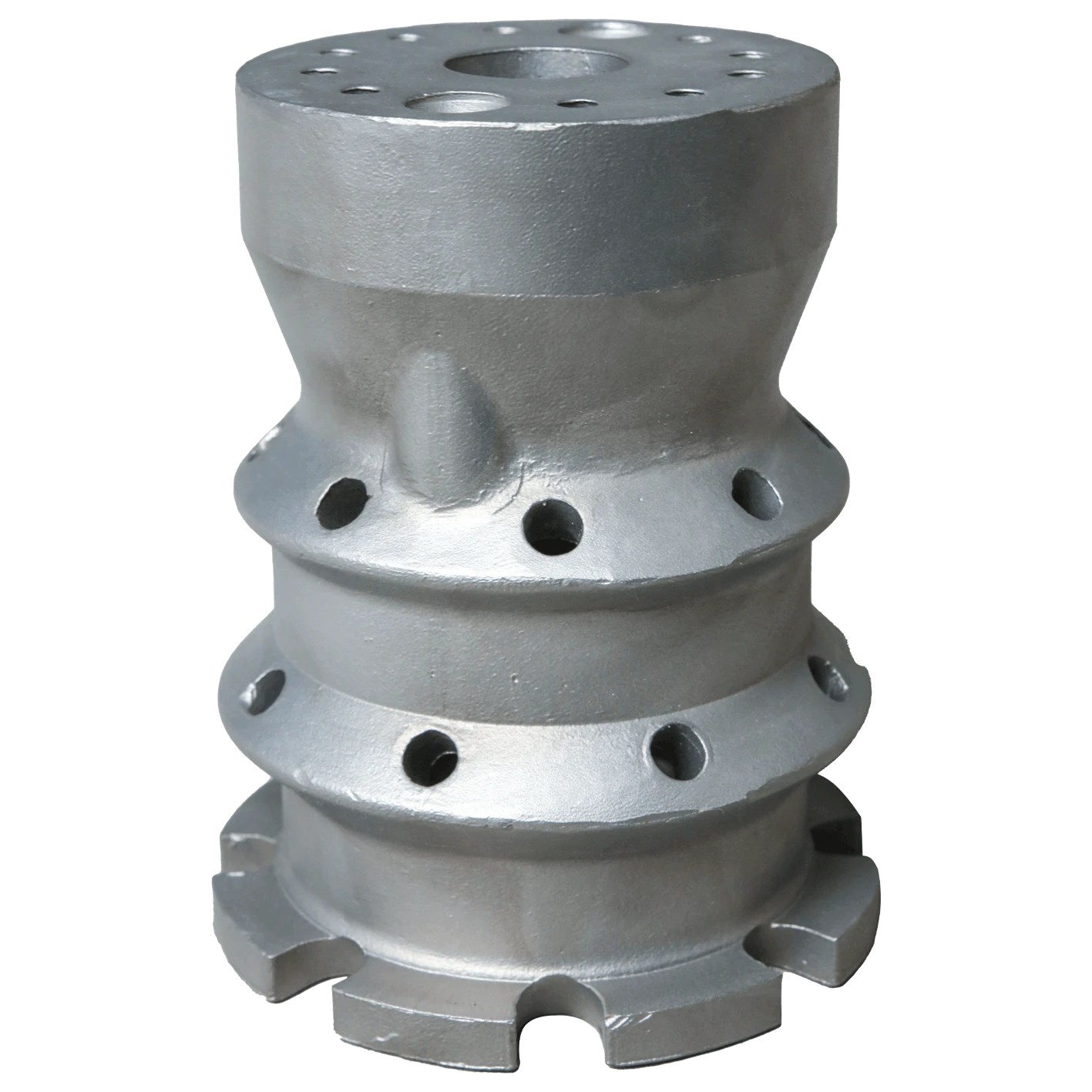
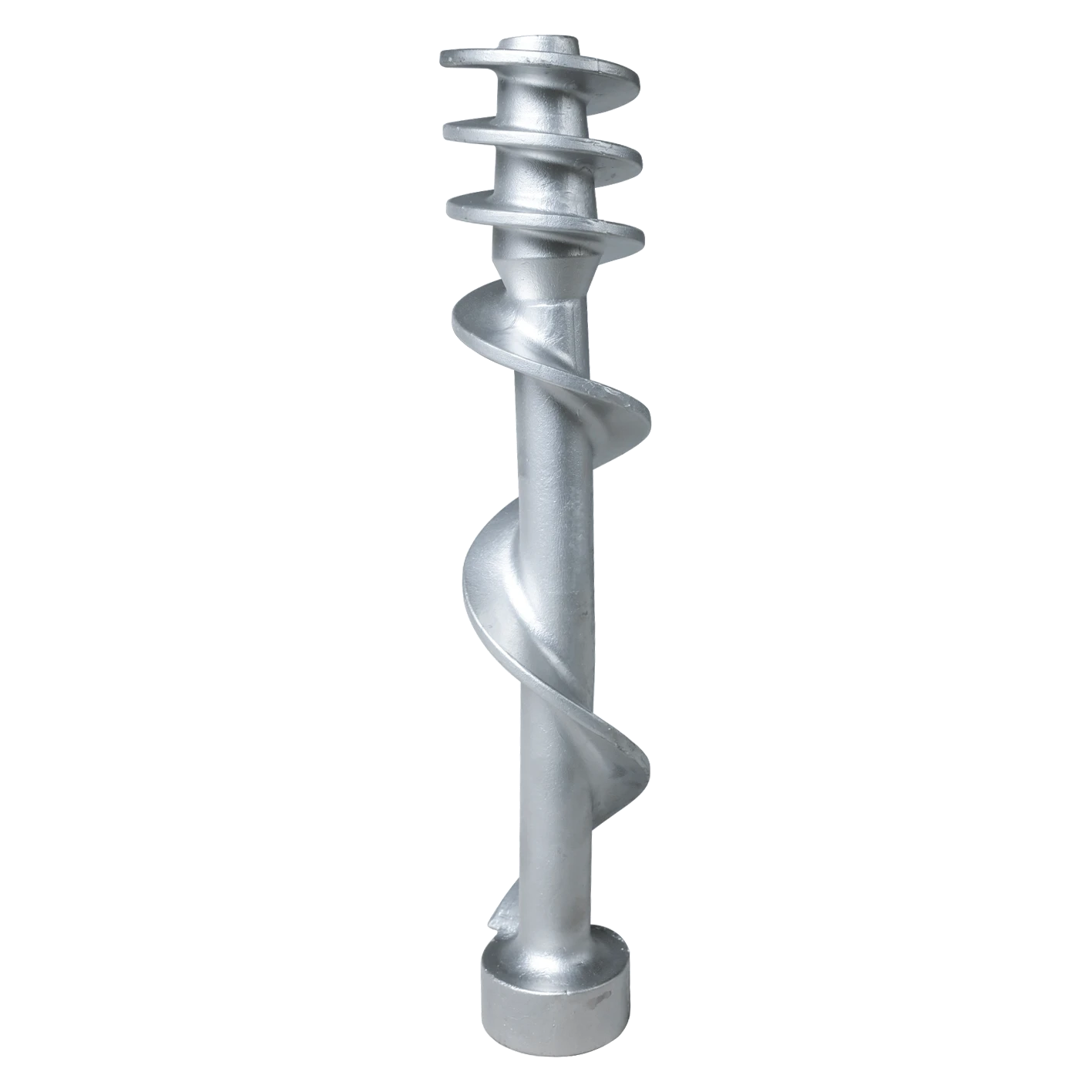
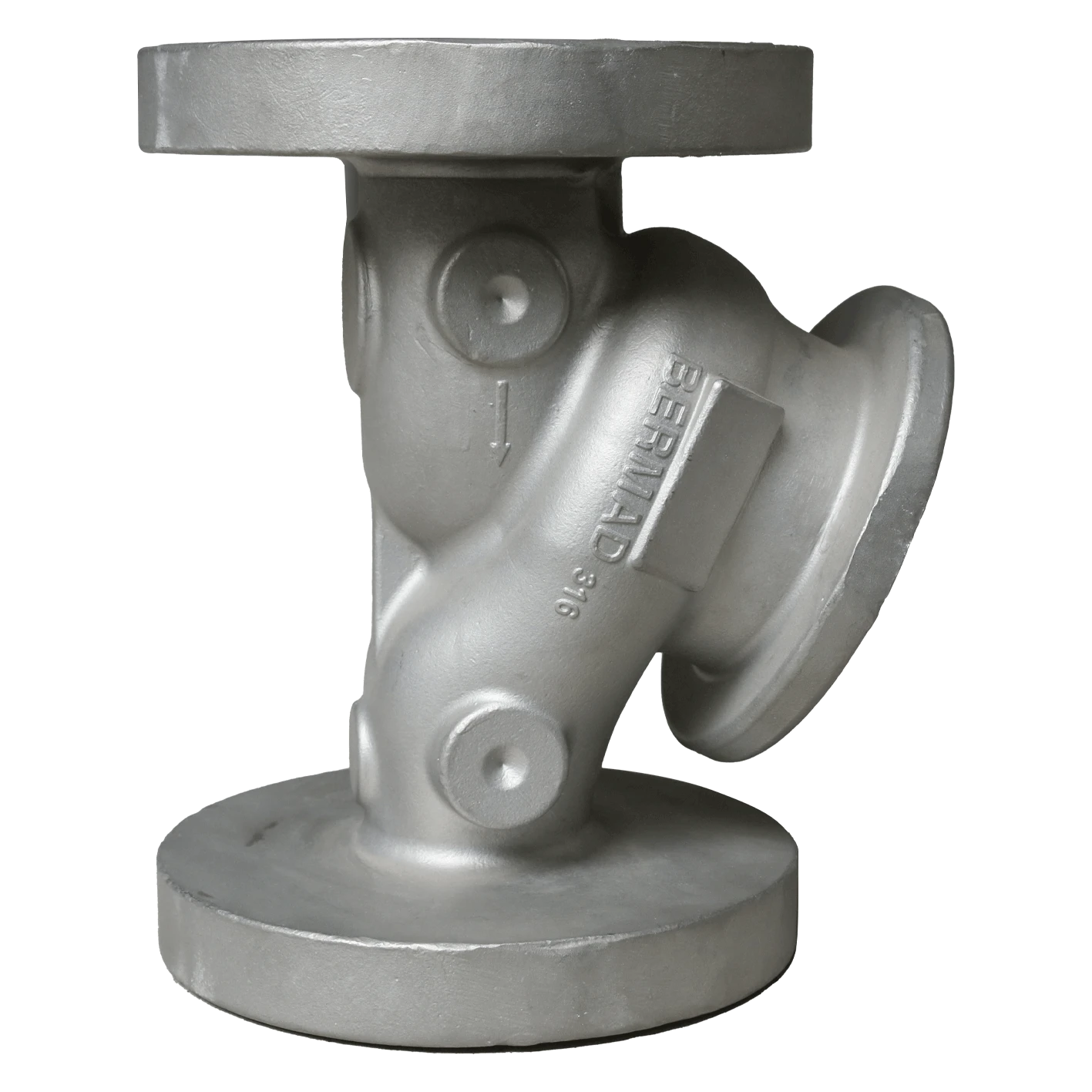
stainless steel 1.4308
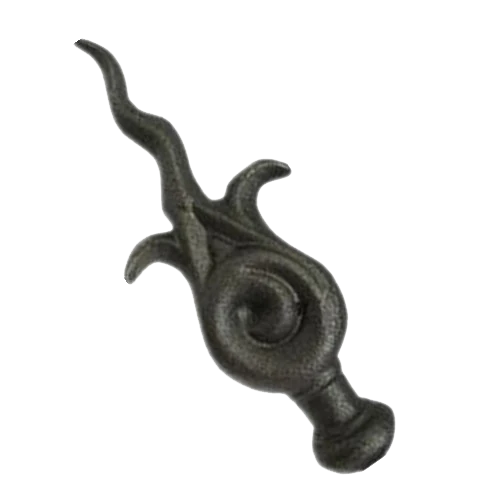
The material also maintains good performance at elevated temperatures, making it a reliable choice for components subjected to thermal stress. The austenitic structure allows it to retain toughness and resist embrittlement even at high temperatures, which is essential for applications in industrial furnaces and heat exchangers.
Applications
Given its unique properties, stainless steel 1.4308 is used across a broad range of applications. In the construction industry, it is commonly employed for structural components, handrails, and architectural features due to its aesthetic appeal and strength. The ability to retain a polished finish without significant maintenance makes it a preferred choice for visible applications.
In the automotive sector, 1.4308 is favored for manufacturing exhaust systems, engine components, and decorative trim. Its resistance to oxidation and high-temperature stability ensure that it can endure the harsh conditions found in automotive environments.
The food processing industry also benefits significantly from the use of this stainless steel grade. Equipment such as tanks, pipes, and processing machinery made from 1.4308 are less prone to contamination and corrosion, ensuring that food products remain safe and untainted.
Furthermore, its applications extend into healthcare settings where materials used must comply with stringent hygiene standards. Surgical instruments and medical devices made from stainless steel 1.4308 are favored for their ability to be sterilized easily while ensuring minimal risk of bacterial growth.
Conclusion
Stainless steel 1.4308 is a versatile material that meets the demands of various applications due to its favorable composition and properties. Its exceptional corrosion resistance, combined with mechanical strength and aesthetic qualities, make it a top choice in industries ranging from construction to food processing. As technology evolves and industries continue to seek durable and reliable materials, the significance of stainless steel 1.4308 will only grow, establishing it as a fundamental component in contemporary manufacturing and engineering practices.
-
Advanced Manufacturing Technologies in Modern Industrial ProductionNewsMay.22,2026
-
Engine Oil Management Tools: Essential Solutions for Clean and Efficient Automotive MaintenanceNewsMay.22,2026
-
Car Water Pump Systems: Efficiency, Cleaning Applications, and Market OverviewNewsMay.22,2026
-
Industrial Valve Castings and Flow Control Solutions in Modern EngineeringNewsMay.22,2026
-
Aluminum End Caps and Compression Solutions: A Complete Guide for Modern ApplicationsNewsMay.22,2026
-
Precision Valve Castings for Agricultural Irrigation and Fluid Control SystemsNewsMay.08,2026