English

Mobile:+86-311-808-126-83
Email:info@ydcastings.com
English
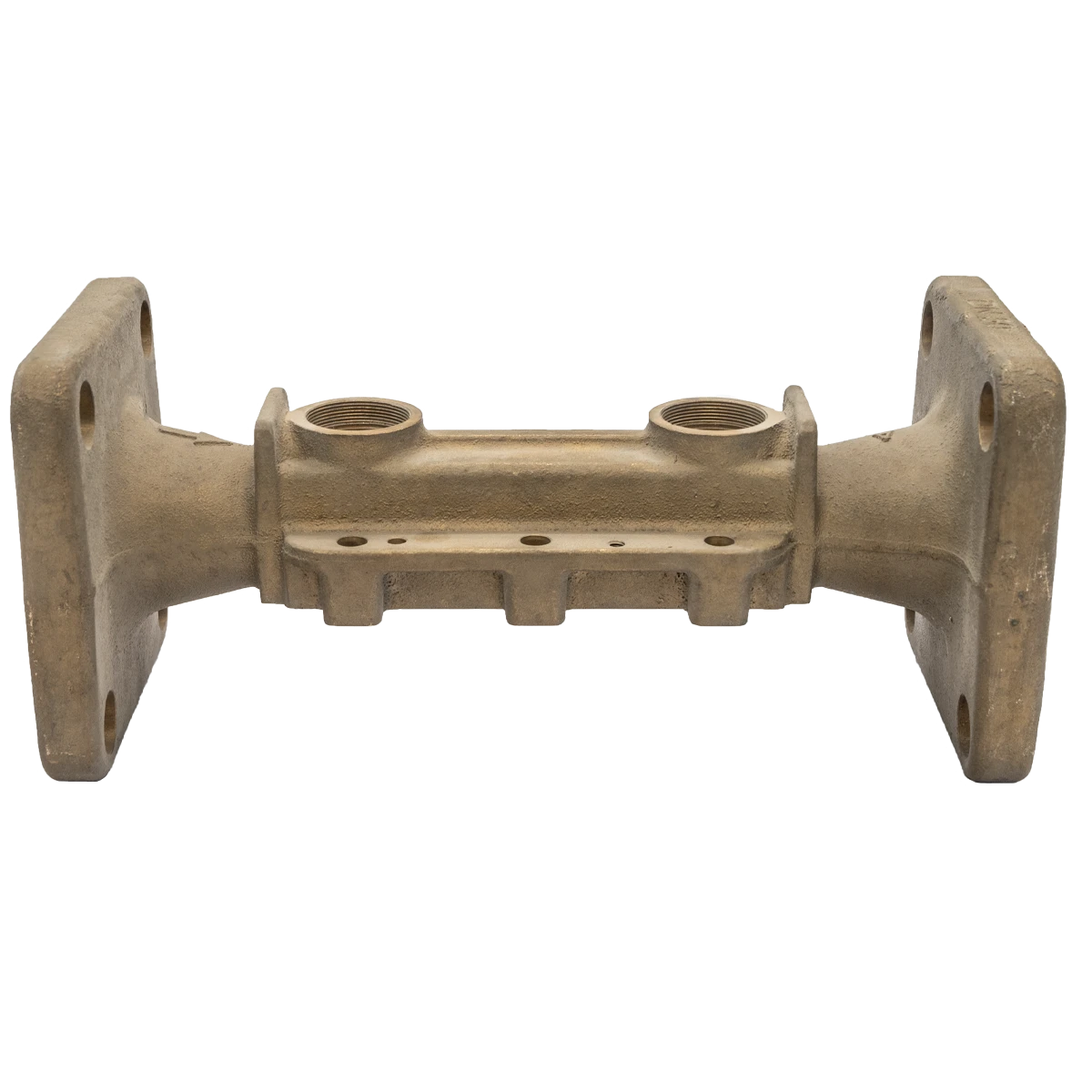
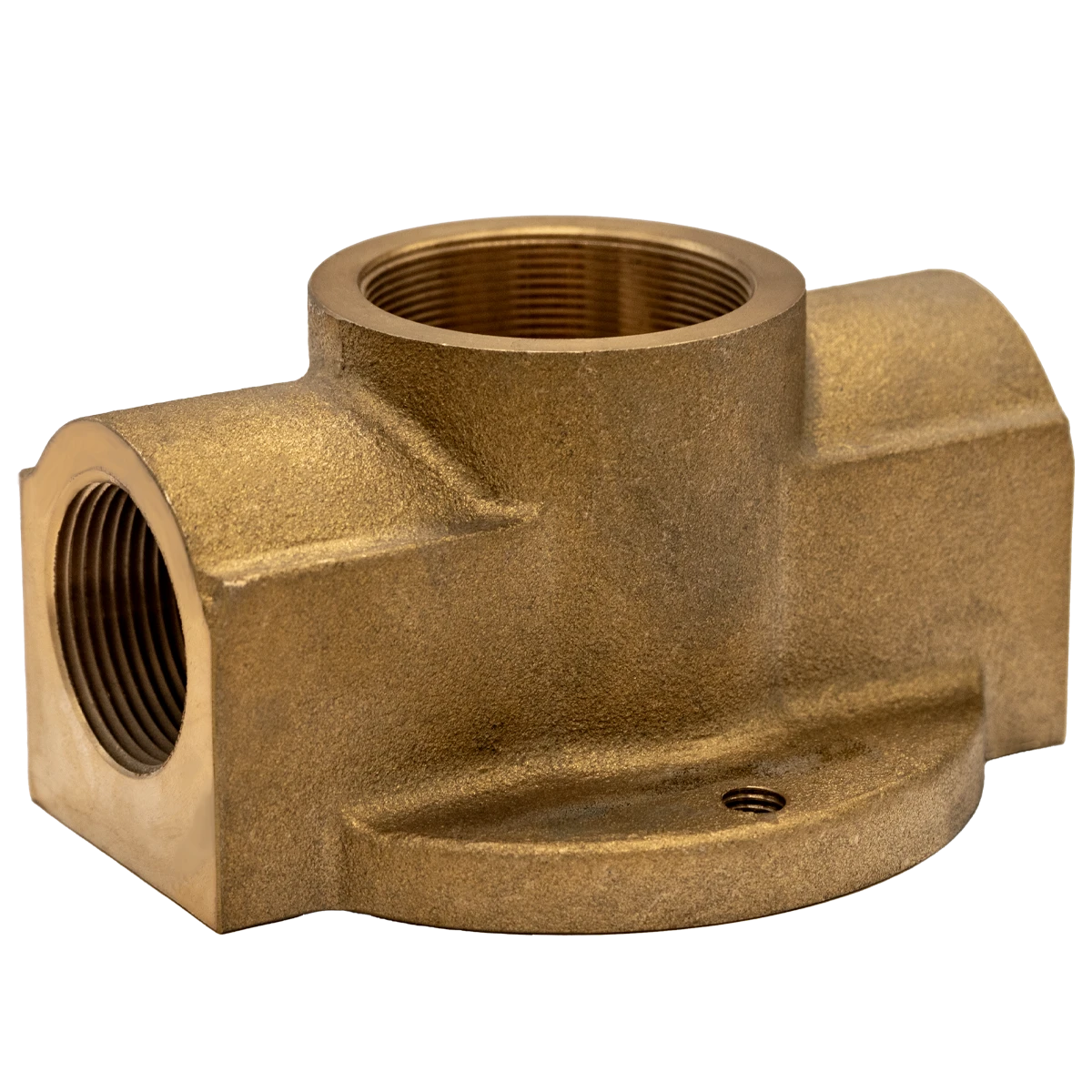
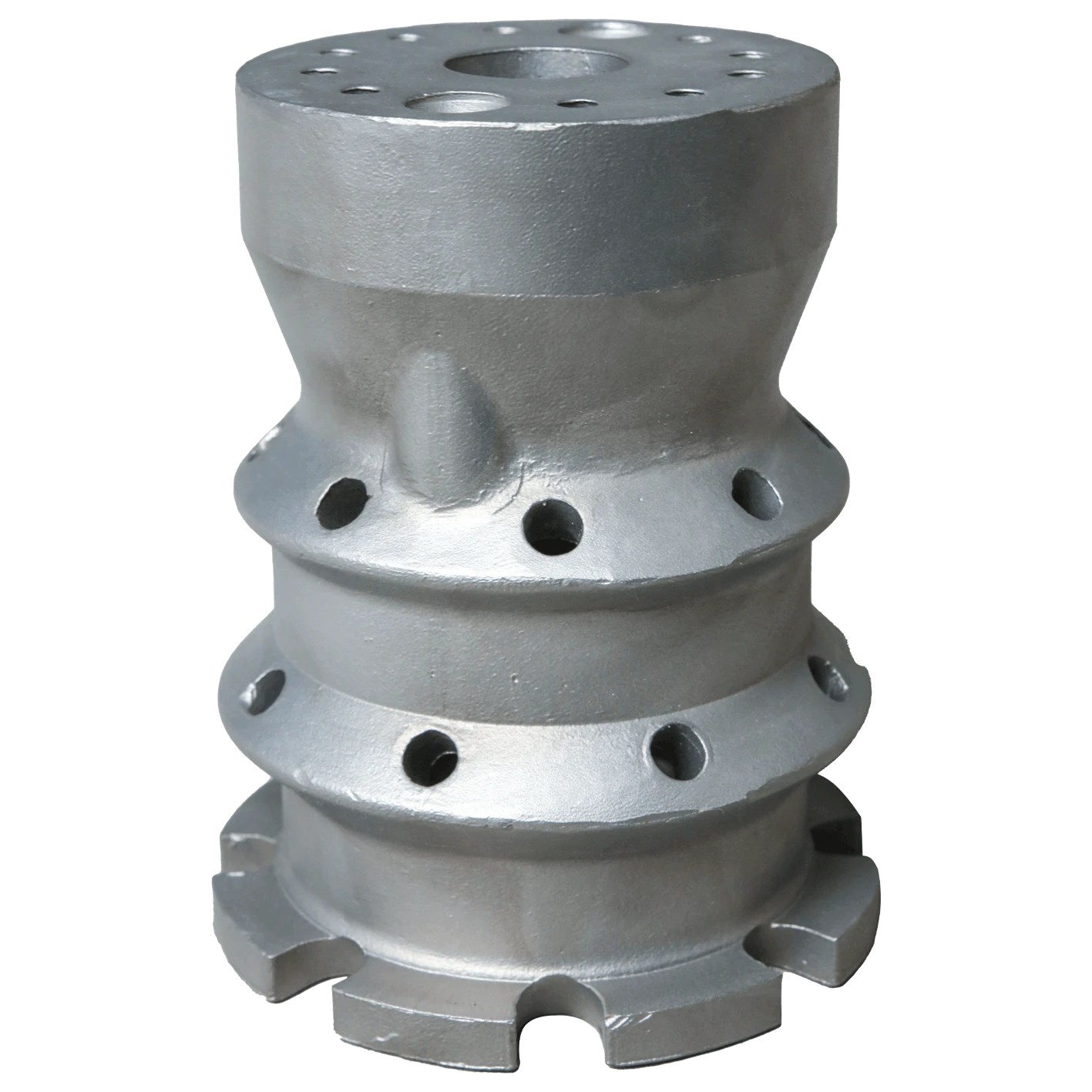
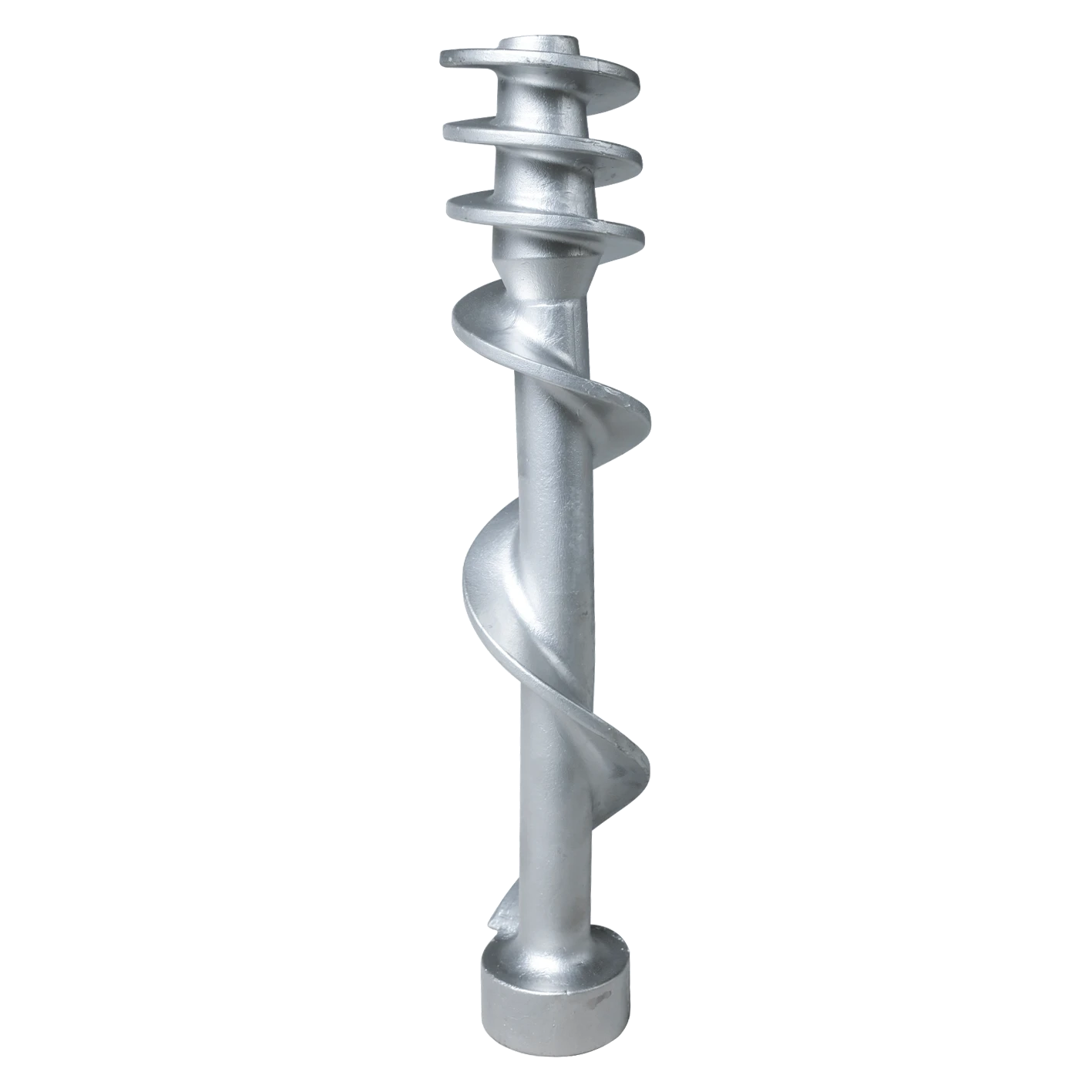
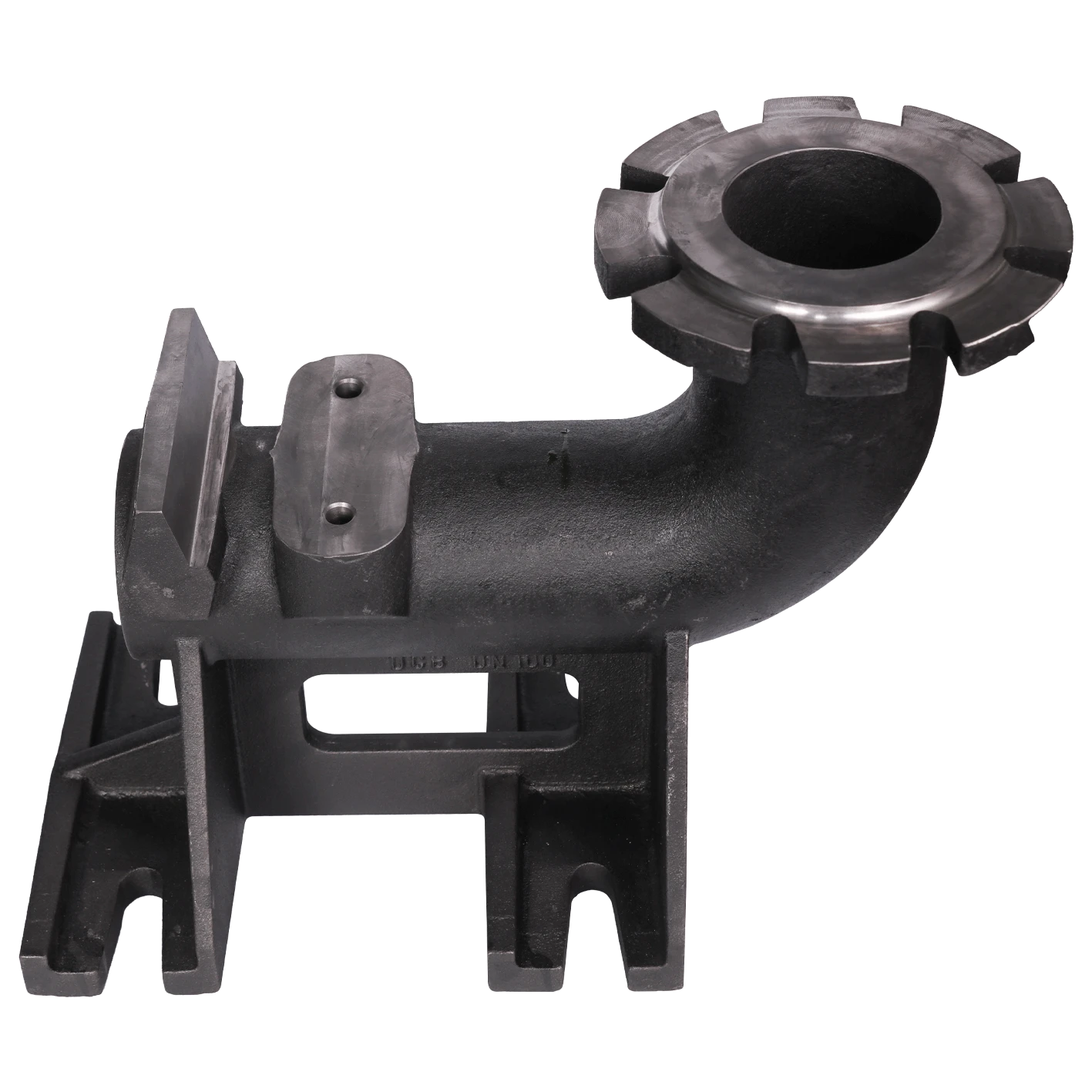
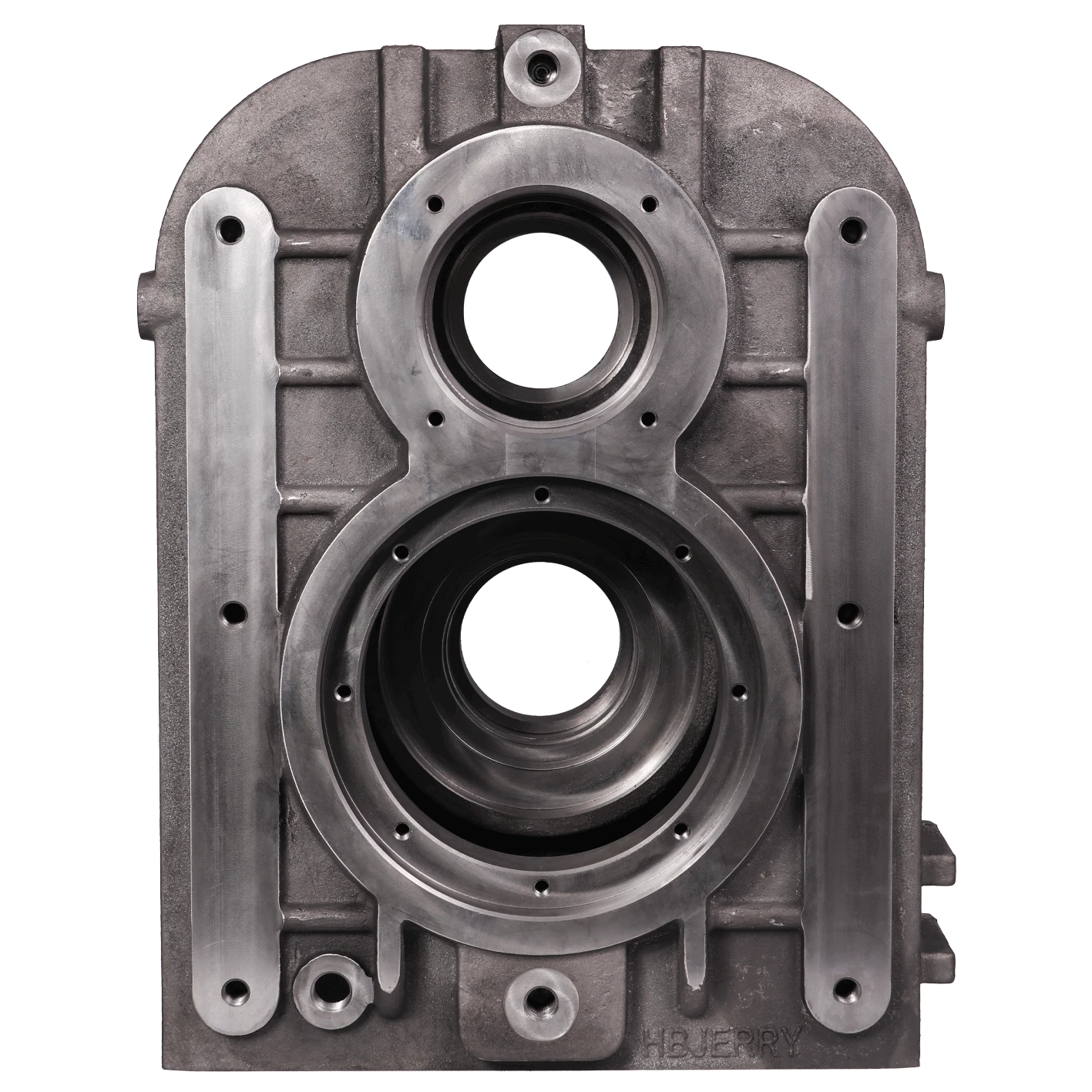
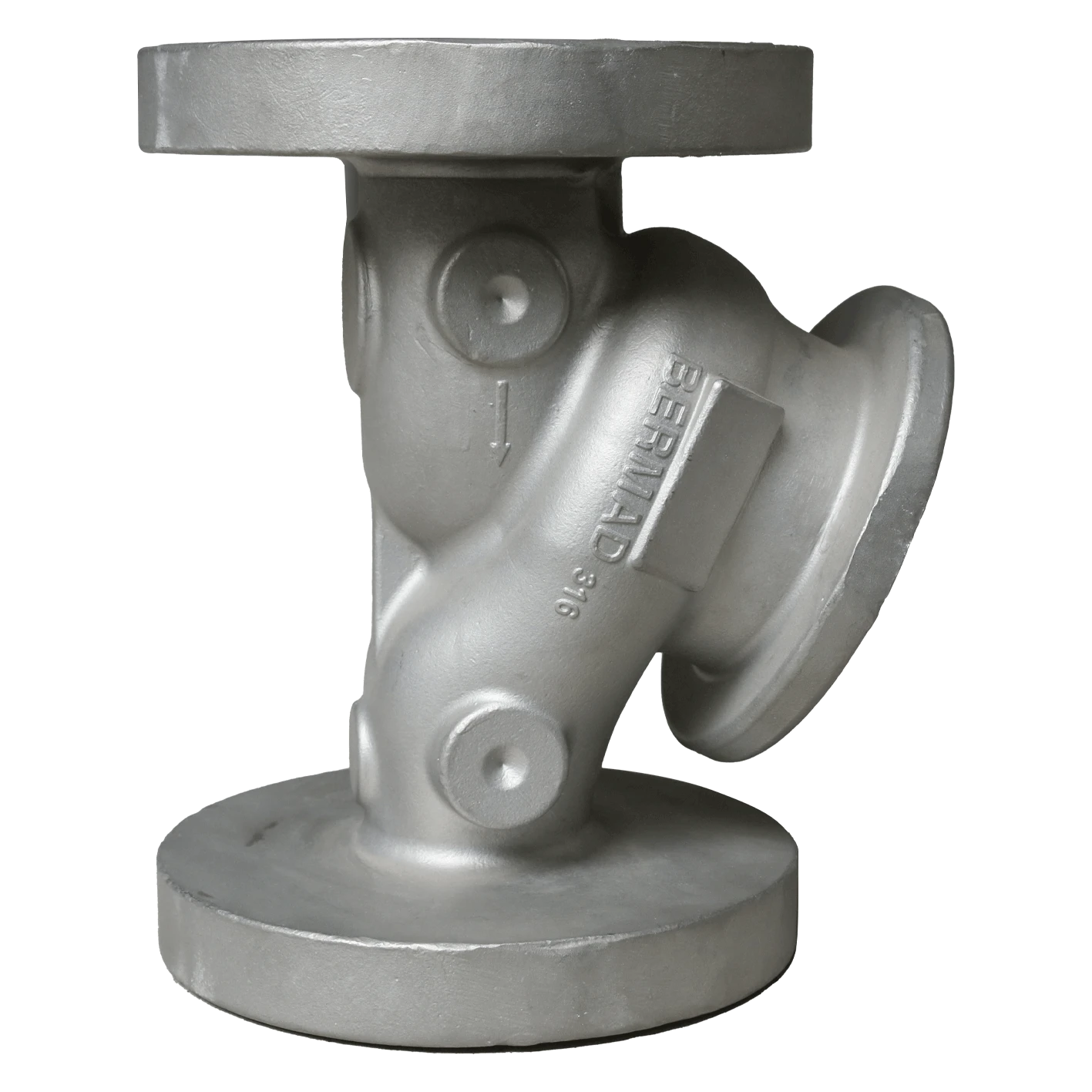
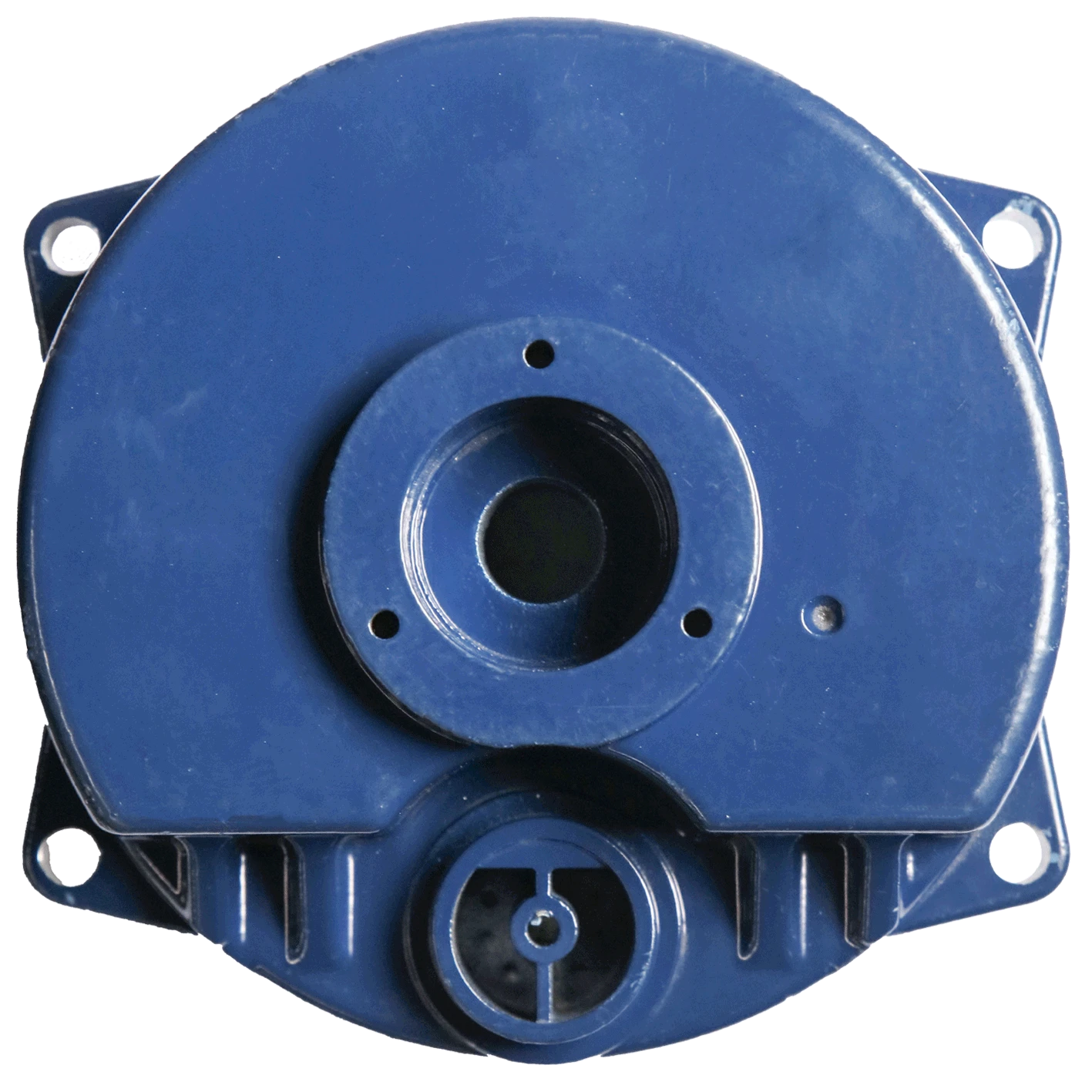
stainless steel investment casting parts
The Advantages of Stainless Steel Investment Casting Parts
In modern manufacturing, precision and quality are paramount. One method that has gained prominence for producing high-quality components is investment casting, particularly when using stainless steel. This process offers several significant advantages that make it a preferred choice for industries ranging from aerospace to medical devices.
What is Investment Casting?
Investment casting is a manufacturing process that involves creating a wax pattern, coating it with a ceramic material to create a mold, and then removing the wax to leave a hollow cavity. The molten stainless steel is then poured into the mold to create the desired part. This method allows for intricate designs and high precision, making it ideal for complex geometries that would be challenging to achieve with traditional machining.
Benefits of Stainless Steel in Investment Casting
Stainless steel is chosen for investment casting due to its unique properties. It is corrosion-resistant, durable, and can withstand high temperatures, making it suitable for various environments. Additionally, different grades of stainless steel can be selected based on the specific needs of the application, whether it requires high strength, enhanced corrosion resistance, or improved machinability.
1. Precision and Detail One of the standout features of investment casting is its ability to produce components with tight tolerances and intricate shapes. This precision minimizes the need for extensive machining, which can save time and reduce material waste. As a result, manufacturers can create parts that meet exact specifications without compromising on quality.
stainless steel investment casting parts
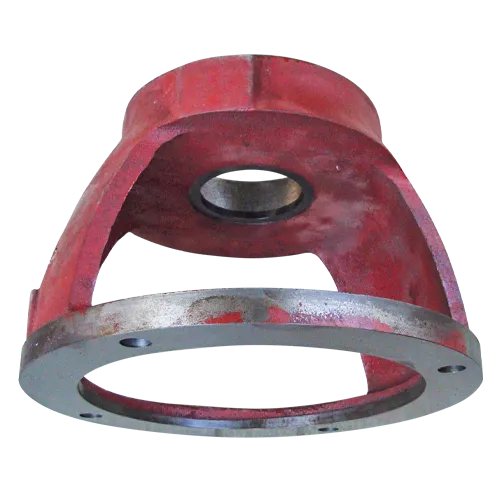
2. Surface Finish Investment cast parts typically have a finer surface finish compared to other manufacturing methods. The ceramic shell mold used in this process can achieve a smooth surface, which can reduce the need for additional surface treatment. This not only saves on costs but also enhances the aesthetic appeal of the finished product.
3. Material Efficiency The investment casting process is known for its ability to utilize material efficiently. The patterns used can often be reused and the ceramic molds can be created with minimal waste. This is particularly advantageous in industries where material costs are high.
4. Versatile Applications Stainless steel investment casting parts are used across a variety of sectors. In the aerospace industry, components must meet strict safety and performance standards, making stainless steel an ideal choice due to its strength-to-weight ratio and durability. Similarly, in the medical sector, the corrosion resistance of stainless steel is crucial for components that must endure harsh sterilization processes.
5. Cost-Effectiveness While the initial setup for investment casting can be higher than other methods, the long-term benefits often justify the expense. The reduced machining time, lower material waste, and efficient production rates contribute to overall cost savings, especially for high-volume production runs.
Conclusion
Stainless steel investment casting parts offer a combination of precision, durability, and cost-effectiveness that is hard to match. As industries continue to seek innovative solutions to meet their manufacturing challenges, investment casting remains a reliable method, providing high-quality components that can withstand the demands of modern applications. With ongoing advancements in casting technology and materials, the future looks promising for stainless steel investment casting in various sectors, ensuring its place as a cornerstone of contemporary manufacturing.
-
Precision Valve Castings for Agricultural Irrigation and Fluid Control SystemsNewsMay.08,2026
-
Precision Impeller and Compressor Components for Agricultural MachineryNewsMay.08,2026
-
Essential Cast Components for Agricultural Machinery: Oil Management and Motor ProtectionNewsMay.08,2026
-
High-Performance Cast Components for Agricultural Machinery: From Cooling to Exhaust SystemsNewsMay.08,2026
-
Agricultural Valve Castings: Durable Flow Control Solutions for Farm Irrigation SystemsNewsMay.08,2026
-
High-Performance Agricultural Pump Components: Precision Castings for Reliable Farm OperationsNewsMay.08,2026