English

Mobile:+86-311-808-126-83
Email:info@ydcastings.com
English
car oil change container
The Importance of Car Oil Change Containers A Guide to Maintenance
When it comes to maintaining the health of your vehicle, regular oil changes are imperative. Engine oil lubricates moving parts, reduces friction, and helps maintain optimal engine temperature, all of which are crucial for performance and longevity. However, what many car owners often overlook is the proper disposal and storage of used oil. This is where a car oil change container comes into play. In this article, we'll explore the significance of these containers, how to choose the right one, and best practices for handling used oil.
Why Use a Car Oil Change Container?
1. Environmental Protection Used engine oil can be harmful to the environment if not disposed of properly. It can contaminate water sources and soil, posing risks to wildlife and humans alike. By using a designated oil change container, you're ensuring that your used oil is stored safely until disposal.
2. Convenience An oil change container provides a hassle-free way to store used oil. Many containers are designed with features such as spouts for easy pouring and sturdy handles for transport. This means that you can easily transfer the oil to a recycling point or proper disposal facility without spillage.
3. Safety Correctly storing used oil helps prevent accidental leaks or spills in your garage or driveway. This minimizes the risk of slippery surfaces, which can lead to accidents or injuries.
4. Cost Savings Some recycling centers may offer cash back for used oil or allow you to trade it for new oil. Using a container makes it easier to transport your oil for potential savings.
Choosing the Right Oil Change Container
When selecting a car oil change container, there are several factors to consider
1. Material Most containers are made from durable plastic or metal. Plastic containers are lightweight and resistant to rust and corrosion, while metal options may provide added durability. Choose a material that fits your needs and climate.
2. Size Car oil change containers come in various sizes, typically ranging from 1 to 5 gallons. Choose a size based on how frequently you change your oil and the capacity of your vehicle's oil system. If you regularly perform oil changes on multiple vehicles, consider a larger container.
3. Spout Design A good container should have a well-designed spout that allows for controlled pouring without spillage. Look for spouts with screw-on caps that prevent spills during transport.
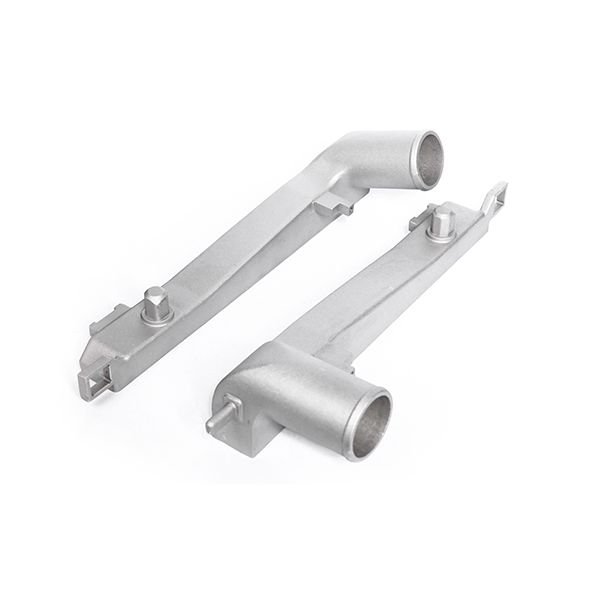
car oil change container
4. Sealability Ensure that the container has a tight-sealing lid. This helps prevent leaks, minimizes odors, and keeps contaminants out.
Best Practices for Handling Used Oil
Once you've selected the appropriate car oil change container, it’s essential to follow some best practices for handling used oil
1. Allow Oil to Cool If you've just completed an oil change, allow the engine oil to cool down before transferring it to the container. Hot oil can cause burns and can also be more challenging to handle.
2. Use a Funnel When pouring oil into the container, use a funnel to avoid spills. This will make transferring oil cleaner and more efficient.
3. Label the Container If you’re storing the container for a while, make sure to label it clearly as Used Oil. This will help others (or yourself) understand its contents and prevent any mix-ups.
4. Store Safely Keep the container in a cool, dry place away from direct sunlight. Ensure that it’s stored upright to avoid leaks.
5. Recycle Properly Finally, always recycle your used oil. Most auto parts stores, service stations, and recycling centers accept used oil for recycling. Do some research in your local area to find the most convenient drop-off sites.
Conclusion
A car oil change container is not just a convenience; it's a responsibility. By using the right container and following best practices for handling used oil, you can help protect the environment, ensure safety in your garage, and potentially save money. Regular oil changes, combined with proper disposal methods, are essential for maintaining your vehicle's performance and extending its lifespan. Take the time to choose the right container and commit to environmentally responsible practices in your routine vehicle maintenance.
-
Precision Valve Castings for Agricultural Irrigation and Fluid Control SystemsNewsMay.08,2026
-
Precision Impeller and Compressor Components for Agricultural MachineryNewsMay.08,2026
-
Essential Cast Components for Agricultural Machinery: Oil Management and Motor ProtectionNewsMay.08,2026
-
High-Performance Cast Components for Agricultural Machinery: From Cooling to Exhaust SystemsNewsMay.08,2026
-
Agricultural Valve Castings: Durable Flow Control Solutions for Farm Irrigation SystemsNewsMay.08,2026
-
High-Performance Agricultural Pump Components: Precision Castings for Reliable Farm OperationsNewsMay.08,2026