English

Mobile:+86-311-8081-2683
Email:info@ydcastings.com
English
Feb . 15, 2025 05:13
Back to list
impeller on pump
Solar water pumps have increasingly become the go-to solution for efficient and eco-friendly water management across various sectors. A key component that determines the efficacy of these solar pumps is the impeller. The type of impeller used in a solar pump system significantly impacts its performance, efficiency, and suitability for specific applications.
Multi-stage impellers are designed for challenging tasks where both high pressure and high flow are required. Consisting of several impeller stages arranged in sequence, this type of impeller gradually increases the water pressure as it moves through each stage. Multi-stage impellers are perfect for high-head applications, such as in multi-storey buildings or where water needs to be transported over substantial vertical distances. Their ability to efficiently manage high-pressure tasks without compromising on flow rate makes them versatile for both domestic and commercial applications. Peripheral Impellers Peripheral impellers—or regenerative turbines—are less common but highly specialized. They work by trapping a peripheral layer of water and repeatedly moving it around the housing until it exits the pump, resulting in unique flow characteristics. Ideal for applications demanding gentle handling of fluids, peripheral impellers are used in scenarios where minimal flow disturbance is critical, such as in water processing and treatment facilities. The choice of solar pump impeller type is dictated not only by operational needs but also by the specific requirements of the context in which the pump is to be used. When selecting an impeller, it is crucial to consider factors such as the nature of the water to be pumped, required pressure, and desired flow rate. Expert opinion recommends that stakeholders always consult with professionals or specialized engineers to ensure that the selected pump and impeller type align with their operational needs. Trusted manufacturers and suppliers can provide essential guidance based on the latest innovations and technologies in solar pumping systems. Successful deployment of solar pumps with the right impeller translates into optimized energy use, cost savings, and sustainable operations, contributing to environmental conservation. By understanding and selecting the appropriate solar pump impeller type, users can leverage these systems' full potential, unlocking new efficiencies and achieving long-term benefits.
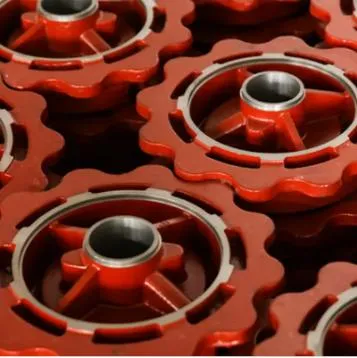
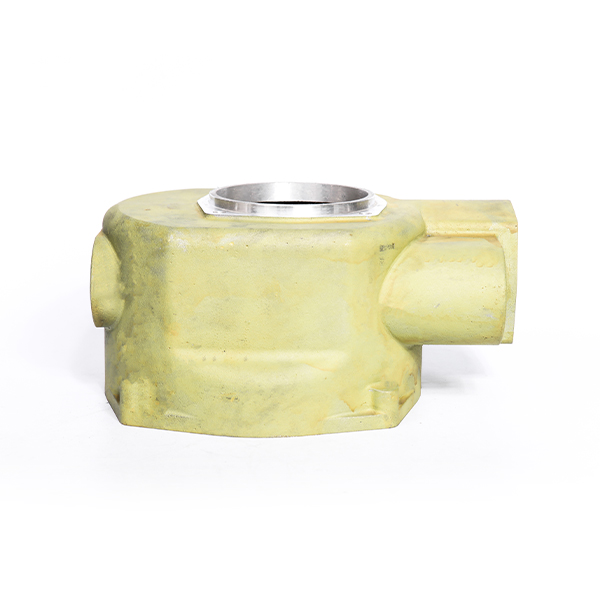
Multi-stage impellers are designed for challenging tasks where both high pressure and high flow are required. Consisting of several impeller stages arranged in sequence, this type of impeller gradually increases the water pressure as it moves through each stage. Multi-stage impellers are perfect for high-head applications, such as in multi-storey buildings or where water needs to be transported over substantial vertical distances. Their ability to efficiently manage high-pressure tasks without compromising on flow rate makes them versatile for both domestic and commercial applications. Peripheral Impellers Peripheral impellers—or regenerative turbines—are less common but highly specialized. They work by trapping a peripheral layer of water and repeatedly moving it around the housing until it exits the pump, resulting in unique flow characteristics. Ideal for applications demanding gentle handling of fluids, peripheral impellers are used in scenarios where minimal flow disturbance is critical, such as in water processing and treatment facilities. The choice of solar pump impeller type is dictated not only by operational needs but also by the specific requirements of the context in which the pump is to be used. When selecting an impeller, it is crucial to consider factors such as the nature of the water to be pumped, required pressure, and desired flow rate. Expert opinion recommends that stakeholders always consult with professionals or specialized engineers to ensure that the selected pump and impeller type align with their operational needs. Trusted manufacturers and suppliers can provide essential guidance based on the latest innovations and technologies in solar pumping systems. Successful deployment of solar pumps with the right impeller translates into optimized energy use, cost savings, and sustainable operations, contributing to environmental conservation. By understanding and selecting the appropriate solar pump impeller type, users can leverage these systems' full potential, unlocking new efficiencies and achieving long-term benefits.
Next:
Latest news
-
Choosing an Engine Storage Crate Cover for Material and EnvironmentNewsNov.23,2026
-
Cylinder Head Chamber Buyers: Check the Casting Specification FirstNewsNov.17,2026
-
How Impeller Casting Manufacturers Match Material, Process and EquipmentNewsNov.15,2026
-
Valve body vs. intake air chamber: Which casting fits your assembly?NewsNov.02,2026
-
Air Intake Chamber FAQ: Specifications, Ordering and Support QuestionsNewsOct.28,2026
-
Motorcycle Accessories FAQ: Specifications, Ordering and Support QuestionsNewsOct.24,2026
Related PRODUCTS










