English

Mobile:+86-311-8081-2683
Email:info@ydcastings.com
English
Feb . 15, 2025 04:51
Back to list
water pump impeller
Navigating the world of small water pump impellers can be a transformative experience, especially when approaching it with both informed enthusiasm and technical acuity. The small water pump impeller, a critical component within the broader category of fluid dynamics, plays an essential role in a myriad of applications spanning domestic, industrial, and environmental uses.
Trustworthiness as a metric of impeller efficacy largely depends on its operational stability and adaptability. While some applications may require frequent adjustments or replacements—to accommodate varying operational demands—repeated performance consistency is a hallmark of reliability. A meticulous specification and installation process ensure that the impeller performs efficiently without unexpected failure, aligning perfectly with overarching operational needs. The credibility of a water pump impeller's brand is also crucial in establishing trust. Brands that have continuously innovated and adhered to rigorous standards are often favored in industry circles. When engaging in selections, leveraging authoritative reviews and case studies can provide valuable insights into how an impeller performs under real-world conditions. Examining experiences shared through professional forums or peer-reviewed journals can be enlightening. Many field professionals extend their insights about specific models and scenarios where one might outperform another. These shared experiences can guide potential purchasers in making informed decisions based on first-hand encounters, ensuring the selected impeller matches the application's demands. To summarize, while the small water pump impeller may seem like a modest component, its role is pivotal in numerous systems worldwide. For anyone operating in sectors reliant on these mechanisms, cultivating a deep understanding of their workings not only boosts operational efficiency but also significantly cuts down on maintenance costs. Through informed decision-making backed by authoritative and trustworthy resources, the full potential of these vital components can be harnessed, yielding benefits that reverberate across entire systems.
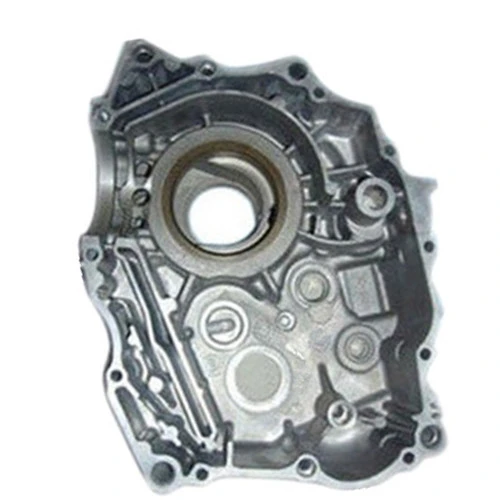
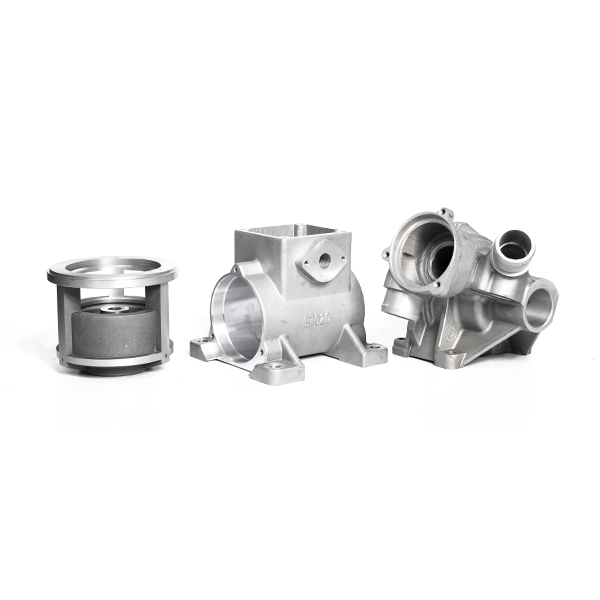
Trustworthiness as a metric of impeller efficacy largely depends on its operational stability and adaptability. While some applications may require frequent adjustments or replacements—to accommodate varying operational demands—repeated performance consistency is a hallmark of reliability. A meticulous specification and installation process ensure that the impeller performs efficiently without unexpected failure, aligning perfectly with overarching operational needs. The credibility of a water pump impeller's brand is also crucial in establishing trust. Brands that have continuously innovated and adhered to rigorous standards are often favored in industry circles. When engaging in selections, leveraging authoritative reviews and case studies can provide valuable insights into how an impeller performs under real-world conditions. Examining experiences shared through professional forums or peer-reviewed journals can be enlightening. Many field professionals extend their insights about specific models and scenarios where one might outperform another. These shared experiences can guide potential purchasers in making informed decisions based on first-hand encounters, ensuring the selected impeller matches the application's demands. To summarize, while the small water pump impeller may seem like a modest component, its role is pivotal in numerous systems worldwide. For anyone operating in sectors reliant on these mechanisms, cultivating a deep understanding of their workings not only boosts operational efficiency but also significantly cuts down on maintenance costs. Through informed decision-making backed by authoritative and trustworthy resources, the full potential of these vital components can be harnessed, yielding benefits that reverberate across entire systems.
Next:
Latest news
-
Choosing an Engine Storage Crate Cover for Material and EnvironmentNewsNov.23,2026
-
Cylinder Head Chamber Buyers: Check the Casting Specification FirstNewsNov.17,2026
-
How Impeller Casting Manufacturers Match Material, Process and EquipmentNewsNov.15,2026
-
Valve body vs. intake air chamber: Which casting fits your assembly?NewsNov.02,2026
-
Air Intake Chamber FAQ: Specifications, Ordering and Support QuestionsNewsOct.28,2026
-
Motorcycle Accessories FAQ: Specifications, Ordering and Support QuestionsNewsOct.24,2026
Related PRODUCTS










