English

Mobile:+86-311-8081-2683
Email:info@ydcastings.com
English
Feb . 15, 2025 04:28
Back to list
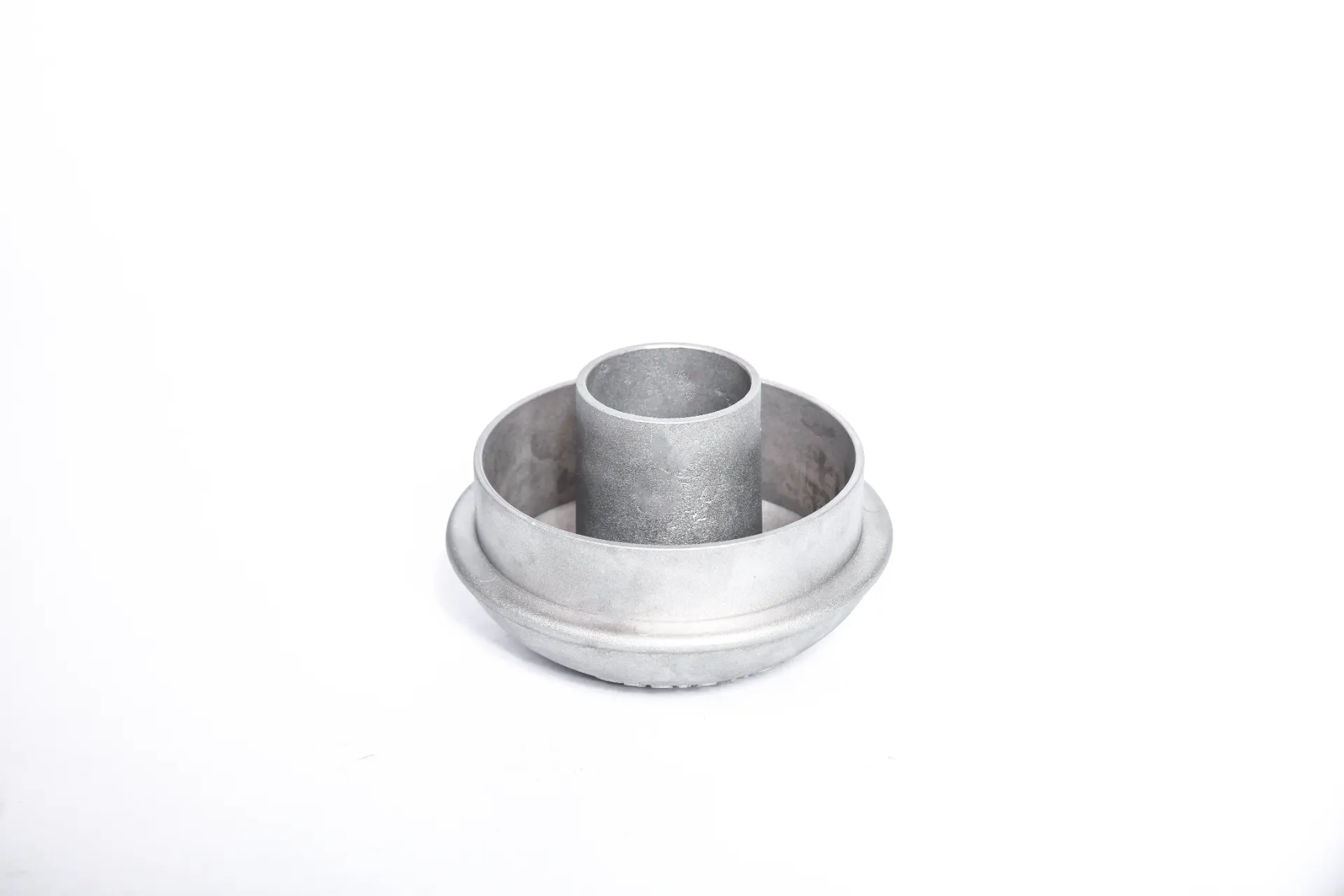
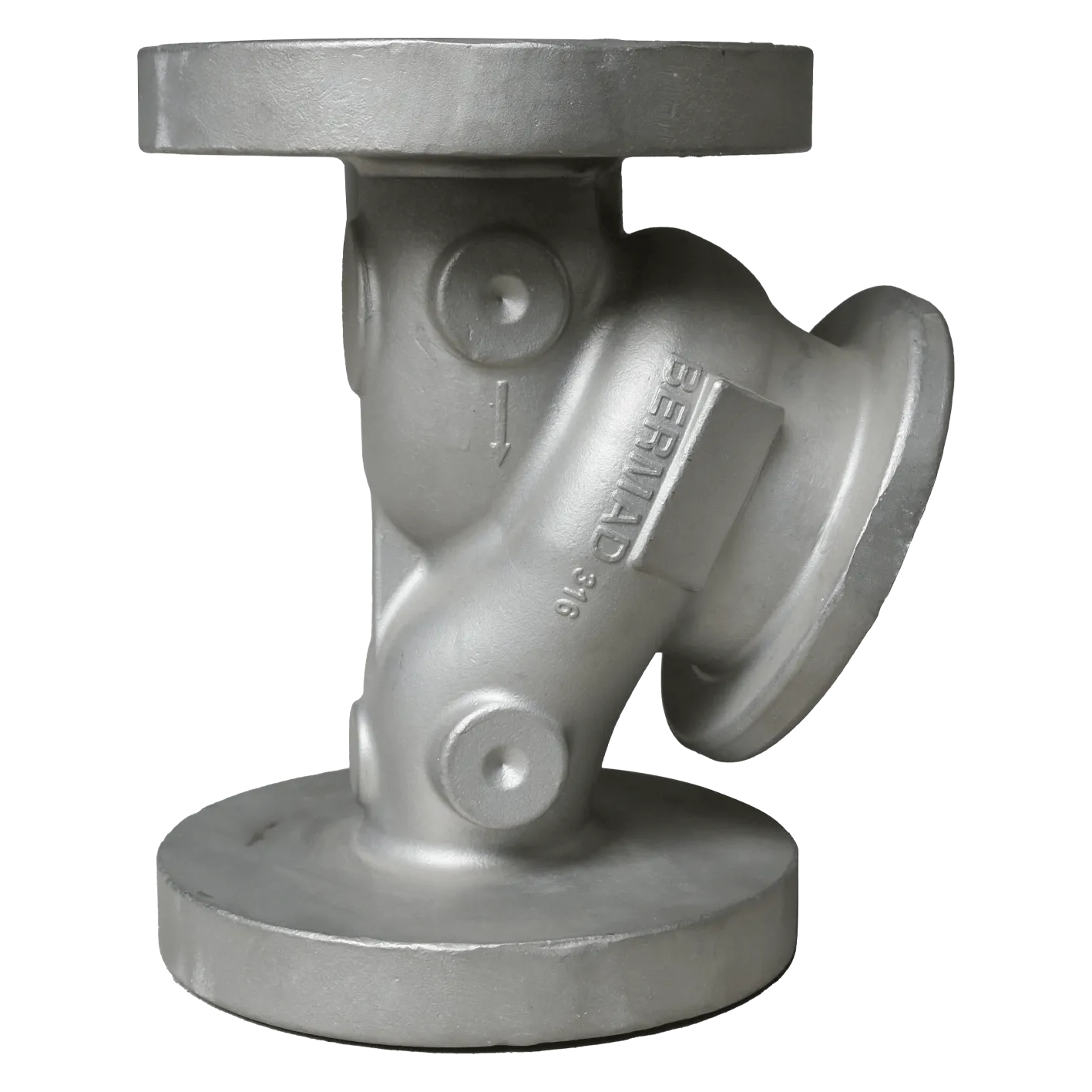
impeller on pump
In the world of industrial manufacturing and waste management, the sludge pump impeller plays a pivotal role in ensuring efficient and reliable operations. Often tasked with the challenging job of moving viscous, abrasive, and sometimes corrosive liquids, the design and material of a sludge pump impeller can significantly influence the overall performance of a pumping system. This article delves deep into the inherent qualities of sludge pump impellers, shedding light on the nuances that make them indispensable for specific industrial applications.
However, even the highest quality impeller is only as good as its maintenance routine. Regular inspection and maintenance prolong the life of the pump system and prevent expensive downtime. Wear and tear can lead to inefficiencies and potential system failure if left unchecked. Hence, implementing a routine maintenance schedule is pivotal in ensuring operational reliability and capital returns on investment in sludge pump technology. Informed decision-making depends on partnering with manufacturers and suppliers who not only offer high-quality products but also possess the expertise to tailor solutions to specific operational needs. Leveraging their knowledge aids in aligning the perfect impeller with the intended application, considering factors such as fluid characteristics, slurry composition, and pump configuration. Reliable suppliers offer technological insights and robust support systems, paving the way for an efficient and optimized pumping solution. In educational forums and industry conferences, sharing case studies and field data further enhances the collective understanding of sludge pump impeller applications. Peer-reviewed journals and professional workshops are excellent venues for disseminating practical knowledge and fostering innovations to meet evolving industry demands. Overall, the selection of the right sludge pump impeller requires careful attention to design, material, and maintenance practices. As technology advances and industry needs evolve, the importance of keeping abreast of the latest developments cannot be overstated. Investing in reliable, durable, and performance-optimized impellers not only assures smoother operations but also guarantees a cost-effective approach to handling the demanding conditions posed by sludge and similar challenging materials. The right impeller is not merely a component but a strategic asset in the broader scheme of industrial pumping systems.
However, even the highest quality impeller is only as good as its maintenance routine. Regular inspection and maintenance prolong the life of the pump system and prevent expensive downtime. Wear and tear can lead to inefficiencies and potential system failure if left unchecked. Hence, implementing a routine maintenance schedule is pivotal in ensuring operational reliability and capital returns on investment in sludge pump technology. Informed decision-making depends on partnering with manufacturers and suppliers who not only offer high-quality products but also possess the expertise to tailor solutions to specific operational needs. Leveraging their knowledge aids in aligning the perfect impeller with the intended application, considering factors such as fluid characteristics, slurry composition, and pump configuration. Reliable suppliers offer technological insights and robust support systems, paving the way for an efficient and optimized pumping solution. In educational forums and industry conferences, sharing case studies and field data further enhances the collective understanding of sludge pump impeller applications. Peer-reviewed journals and professional workshops are excellent venues for disseminating practical knowledge and fostering innovations to meet evolving industry demands. Overall, the selection of the right sludge pump impeller requires careful attention to design, material, and maintenance practices. As technology advances and industry needs evolve, the importance of keeping abreast of the latest developments cannot be overstated. Investing in reliable, durable, and performance-optimized impellers not only assures smoother operations but also guarantees a cost-effective approach to handling the demanding conditions posed by sludge and similar challenging materials. The right impeller is not merely a component but a strategic asset in the broader scheme of industrial pumping systems.
Next:
Latest news
-
Choosing an Engine Storage Crate Cover for Material and EnvironmentNewsNov.23,2026
-
Cylinder Head Chamber Buyers: Check the Casting Specification FirstNewsNov.17,2026
-
How Impeller Casting Manufacturers Match Material, Process and EquipmentNewsNov.15,2026
-
Valve body vs. intake air chamber: Which casting fits your assembly?NewsNov.02,2026
-
Air Intake Chamber FAQ: Specifications, Ordering and Support QuestionsNewsOct.28,2026
-
Motorcycle Accessories FAQ: Specifications, Ordering and Support QuestionsNewsOct.24,2026
Related PRODUCTS










