Mobile:+86-311-808-126-83
Email:info@ydcastings.com

Size Matching Guide for Pipe Caps
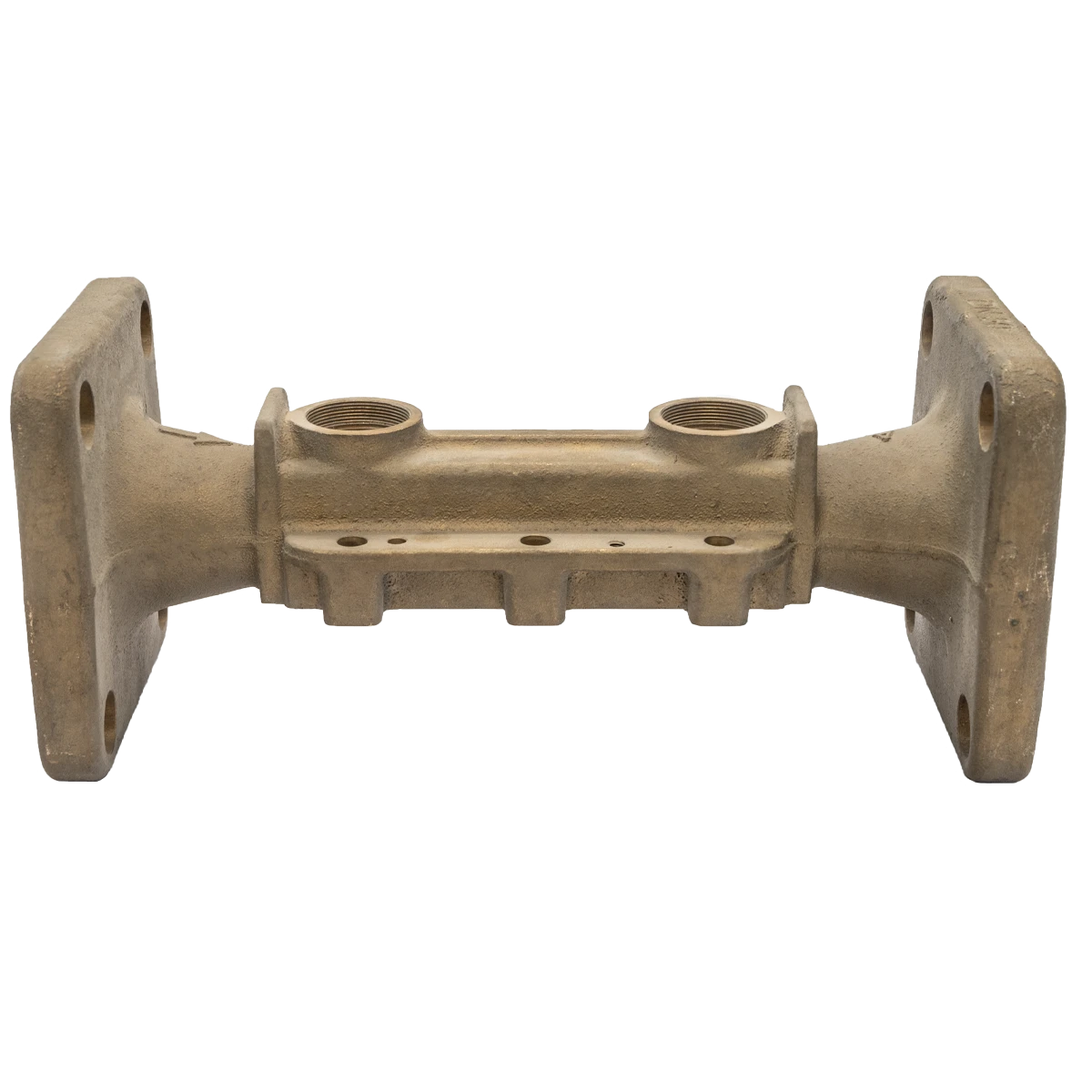
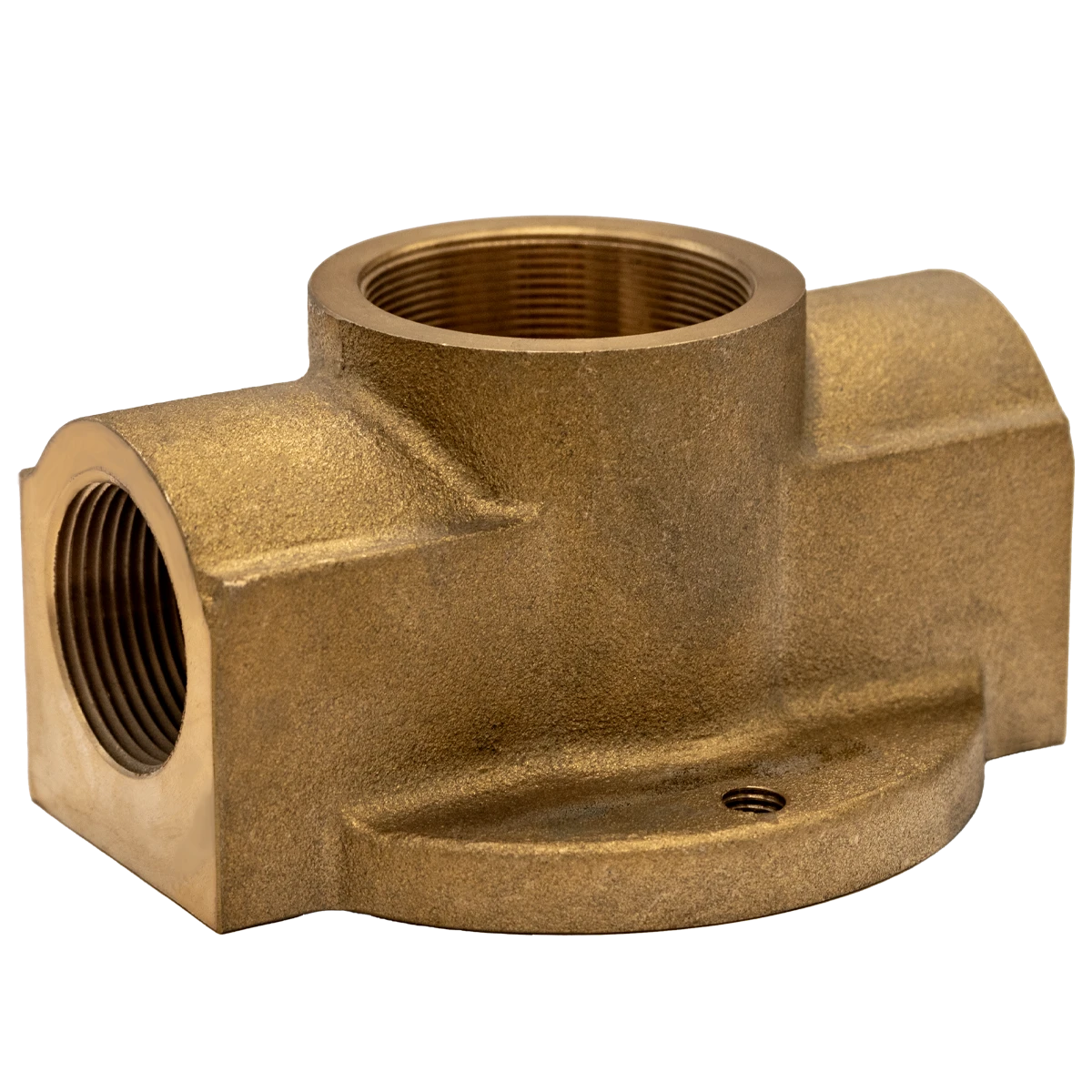
In agricultural machinery (e.g., irrigation systems, tractor hydraulic lines, harvester fuel pipes), pipe caps, pipe end cap, and cap for pipe end play a critical role in sealing pipe openings—preventing dust, moisture, and debris from entering (which causes corrosion or blockages) and protecting pipe threads during storage or maintenance. For wholesalers supplying agricultural equipment manufacturers and maintenance teams, providing accurate size matching guidance for pipe caps ensures clients avoid leaks, reduce downtime, and optimize component compatibility. Hebei Yuanda Trade Co., Ltd., a supplier of casting and piping components, offers a range of pipe caps tailored to agricultural needs, supporting wholesalers with reliable size-matching solutions.
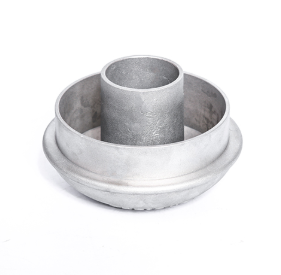
Pipe Cap & End Cap Casting Product Features Table
|
Aspect |
Details |
|
Core Products |
1. Pipe caps: Seals agricultural pipe openings (irrigation, hydraulic, fuel lines); 2. Pipe end cap: Cylindrical/flat designs for specific pipe ends; 3. Cap for pipe end: Threaded/unthreaded options; 4. End cap castings: For machinery bearings (seals oil, prevents dust). |
|
End Cap Casting Basics |
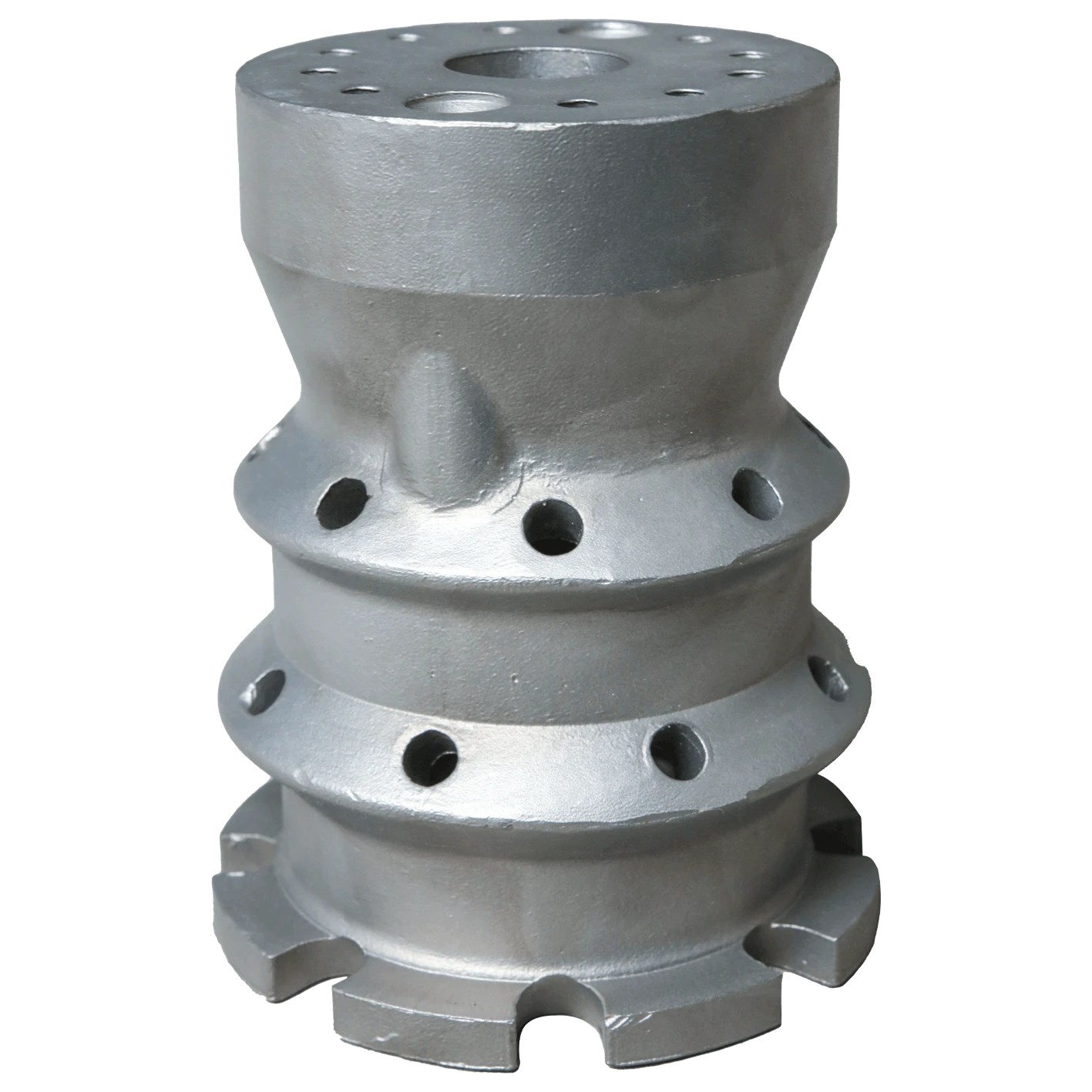
- Materials: Gray cast iron, ductile cast iron, aluminum alloy, steel (selected for sealing, load, corrosion resistance, cost); - Process: Precision casting (high strength, durability); - Function: Seals bearings/bearing housings, reinforces bearings, prevents oil leakage/dust entry; bolted to equipment housings. |
|
Pipe Caps Key Parameters |
- Size: Inner diameter (matches pipe outer diameter), thread type (NPT, BSPT for agricultural pipes), thickness (3–10 mm based on pressure); - Material: Aluminum alloy (lightweight, corrosion-resistant for irrigation), steel (high-pressure hydraulic lines), plastic (low-pressure fuel lines); Hebei Yuanda Trade Co., Ltd. offers all. |
|
Agricultural Adaptability |
Pipe caps: Anti-corrosion coatings (resists farm moisture/fertilizer runoff), UV-resistant (for outdoor irrigation), high-pressure ratings (20–50 MPa for tractor hydraulics); end cap castings: Wear-resistant (for harvester bearings). |
|
Application Scope |
Pipe caps: Fits ½–6 inch agricultural pipes (irrigation, hydraulic, fuel); end cap castings: Compatible with tractor bearings, harvester bearing housings. |
|
Manufacturer Support |
Hebei Yuanda Trade Co., Ltd. provides wholesalers with pipe caps size charts, custom cap for pipe end (for non-standard agricultural pipes), end cap casting technical documents, and size-matching consultation. |
Key Parameters for Matching Pipe Caps
- Identify pipe outer diameter (OD) to select the correct pipe caps inner diameter (ID). Agricultural pipes (e.g., irrigation PVC pipes, tractor hydraulic steel pipes) have standard ODs—for example, a 1-inch irrigation pipe typically has an OD of 33.4 mm, so the pipe cap ID should be 33.4–34 mm (to ensure a tight fit). Hebei Yuanda Trade Co., Ltd. provides wholesalers with a pipe caps size chart that maps pipe OD to cap ID, including metric (mm) and imperial (inch) units (common in agricultural machinery). For non-standard pipes (e.g., custom harvester fuel lines), the company offers custom cap for pipe end with ID tailored to the pipe’s exact OD—this avoids loose fits that cause leaks.
- Match thread type and size for threaded pipe end cap. Most agricultural hydraulic and fuel pipes use NPT (National Pipe Thread) or BSPT (British Standard Pipe Taper) threads—mismatched threads lead to cross-threading and leaks. Hebei Yuanda Trade Co., Ltd.’s pipe end cap includes both thread types, with size markings (e.g., “1” NPT”) for easy identification. For example, a ¾-inch NPT pipe requires a ¾-inch NPT pipe end cap—the company’s caps have precise thread pitch (14 threads per inch for ¾-inch NPT) to ensure a secure seal. Wholesalers should advise clients to check pipe thread specifications before ordering, using the company’s thread guide for clarity.
Material Matching for Cap for Pipe End in Agriculture
- Select cap for pipe end material based on agricultural pipe function and environment. For irrigation pipes (exposed to moisture, fertilizer, and UV rays), aluminum alloy cap for pipe end (from Hebei Yuanda Trade Co., Ltd.) is ideal—lightweight, corrosion-resistant, and UV-stable. These caps withstand 3–5 years of outdoor use without rusting. For tractor hydraulic lines (high pressure, oil exposure), steel cap for pipe end is better—withstands 20–50 MPa pressure and resists oil degradation. For low-pressure fuel lines (e.g., in small agricultural generators), plastic cap for pipe end is cost-effective and compatible with diesel/gasoline. Hebei Yuanda Trade Co., Ltd. labels each cap for pipe end with material and application recommendations, helping wholesalers guide clients.
- Consider temperature resistance when matching cap for pipe end. Agricultural machinery operates in extreme temperatures—from -10°C (winter storage) to 60°C (summer field work). Hebei Yuanda Trade Co., Ltd.’s steel cap for pipe end tolerates -40°C to 120°C (suitable for hydraulic lines), while aluminum alloy caps work in -20°C to 80°C (ideal for irrigation). For pipes near engine components (high heat), the company offers heat-resistant steel cap for pipe end that withstands 150°C. Wholesalers should highlight temperature ratings to clients, especially those in regions with extreme weather, to prevent cap cracking or deformation.
Size Matching for Agricultural-Specific Pipe Caps
- Match pipe caps size to irrigation system pipes. Agricultural irrigation uses large-diameter pipes (2–6 inches) to deliver water to fields—these require pipe caps with larger ID (e.g., 6-inch pipe needs a cap with 168.3 mm ID, standard for 6-inch steel pipe). Hebei Yuanda Trade Co., Ltd.’s large-size pipe caps have reinforced edges (thicker walls) to prevent damage during installation (e.g., when tightening with a wrench). For drip irrigation lines (small diameter, ½–1 inch), the company’s small pipe caps have a flexible seal (rubber lining) that conforms to the pipe’s OD, ensuring a leak-proof fit even if the pipe has minor diameter variations. A wholesaler’s client reported zero leaks in their drip system after using these caps.
- Size pipe caps for tractor and harvester hydraulic pipes. These pipes are often custom-sized (e.g., 1.25-inch OD for harvester hydraulic lines) and require precise pipe caps Hebei Yuanda Trade Co., Ltd. offers a “size sample” service for wholesalers—sending small batches of pipe caps in multiple IDs for clients to test fit before bulk ordering. This reduces the risk of incorrect sizes and returns. For example, a tractor manufacturer tested 1.25-inch OD pipe with 1.25-inch (31.75 mm) and 1.26-inch (32 mm) ID caps, selecting the 32 mm cap for a tighter fit. Wholesalers can leverage this service to build client trust.
Pipe Caps FAQS
How to match pipe caps size for agricultural irrigation pipes?
To match pipe caps size for irrigation pipes, first measure the pipe’s outer diameter (OD) using a caliper. For example, a 2-inch irrigation pipe has an OD of 60.3 mm—select a pipe cap with an inner diameter (ID) of 60.3–61 mm (from Hebei Yuanda Trade Co., Ltd.’s size chart). For threaded irrigation pipes, match the thread type (NPT/BSPT) and size (e.g., 2-inch NPT pipe needs a 2-inch NPT pipe cap). The company’s irrigation-specific pipe caps have rubber linings for extra sealing—wholesalers can recommend these for outdoor use.
What material cap for pipe end is best for tractor hydraulic lines?
For tractor hydraulic lines (high pressure, oil exposure), steel cap for pipe end from Hebei Yuanda Trade Co., Ltd. is best. It withstands 20–50 MPa pressure, resists oil degradation, and tolerates -40°C to 120°C temperatures (suitable for all seasons). The company’s steel cap for pipe end has precise NPT/BSPT threads to avoid leaks, and is labeled “Hydraulic Grade” for easy identification. Wholesalers should suggest this material over aluminum/plastic for high-pressure applications.
How to handle non-standard pipe sizes when ordering pipe end cap?
For non-standard agricultural pipes (e.g., custom harvester fuel lines), provide Hebei Yuanda Trade Co., Ltd. with the pipe’s exact outer diameter (OD) and thread details (if threaded). The company produces custom pipe end cap with ID tailored to the OD (±0.1 mm tolerance) and matching threads. Wholesalers can request a size sample first—clients test the sample fit before bulk ordering, ensuring no leaks. The company’s custom service has a 7–10 day lead time, suitable for agricultural maintenance schedules.
What inspection steps ensure pipe caps size matching is correct?
After matching pipe caps, perform a dry fit: unthreaded caps should slide on with gentle force (no gaps); threaded caps should hand-tighten smoothly (no cross-threading). Then, test with pressure: fill the pipe with water/oil, pressurize to 80% of max pressure, and check for leaks with soapy water. Hebei Yuanda Trade Co., Ltd.’s pipe caps include a fit guide with these steps, which wholesalers can share with clients. For critical applications (hydraulics), repeat the pressure test twice to confirm.
Do pipe caps from Hebei Yuanda Trade Co., Ltd. match both metric and imperial pipe sizes?
Yes, Hebei Yuanda Trade Co., Ltd.’s pipe caps match both metric (mm) and imperial (inch) pipe sizes—common in agricultural machinery. The company’s size chart maps metric OD (e.g., 33.4 mm) to imperial size (1 inch) and corresponding cap ID. For example, a 25.4 mm (1 inch) OD pipe uses a 25.4–26 mm ID pipe cap. Wholesalers can request separate metric/imperial size charts for clients, and the company’s pipe caps have dual markings (e.g., “25 mm / 1”) for clarity. This avoids confusion when matching international agricultural pipe standards.
-
Precision Valve Castings for Agricultural Irrigation and Fluid Control SystemsNewsMay.08,2026
-
Precision Impeller and Compressor Components for Agricultural MachineryNewsMay.08,2026
-
Essential Cast Components for Agricultural Machinery: Oil Management and Motor ProtectionNewsMay.08,2026
-
High-Performance Cast Components for Agricultural Machinery: From Cooling to Exhaust SystemsNewsMay.08,2026
-
Agricultural Valve Castings: Durable Flow Control Solutions for Farm Irrigation SystemsNewsMay.08,2026
-
High-Performance Agricultural Pump Components: Precision Castings for Reliable Farm OperationsNewsMay.08,2026