English

Mobile:+86-311-8081-2683
Email:info@ydcastings.com
English
Feb . 10, 2025 11:29
Back to list
impeller
Choosing the right type of impeller is crucial for the performance and efficiency of various industrial pumps. The single suction impeller, a key component in numerous applications, is often overlooked despite its significant advantages. With years of expertise in fluid dynamics and pump technology, I have witnessed firsthand the transformative impact an aptly chosen impeller can have on industrial operations. Here, I delve into the nuances of single suction impellers, exploring their design, advantages, and practical applications.
From a trustworthiness standpoint, single suction impellers are often constructed with robust materials tailored for specific applications, such as cast iron, stainless steel, or high-strength alloys, ensuring durability and resistance to wear and tear. Manufacturers often emphasize rigorous testing under various conditions to guarantee performance and safety. This rigorous quality assurance positions them as a dependable solution in critical industries, garnering trust from engineers and plant managers worldwide. When considering an upgrade or new implementation involving pump systems, focusing on the merits of a single suction impeller can provide exceptional value. Their adaptability across different contexts, combined with proven efficiency and reliability, highlights why they remain a staple in fluid handling solutions. It's crucial, however, to tailor the selection of impeller material and size to the specific requirements of the application to maximize performance and longevity. In conclusion, single suction impellers, with their unique advantages, play an integral role in various industrial processes. From their simple yet effective design to the enhanced reliability they offer, they reconcile the need for efficient directional flow with cost-effectiveness. For industries looking to optimize their fluid handling systems, investing in the right single suction impeller could lead to significant operational improvements and cost savings. With a deep understanding of their design and benefits, decision-makers can make informed choices that align with both their performance goals and budgetary constraints.
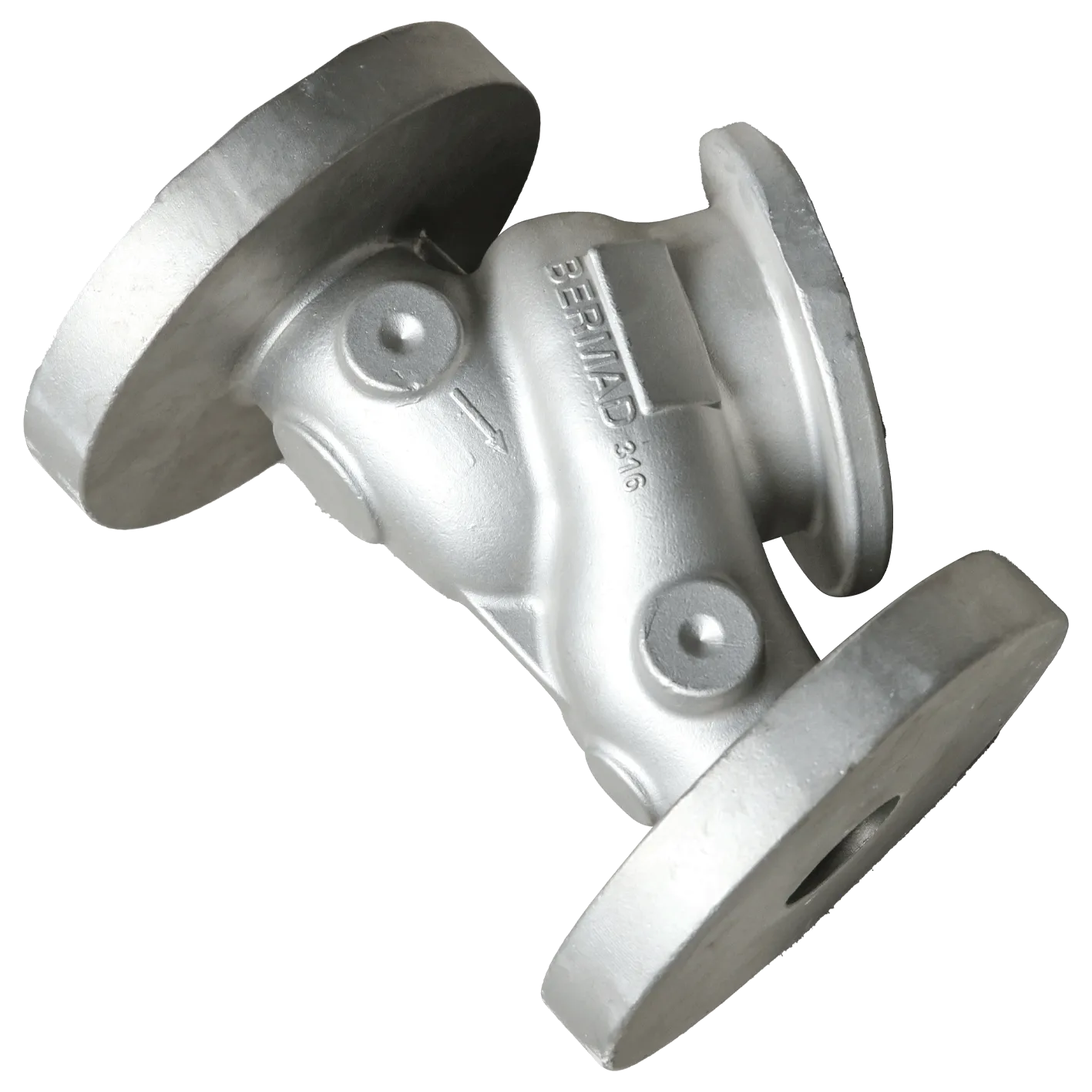
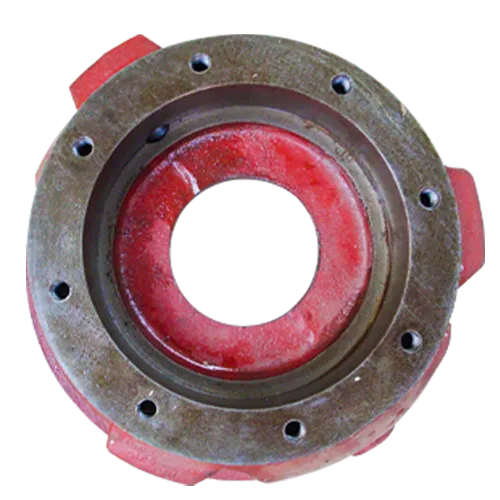
From a trustworthiness standpoint, single suction impellers are often constructed with robust materials tailored for specific applications, such as cast iron, stainless steel, or high-strength alloys, ensuring durability and resistance to wear and tear. Manufacturers often emphasize rigorous testing under various conditions to guarantee performance and safety. This rigorous quality assurance positions them as a dependable solution in critical industries, garnering trust from engineers and plant managers worldwide. When considering an upgrade or new implementation involving pump systems, focusing on the merits of a single suction impeller can provide exceptional value. Their adaptability across different contexts, combined with proven efficiency and reliability, highlights why they remain a staple in fluid handling solutions. It's crucial, however, to tailor the selection of impeller material and size to the specific requirements of the application to maximize performance and longevity. In conclusion, single suction impellers, with their unique advantages, play an integral role in various industrial processes. From their simple yet effective design to the enhanced reliability they offer, they reconcile the need for efficient directional flow with cost-effectiveness. For industries looking to optimize their fluid handling systems, investing in the right single suction impeller could lead to significant operational improvements and cost savings. With a deep understanding of their design and benefits, decision-makers can make informed choices that align with both their performance goals and budgetary constraints.
Latest news
-
Choosing an Engine Storage Crate Cover for Material and EnvironmentNewsNov.23,2026
-
Cylinder Head Chamber Buyers: Check the Casting Specification FirstNewsNov.17,2026
-
How Impeller Casting Manufacturers Match Material, Process and EquipmentNewsNov.15,2026
-
Valve body vs. intake air chamber: Which casting fits your assembly?NewsNov.02,2026
-
Air Intake Chamber FAQ: Specifications, Ordering and Support QuestionsNewsOct.28,2026
-
Motorcycle Accessories FAQ: Specifications, Ordering and Support QuestionsNewsOct.24,2026
Related PRODUCTS










