English

Mobile:+86-311-8081-2683
Email:info@ydcastings.com
English
Feb . 10, 2025 11:10
Back to list
circulation pump impeller
The choice of a circulation pump impeller plays a critical role in determining both the efficiency and reliability of any system reliant on fluid movement. In industries such as HVAC, water treatment, and manufacturing, the impeller must be delicately chosen to optimize performance and energy consumption.
Regular maintenance of the circulation pump impeller enhances the system's reliability and lifespan. Impeller inspection should be part of routine maintenance to detect potential issues like scaling, pitting, or deformation, all of which can degrade performance if left unchecked. Advances in condition monitoring technology allow operators to predict when maintenance is necessary, reducing downtime and maintaining optimal operation. Energy efficiency remains a paramount concern, particularly with growing environmental awareness and the increasing cost of energy. Modern circulation pump impellers integrated with variable frequency drives (VFDs) allow for dynamic flow control, adapting the system’s output to match varying demand levels. This not only saves energy but reduces operational costs. Innovation in impeller design continues to emerge, promising improvements in both energy efficiency and material resilience. High-performance computational fluid dynamics (CFD) allows for precise modeling of fluid interactions with the impeller, leading to designs that maximize flow efficiency while minimizing energy consumption and wear. Working with reputable manufacturers who incorporate these advanced technologies can provide a significant competitive advantage. Ensuring the purchase is from a credible source further cements trust in performance and quality. The market is awash with counterfeit products that might offer lower upfront costs but fail to meet the rigorous demands of industrial or even residential applications. A reputable brand ensures adherence to quality standards and often provides comprehensive support and warranties. In summary, the circulation pump impeller is a critical component that requires careful consideration of material, design, size, and maintenance. By focusing on these elements, industries can achieve higher efficiency, lower operational costs, and improved system longevity. Engaging with industry experts and making informed decisions can foster an environment of trust and reliability, ultimately leading to sustained operational success.

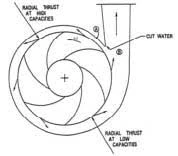
Regular maintenance of the circulation pump impeller enhances the system's reliability and lifespan. Impeller inspection should be part of routine maintenance to detect potential issues like scaling, pitting, or deformation, all of which can degrade performance if left unchecked. Advances in condition monitoring technology allow operators to predict when maintenance is necessary, reducing downtime and maintaining optimal operation. Energy efficiency remains a paramount concern, particularly with growing environmental awareness and the increasing cost of energy. Modern circulation pump impellers integrated with variable frequency drives (VFDs) allow for dynamic flow control, adapting the system’s output to match varying demand levels. This not only saves energy but reduces operational costs. Innovation in impeller design continues to emerge, promising improvements in both energy efficiency and material resilience. High-performance computational fluid dynamics (CFD) allows for precise modeling of fluid interactions with the impeller, leading to designs that maximize flow efficiency while minimizing energy consumption and wear. Working with reputable manufacturers who incorporate these advanced technologies can provide a significant competitive advantage. Ensuring the purchase is from a credible source further cements trust in performance and quality. The market is awash with counterfeit products that might offer lower upfront costs but fail to meet the rigorous demands of industrial or even residential applications. A reputable brand ensures adherence to quality standards and often provides comprehensive support and warranties. In summary, the circulation pump impeller is a critical component that requires careful consideration of material, design, size, and maintenance. By focusing on these elements, industries can achieve higher efficiency, lower operational costs, and improved system longevity. Engaging with industry experts and making informed decisions can foster an environment of trust and reliability, ultimately leading to sustained operational success.
Next:
Latest news
-
Choosing an Engine Storage Crate Cover for Material and EnvironmentNewsNov.23,2026
-
Cylinder Head Chamber Buyers: Check the Casting Specification FirstNewsNov.17,2026
-
How Impeller Casting Manufacturers Match Material, Process and EquipmentNewsNov.15,2026
-
Valve body vs. intake air chamber: Which casting fits your assembly?NewsNov.02,2026
-
Air Intake Chamber FAQ: Specifications, Ordering and Support QuestionsNewsOct.28,2026
-
Motorcycle Accessories FAQ: Specifications, Ordering and Support QuestionsNewsOct.24,2026
Related PRODUCTS









