English

Mobile:+86-311-808-126-83
Email:info@ydcastings.com
English
Silicone Molds for Precision Metal Casting Applications and Techniques
The Benefits of Using Silicone Molds for Metal Casting
Metal casting is an age-old technique that allows artisans and manufacturers to create complex shapes and intricate designs. Traditionally, metal casting required the use of rigid molds. However, the advent of silicone molds has revolutionized this process, offering numerous advantages that are worth exploring.
Understanding Silicone Molds
Silicone molds are made from silicone rubber, a flexible and durable material that can withstand high temperatures. They are designed to capture intricate details and can be reused multiple times without losing their shape or structural integrity. Unlike traditional molds made from materials like metal or plaster, silicone molds are lightweight and easier to handle, making them an appealing choice for both hobbyists and professional metal casters.
Advantages of Silicone Molds
1. Flexibility and Detail One of the primary benefits of silicone molds is their flexibility. This allows for the creation of complex shapes with intricate details that traditional molds may not be able to replicate. When using silicone molds for metal casting, artisans can achieve high levels of precision in their designs, making it easier to create custom pieces.
2. Ease of Use Silicone molds are relatively easy to use. They can be poured directly without the need for additional release agents, as silicone's non-stick properties facilitate the removal of the cast metal. This ease of use not only saves time but also reduces the likelihood of damaging the finished product during demolding.
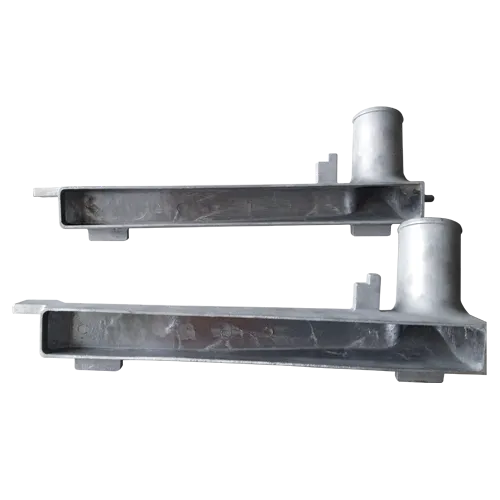
silicone molds for metal casting
3. Durability and Longevity Silicone molds are designed to withstand repeated use. Unlike traditional molds that may crack or degrade over time, silicone molds maintain their shape and detail even after numerous casting cycles. This durability makes them a cost-effective choice for both small-scale artisans and large-scale production.
4. Heat Resistance Silicone molds can tolerate the high temperatures required for metal casting. Depending on the type of silicone used, these molds can handle temperatures of up to 400°F (204°C) or more, making them suitable for various metals including aluminum, bronze, and pewter.
5. Versatility Silicone molds are incredibly versatile. They can be used not only for metal casting but also for other materials such as resin, wax, and soap. This versatility allows artists and manufacturers to experiment with different materials while using the same mold without any issue.
6. Shorter Setup Time Creating traditional molds often involves a lengthy setup process, including curing times for materials such as plaster or sand. In contrast, silicone molds can often be made quickly and easily, allowing for faster production times. This is particularly beneficial for businesses that need to meet tight deadlines or for artists looking to produce in bulk.
Conclusion
The transition to silicone molds for metal casting represents a significant advancement in casting technology. Their flexibility, ease of use, durability, and versatility make them an attractive option for both amateur and professional metal casters. As the demand for high-quality, intricate designs continues to grow, silicone molds allow artisans and manufacturers to meet this demand efficiently and effectively. Whether you are crafting unique jewelry pieces or producing components for industrial applications, incorporating silicone molds into your casting process can ultimately enhance your creative possibilities and streamline production efforts. The future of metal casting is bright, and silicone molds are undoubtedly at the forefront of this evolution.
-
Precision Valve Castings for Agricultural Irrigation and Fluid Control SystemsNewsMay.08,2026
-
Precision Impeller and Compressor Components for Agricultural MachineryNewsMay.08,2026
-
Essential Cast Components for Agricultural Machinery: Oil Management and Motor ProtectionNewsMay.08,2026
-
High-Performance Cast Components for Agricultural Machinery: From Cooling to Exhaust SystemsNewsMay.08,2026
-
Agricultural Valve Castings: Durable Flow Control Solutions for Farm Irrigation SystemsNewsMay.08,2026
-
High-Performance Agricultural Pump Components: Precision Castings for Reliable Farm OperationsNewsMay.08,2026