English

Mobile:+86-311-808-126-83
Email:info@ydcastings.com
English
casting aluminum in sand
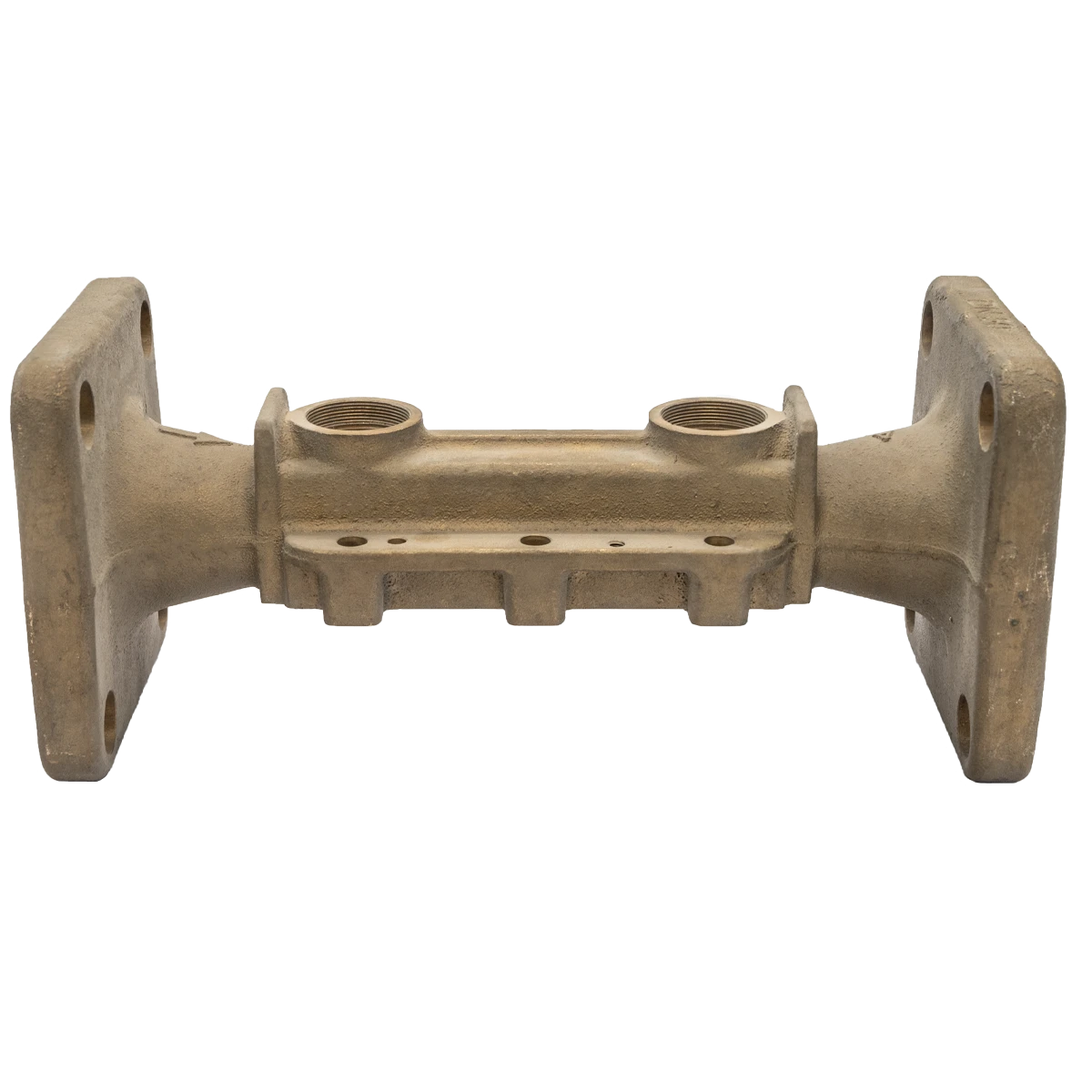
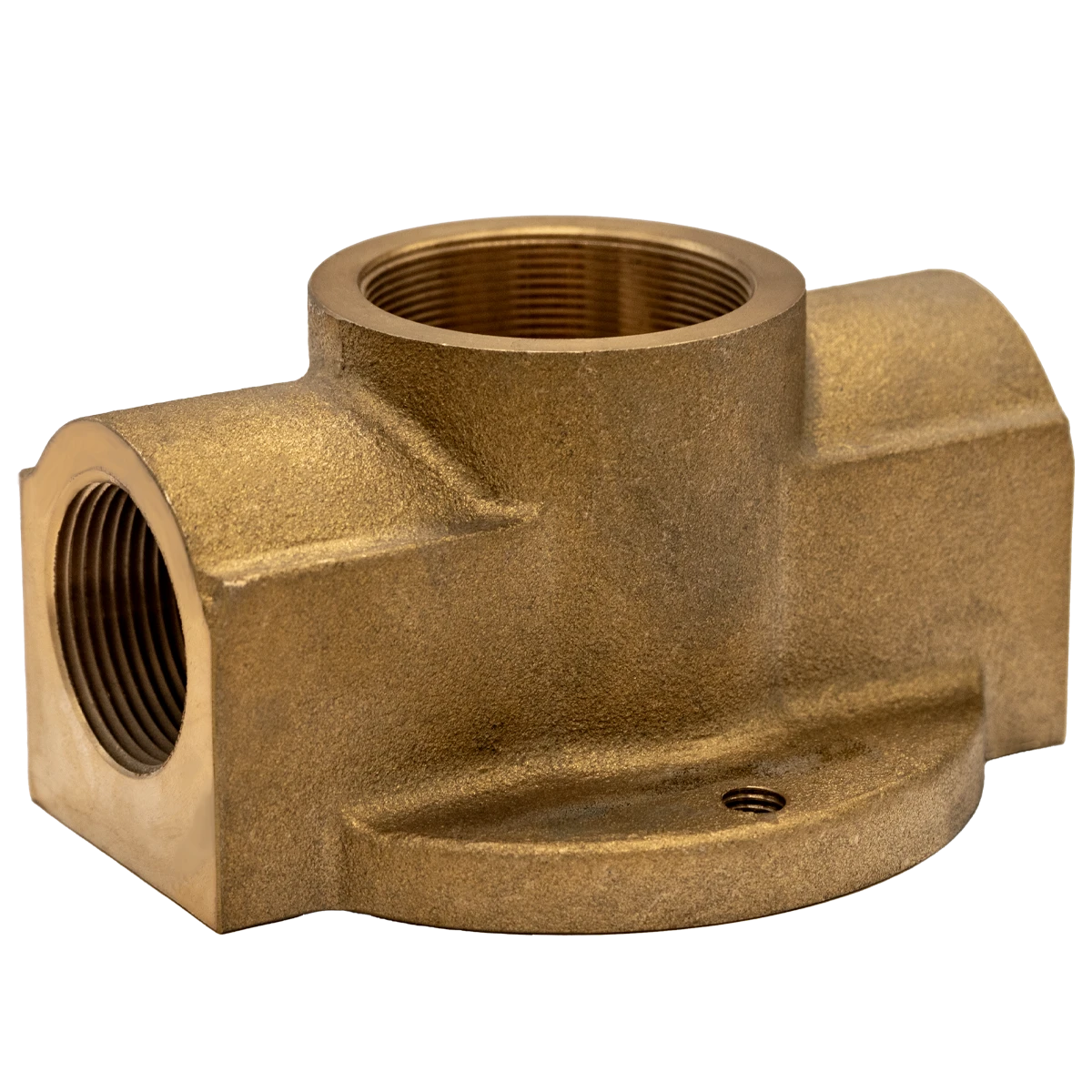
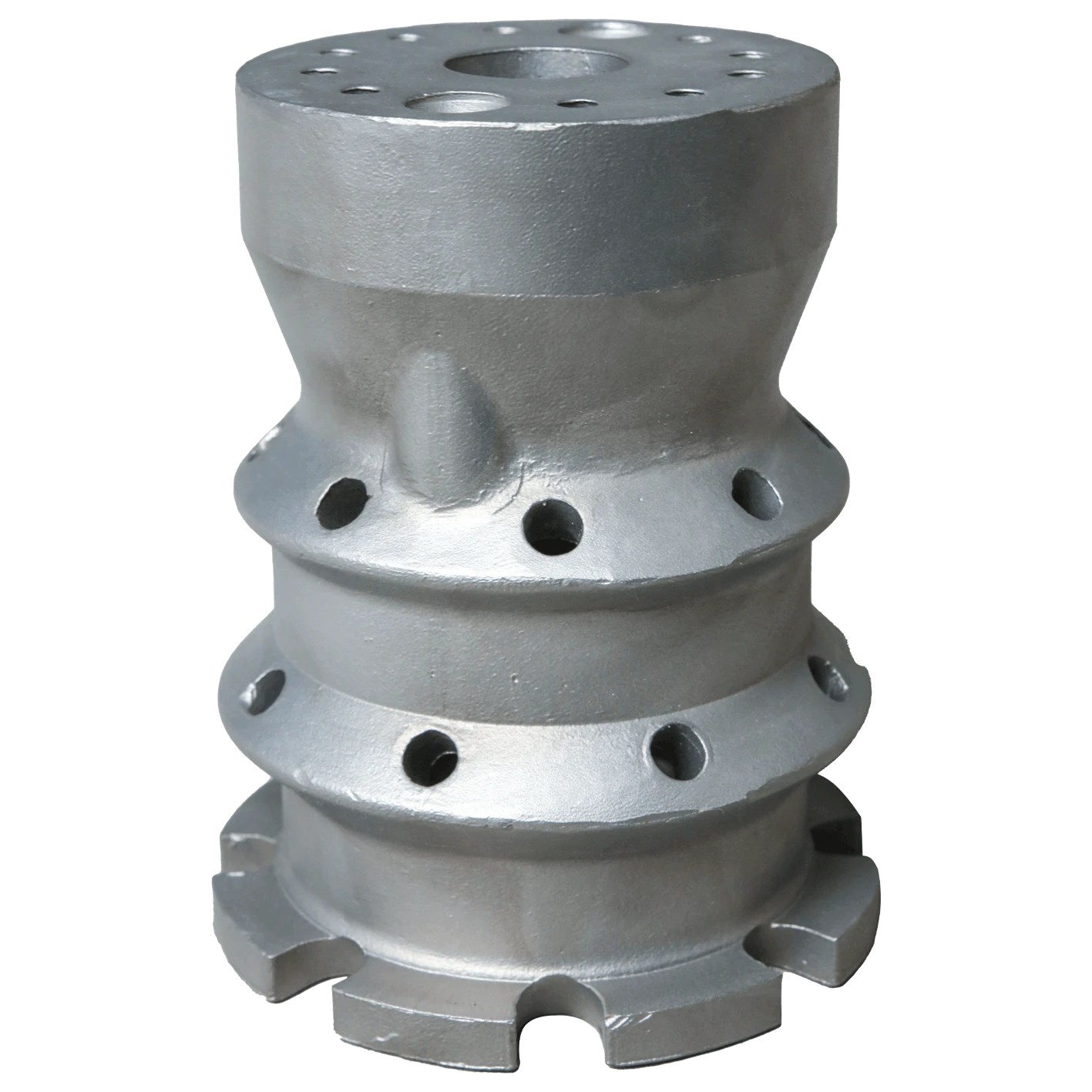
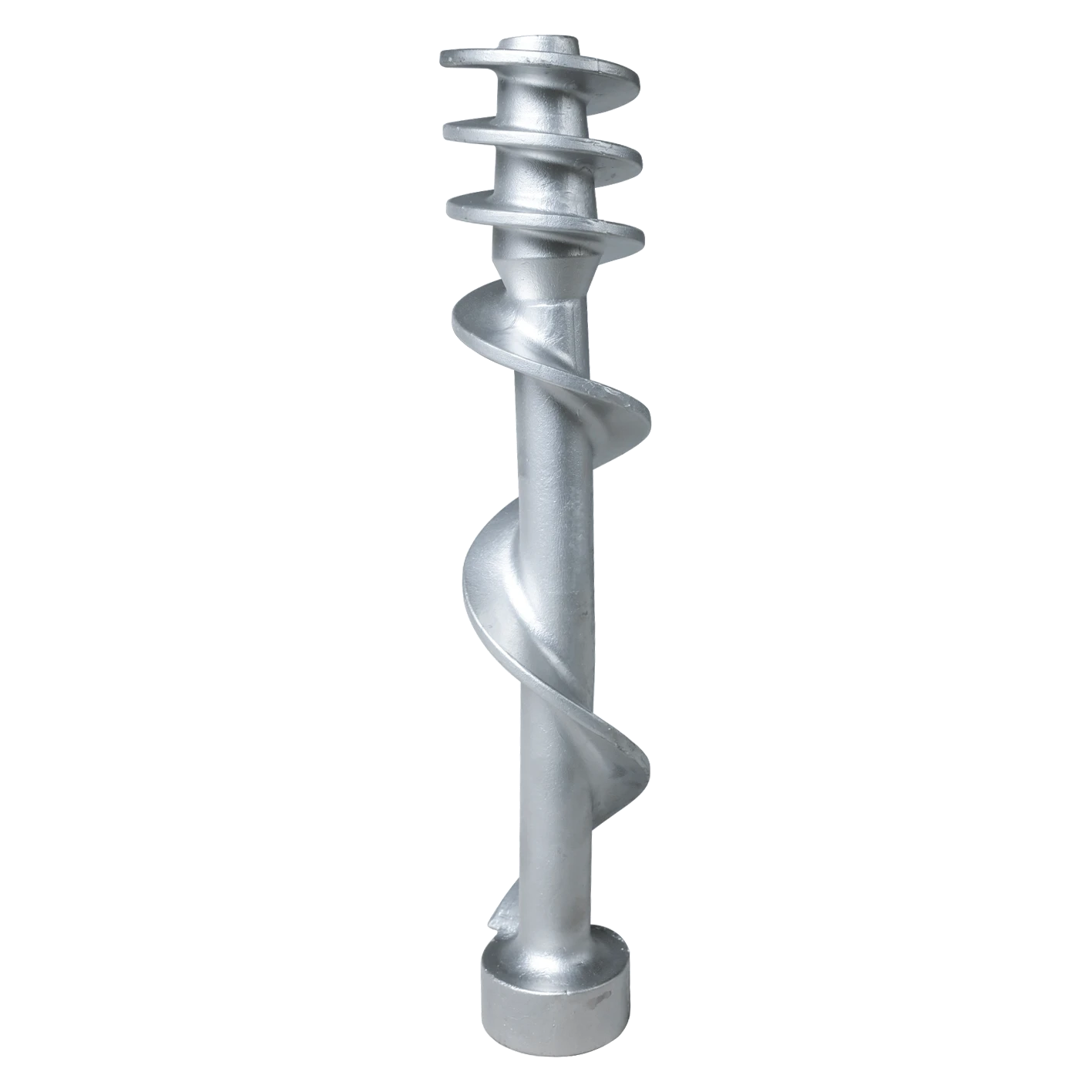
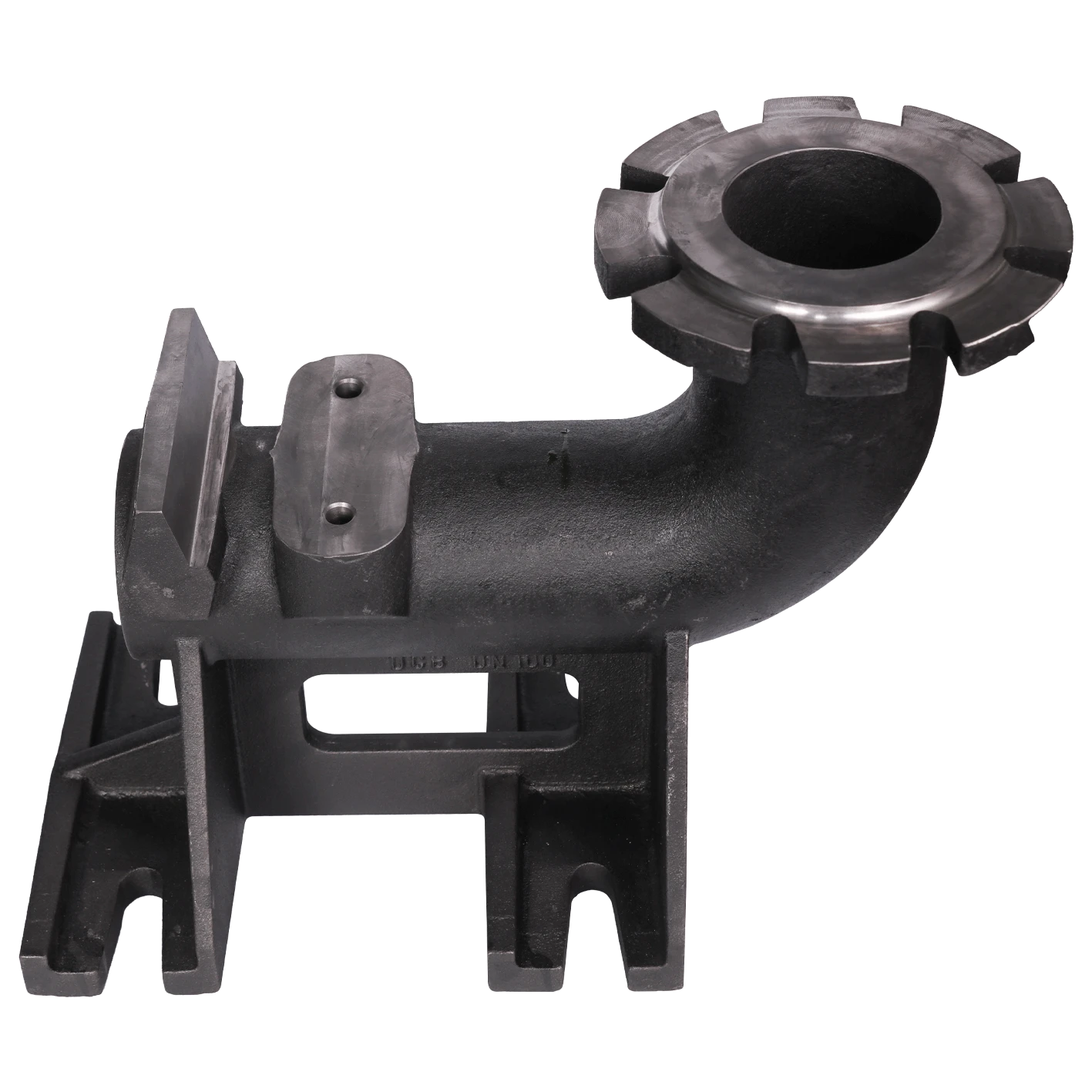
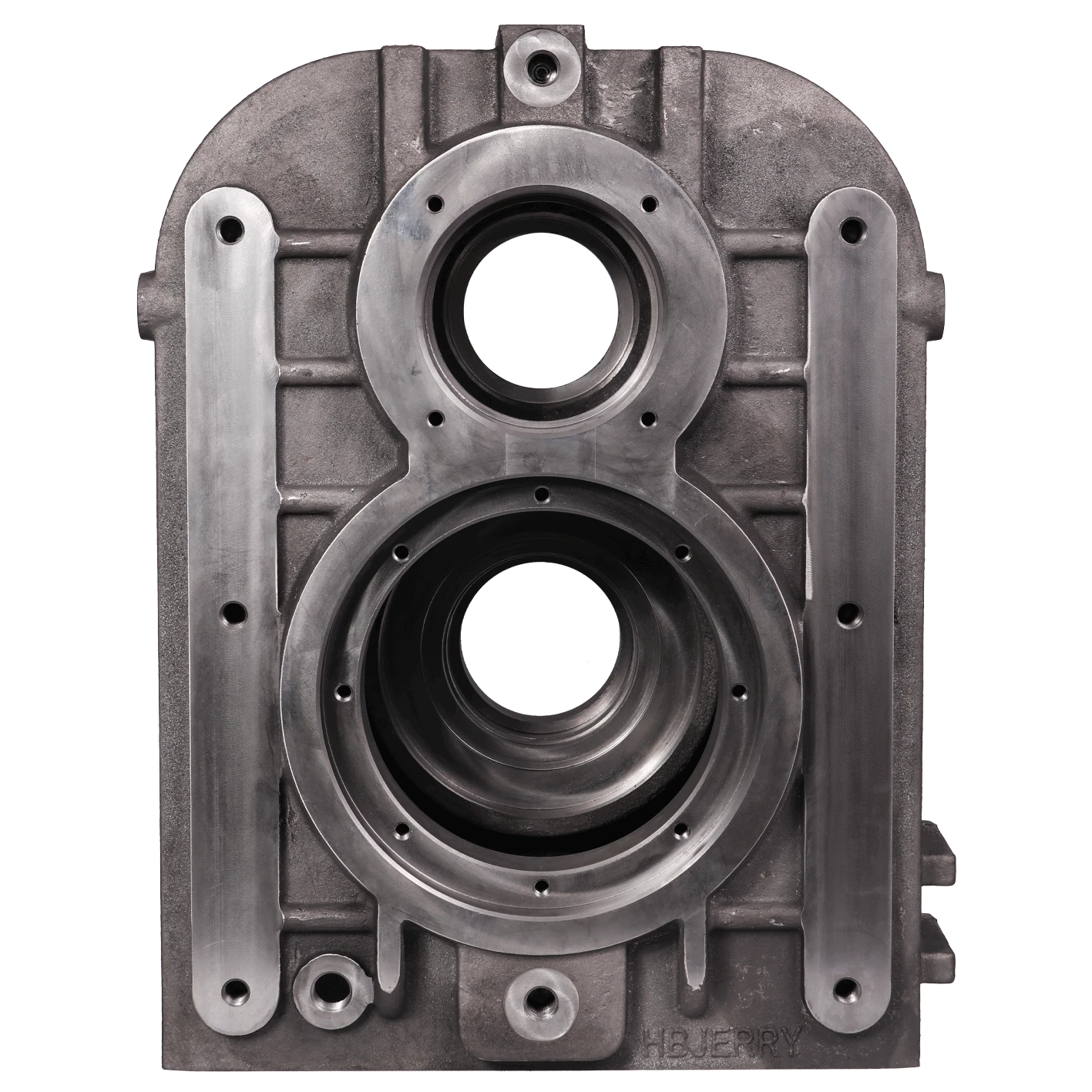
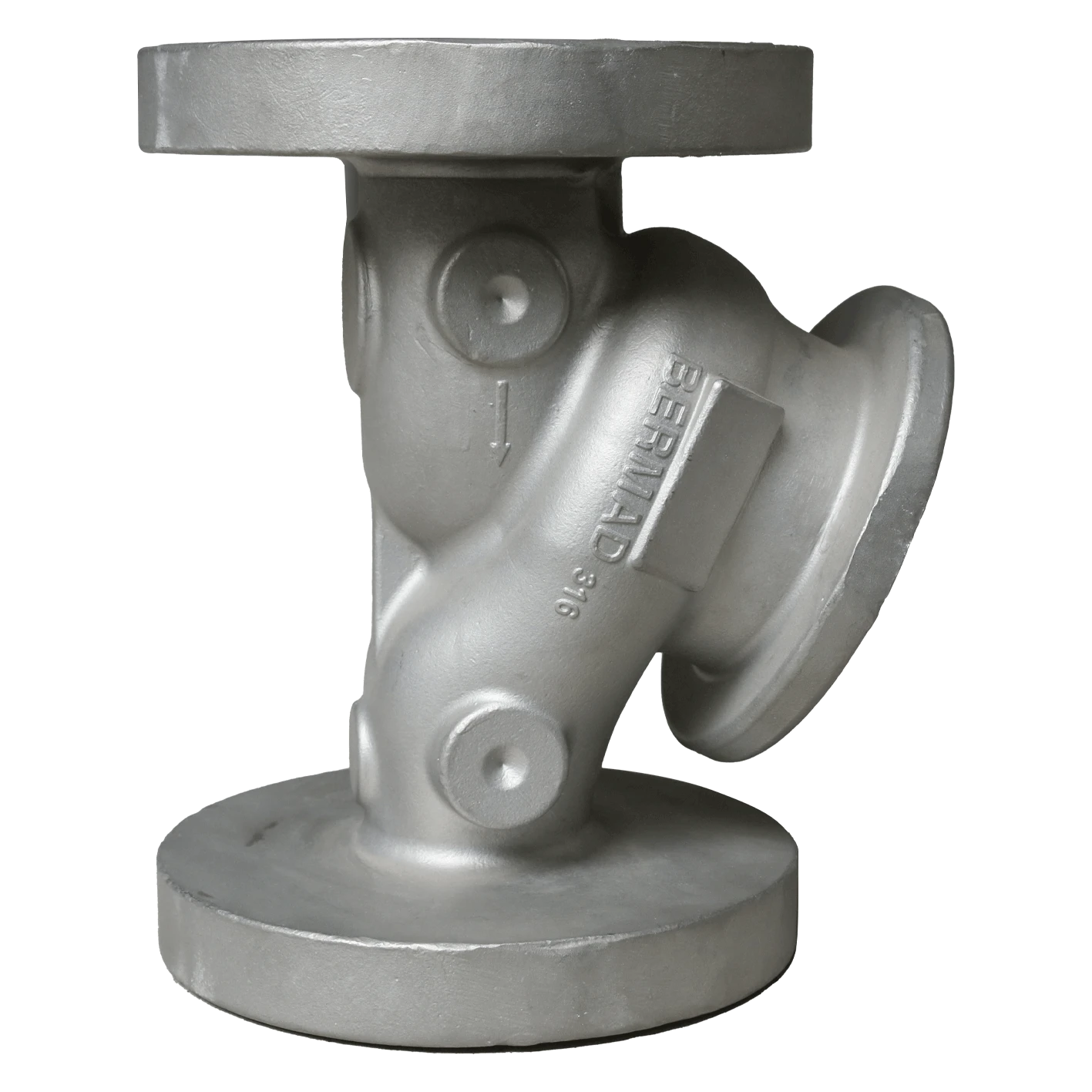
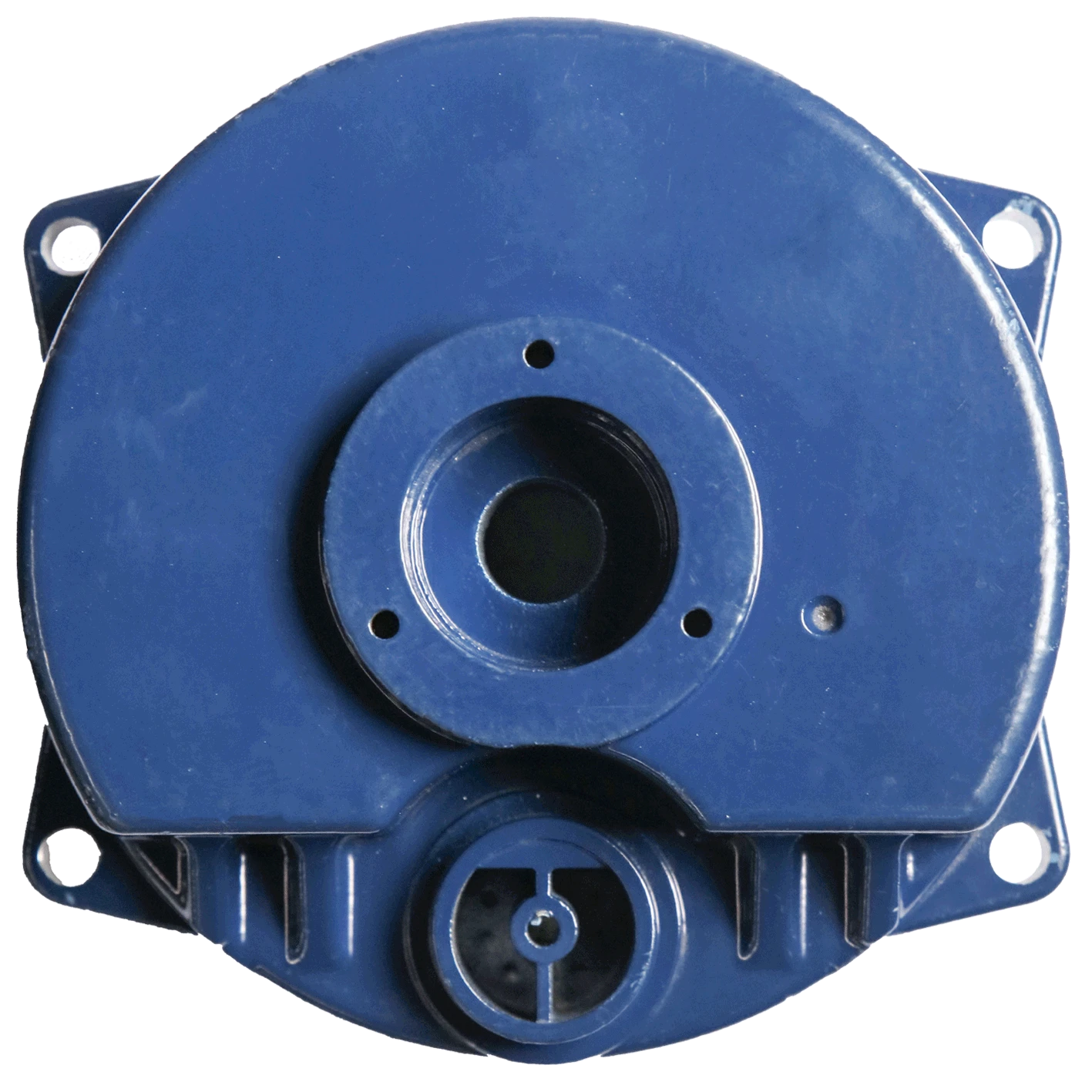
Casting aluminum in sand is a widely used process in the manufacturing industry, known for its versatility and cost-effectiveness. This technique involves creating a mold from sand into which molten aluminum is poured to form various shapes and components.
Sand casting has a long history, dating back to ancient times, but its principles remain unchanged. The process begins with the creation of a pattern, typically made from wood, plastic, or metal, which represents the final shape of the product. This pattern is then used to create a mold in a mixture of sand and a binding agent, usually clay or resin. The sand is carefully compacted around the pattern to hold its shape, after which the pattern is removed, leaving a hollow cavity that corresponds to the desired part.
Casting aluminum in sand is a widely used process in the manufacturing industry, known for its versatility and cost-effectiveness
. This technique involves creating a mold from sand into which molten aluminum is poured to form various shapes and components.The advantages of sand casting aluminum include its ability to produce complex shapes with good dimensional accuracy. The sand material is both inexpensive and readily available, making it a practical choice for large production runs or custom one-off parts. Additionally, the process can accommodate materials with varying properties, which is particularly advantageous for producing lightweight yet strong components.
casting aluminum in sand
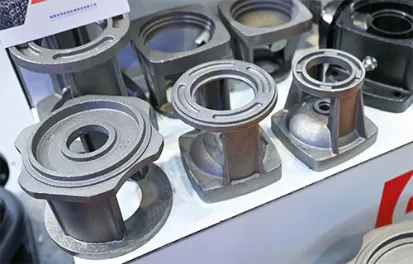
Once the aluminum has cooled and solidified, the sand mold is broken away, revealing the cast part. The final step usually involves cleaning the casting to remove any residual sand and excess material, which is often accomplished through machining or shot blasting.
Despite its benefits, sand casting has some limitations, such as rough surface finishes and a longer production cycle compared to other casting methods like die casting. However, its adaptability to different design requirements and materials keeps it a preferred choice in various industries, including automotive, aerospace, and industrial machinery.
In conclusion, sand casting aluminum is an essential process that combines traditional techniques with modern advancements to meet industrial demands. Its effectiveness in producing intricate designs and strong components continues to make it a vital method in contemporary manufacturing.
-
Precision Valve Castings for Agricultural Irrigation and Fluid Control SystemsNewsMay.08,2026
-
Precision Impeller and Compressor Components for Agricultural MachineryNewsMay.08,2026
-
Essential Cast Components for Agricultural Machinery: Oil Management and Motor ProtectionNewsMay.08,2026
-
High-Performance Cast Components for Agricultural Machinery: From Cooling to Exhaust SystemsNewsMay.08,2026
-
Agricultural Valve Castings: Durable Flow Control Solutions for Farm Irrigation SystemsNewsMay.08,2026
-
High-Performance Agricultural Pump Components: Precision Castings for Reliable Farm OperationsNewsMay.08,2026