English

Mobile:+86-311-808-126-83
Email:info@ydcastings.com
English
1 Inch Compression Cap for Efficient Seal and Secure Connections in Plumbing Systems
Understanding 1% Compression Cap An Overview
The 1% compression cap, a vital component in various industrial applications, especially in the realms of manufacturing, plumbing, and automotive industries, offers a practical solution for sealing and containment. The term compression cap typically refers to a device used to secure or seal off a compartment or entry point by compressing against the surface it is fitted to. When we mention 1% compression, it indicates a specific measurement relating to the cap's ability to maintain pressure and ensure durability under operational strain.
What is a Compression Cap?
A compression cap is designed to create a pressure-tight seal, preventing leaks and external contamination. The cap is often made of durable materials such as plastic, rubber, or metal, depending on its intended use. The design usually features a slight flexibility that allows it to compress to fit the contours of the surface it seals. This ensures that the cap can accommodate minor variations in size or shape, leading to an effective securement.
Importance of 1% Compression
The 1% compression measurement signifies that the cap can compress to 1% of its original thickness while maintaining its structural integrity. This feature is particularly critical in applications where small changes in pressure can lead to significant consequences. For example, in fluid systems, even minor leaks can reduce efficiency, create safety hazards, and lead to expensive repairs. A compression cap designed with 1% compression capability ensures that these risks are minimized while maintaining optimal performance.
Applications of 1% Compression Caps
1. Plumbing Systems In plumbing, compression caps are often used to seal pipes and prevent water leakage. The 1% compression specification ensures that these caps can adapt to the dynamic pressures of water flow, providing a reliable seal that lasts over time.
1 2 inch compression cap
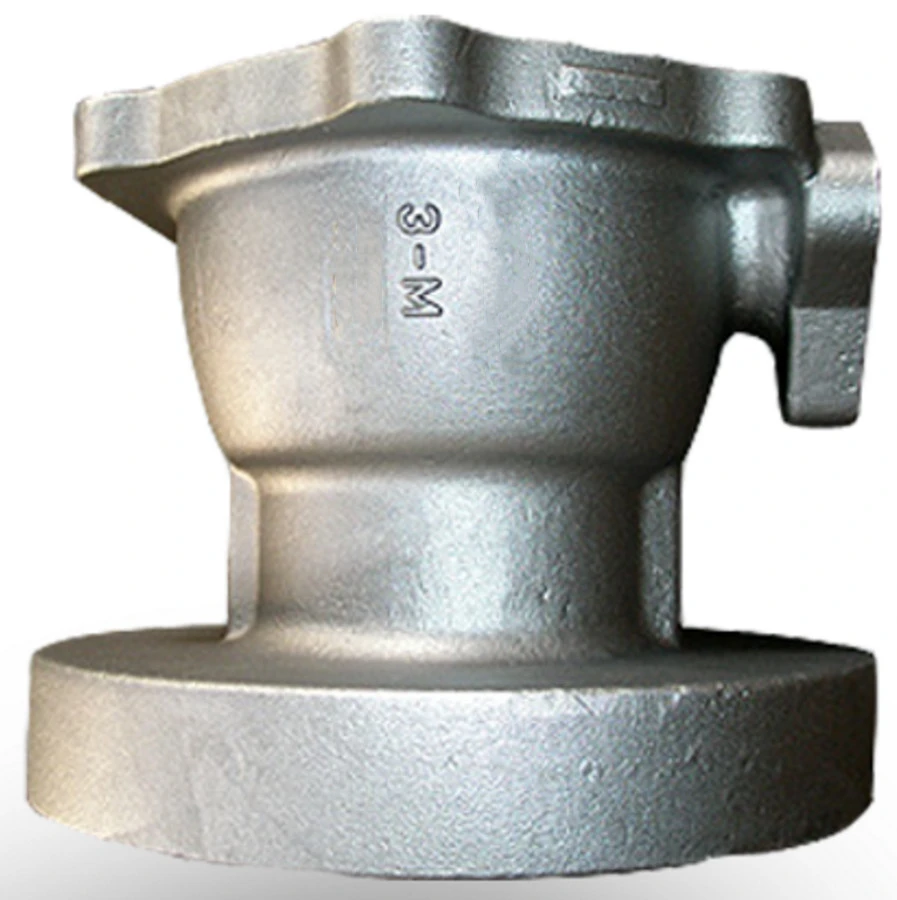
2. Automotive Industry In vehicles, compression caps are utilized in various assemblies, including fuel systems and cooling systems. The ability to maintain a secure seal under pressure is paramount for the efficiency and safety of automotive operations.
3. Manufacturing In manufacturing processes, where numerous substances are processed, compression caps play a key role in ensuring that containers remain sealed during transport and handling, preventing spillage and exposure to contaminants.
4. Pharmaceuticals In the pharmaceutical industry, where product integrity is crucial, the use of compression caps helps seal containers for medications and other sensitive products. A 1% compression cap ensures that even under varying temperatures and pressures, the integrity of the seal is maintained.
Benefits of Using 1% Compression Caps
The benefits of adopting 1% compression caps are manifold. Firstly, they enhance safety by preventing leaks and potential hazards in various systems. Secondly, they improve efficiency, as systems can maintain pressure without the risk of loss through seams or joints. Additionally, these caps often require less maintenance than traditional sealing methods, leading to lower operational costs over time.
Moreover, the adaptability of the 1% compression cap to different materials and structures makes it a versatile choice for many applications. This versatility allows businesses and industries to streamline their processes while ensuring that product integrity and safety remain at the forefront of their operations.
Conclusion
In summary, the 1% compression cap is an essential component in numerous industries, from plumbing to pharmaceuticals. Its ability to provide a reliable seal under pressure makes it invaluable for preventing leaks and maintaining efficiency. As industries continue to evolve and innovate, the importance of such components will only grow, highlighting the need for careful consideration in their design and application. Understanding the role and benefits of compression caps can help businesses optimize their processes and improve safety and reliability in their operations.
-
Precision Valve Castings for Agricultural Irrigation and Fluid Control SystemsNewsMay.08,2026
-
Precision Impeller and Compressor Components for Agricultural MachineryNewsMay.08,2026
-
Essential Cast Components for Agricultural Machinery: Oil Management and Motor ProtectionNewsMay.08,2026
-
High-Performance Cast Components for Agricultural Machinery: From Cooling to Exhaust SystemsNewsMay.08,2026
-
Agricultural Valve Castings: Durable Flow Control Solutions for Farm Irrigation SystemsNewsMay.08,2026
-
High-Performance Agricultural Pump Components: Precision Castings for Reliable Farm OperationsNewsMay.08,2026