English

Mobile:+86-311-8081-2683
Email:info@ydcastings.com
English
Feb . 13, 2025 08:54
Back to list
s300 turbine housing
The S300 turbine housing represents a critical component in the performance and efficiency of turbocharger systems, widely used in various automotive and industrial applications. This article delves into the intricacies of the S300 turbine housing, drawing on real-world experiences, professional expertise, and authoritative insights to provide a comprehensive understanding of its role, benefits, and considerations.
The effectiveness of the S300 turbine housing is also impacted by the precision and quality of its engineering. Precision manufacturing ensures minimal tolerance variations, which translates into improved efficiency and lower rates of mechanical failure. Industry experts often recommend partnering with manufacturers who uphold stringent quality control standards, as this safeguards against defects that could hamper performance or lead to engine wear over time. In terms of installation, user feedback highlights the importance of professional installation and tuning to fully realize the potential of the S300 turbine housing. Misinstallation or improper tuning can negate the benefits offered by this high-performance component, emphasizing the role of experienced mechanics or technicians who are familiar with the nuances of turbocharger systems. Overall, the S300 turbine housing serves as a testament to advanced engineering offering reliable performance improvement. Users across the automotive industry recognize its impact, from enhancing daily commuter cars to powering high-performance race vehicles. By incorporating durable materials, flexible design, and precise engineering, the S300 turbine housing stands as a sought-after choice for those looking to optimize turbocharger efficiency and engine output. For potential buyers and automotive enthusiasts, investing in an S300 turbine housing could translate to measurable improvements in vehicle performance, provided the installation and tuning are expertly handled. Thus, by evaluating these critical aspects, stakeholders can ensure that they leverage the full capabilities of the S300 turbine housing to meet their specific performance requirements — a decision underscored by practical experience, technical expertise, and credible industry knowledge.
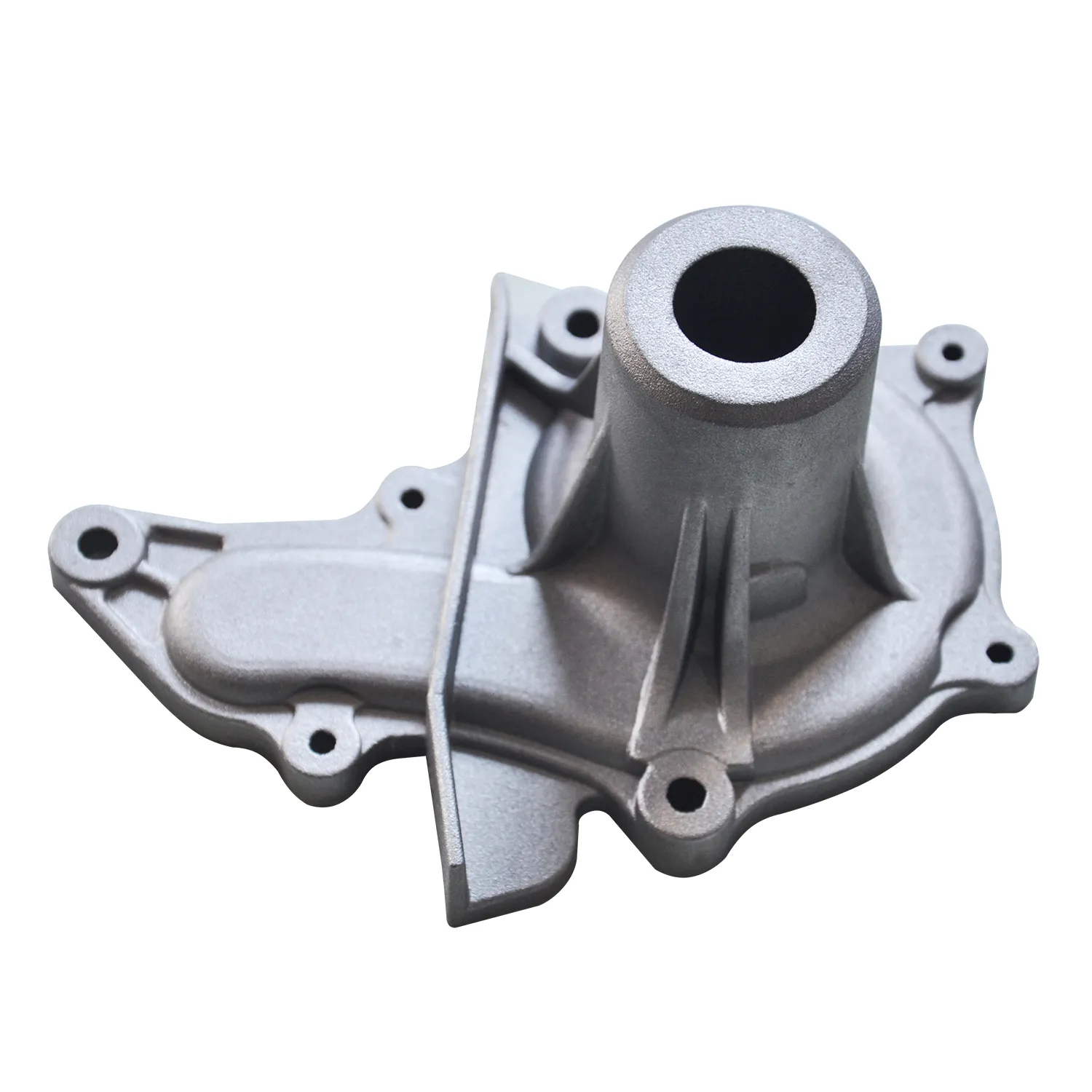
The effectiveness of the S300 turbine housing is also impacted by the precision and quality of its engineering. Precision manufacturing ensures minimal tolerance variations, which translates into improved efficiency and lower rates of mechanical failure. Industry experts often recommend partnering with manufacturers who uphold stringent quality control standards, as this safeguards against defects that could hamper performance or lead to engine wear over time. In terms of installation, user feedback highlights the importance of professional installation and tuning to fully realize the potential of the S300 turbine housing. Misinstallation or improper tuning can negate the benefits offered by this high-performance component, emphasizing the role of experienced mechanics or technicians who are familiar with the nuances of turbocharger systems. Overall, the S300 turbine housing serves as a testament to advanced engineering offering reliable performance improvement. Users across the automotive industry recognize its impact, from enhancing daily commuter cars to powering high-performance race vehicles. By incorporating durable materials, flexible design, and precise engineering, the S300 turbine housing stands as a sought-after choice for those looking to optimize turbocharger efficiency and engine output. For potential buyers and automotive enthusiasts, investing in an S300 turbine housing could translate to measurable improvements in vehicle performance, provided the installation and tuning are expertly handled. Thus, by evaluating these critical aspects, stakeholders can ensure that they leverage the full capabilities of the S300 turbine housing to meet their specific performance requirements — a decision underscored by practical experience, technical expertise, and credible industry knowledge.
Next:
Latest news
-
Choosing an Engine Storage Crate Cover for Material and EnvironmentNewsNov.23,2026
-
Cylinder Head Chamber Buyers: Check the Casting Specification FirstNewsNov.17,2026
-
How Impeller Casting Manufacturers Match Material, Process and EquipmentNewsNov.15,2026
-
Valve body vs. intake air chamber: Which casting fits your assembly?NewsNov.02,2026
-
Air Intake Chamber FAQ: Specifications, Ordering and Support QuestionsNewsOct.28,2026
-
Motorcycle Accessories FAQ: Specifications, Ordering and Support QuestionsNewsOct.24,2026
Related PRODUCTS










