English

Mobile:+86-311-8081-2683
Email:info@ydcastings.com
English
Feb . 13, 2025 08:34
Back to list
Pump Body
The porting of a turbo exhaust housing is a sophisticated craft that demands both precision and expertise, offering automotive enthusiasts the chance to unlock hidden power reserves within their engines. This process involves the meticulous modification of the turbocharger's exhaust housing to improve the flow of exhaust gases, thereby enhancing overall turbo efficiency and engine performance. For those seeking to venture into the world of high-performance tuning, understanding the intricacies of porting can offer significant gains.
The trustworthiness of a service provider or individual performing turbo exhaust housing porting is paramount. Look for those who offer transparent documentation of previous work, including before-and-after performance metrics that demonstrate clear benefits from their modifications. A reputable expert will also provide clear communication throughout the process, explaining what modifications are necessary, why they are beneficial, and any potential risks involved. From a product standpoint, the benefits of a properly ported turbo exhaust housing are tangible. Aside from improved throttle response and increased horsepower, enthusiasts often report enhanced reliability and longevity from their turbochargers due to the reduced mechanical and thermal stress. However, these benefits are contingent upon the quality and precision of the porting work performed. As with any bespoke automotive modification, conducting thorough research beforehand is imperative. Potential gains should be weighed against the risk of decreased turbo and engine lifespan if porting is done incorrectly. Always prioritize quality over cost when choosing a provider, as the price of poor workmanship can be significantly higher than any initial savings. Ultimately, porting a turbo exhaust housing is an art that blends science and craftsmanship, providing performance seekers with a tailored upgrade that can significantly enhance their driving experience. By entrusting this task to a seasoned expert, car owners can not only improve their vehicle's output but also enjoy the satisfaction that comes from understanding and optimizing a key component of automotive performance technology.
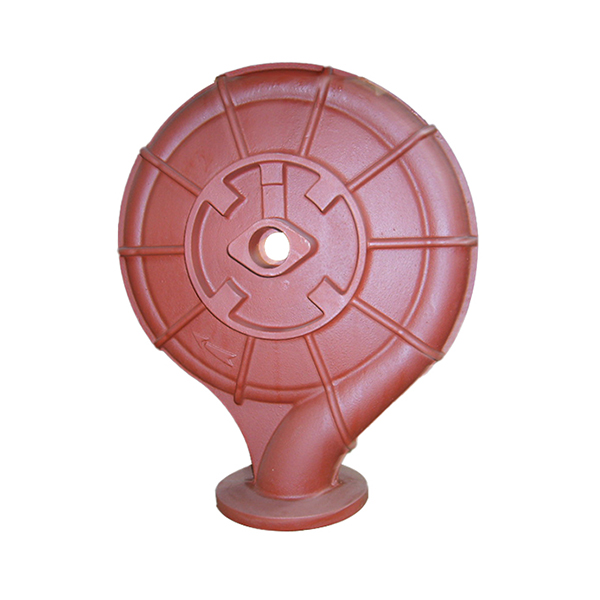

The trustworthiness of a service provider or individual performing turbo exhaust housing porting is paramount. Look for those who offer transparent documentation of previous work, including before-and-after performance metrics that demonstrate clear benefits from their modifications. A reputable expert will also provide clear communication throughout the process, explaining what modifications are necessary, why they are beneficial, and any potential risks involved. From a product standpoint, the benefits of a properly ported turbo exhaust housing are tangible. Aside from improved throttle response and increased horsepower, enthusiasts often report enhanced reliability and longevity from their turbochargers due to the reduced mechanical and thermal stress. However, these benefits are contingent upon the quality and precision of the porting work performed. As with any bespoke automotive modification, conducting thorough research beforehand is imperative. Potential gains should be weighed against the risk of decreased turbo and engine lifespan if porting is done incorrectly. Always prioritize quality over cost when choosing a provider, as the price of poor workmanship can be significantly higher than any initial savings. Ultimately, porting a turbo exhaust housing is an art that blends science and craftsmanship, providing performance seekers with a tailored upgrade that can significantly enhance their driving experience. By entrusting this task to a seasoned expert, car owners can not only improve their vehicle's output but also enjoy the satisfaction that comes from understanding and optimizing a key component of automotive performance technology.
Next:
Latest news
-
Choosing an Engine Storage Crate Cover for Material and EnvironmentNewsNov.23,2026
-
Cylinder Head Chamber Buyers: Check the Casting Specification FirstNewsNov.17,2026
-
How Impeller Casting Manufacturers Match Material, Process and EquipmentNewsNov.15,2026
-
Valve body vs. intake air chamber: Which casting fits your assembly?NewsNov.02,2026
-
Air Intake Chamber FAQ: Specifications, Ordering and Support QuestionsNewsOct.28,2026
-
Motorcycle Accessories FAQ: Specifications, Ordering and Support QuestionsNewsOct.24,2026
Related PRODUCTS










