English

Mobile:+86-311-8081-2683
Email:info@ydcastings.com
English
s300 turbine housing
Understanding S300% Turbine Housing A Comprehensive Overview
Turbine housings are critical components of gas turbines, serving as protective casings that house important turbine elements and ensuring optimal performance. Among the various designs available, the S300% turbine housing is particularly noteworthy for its engineering excellence and functional capabilities. This article will explore the design, advantages, and applications of the S300% turbine housing.
Design and Structure
The S300% turbine housing is designed with precision to meet the rigorous demands of modern aerodynamic engines. It is typically constructed from high-strength alloys that can withstand extreme temperatures and pressures. The intricate design includes strategically placed cooling passages and thermal barrier coatings, which help maintain optimal operating temperatures and prolong the lifespan of the turbine components.
The geometry of the S300% turbine housing is engineered for enhanced airflow. This optimization ensures that the gases entering the turbine are directed efficiently, supporting improved turbine efficiency and performance. By carefully designing the inlet and outlet paths, engineers can minimize losses associated with fluid dynamics, which is essential for maintaining robust turbine operation.
Performance Advantages
One of the foremost advantages of the S300% turbine housing is its ability to improve overall turbine efficiency. The design minimizes back pressure, allowing for smoother airflow and reducing the energy required to drive the turbine. As a result, the engine can generate more power with less fuel consumption, making it an attractive choice for various applications in energy production and aviation.
s300 turbine housing
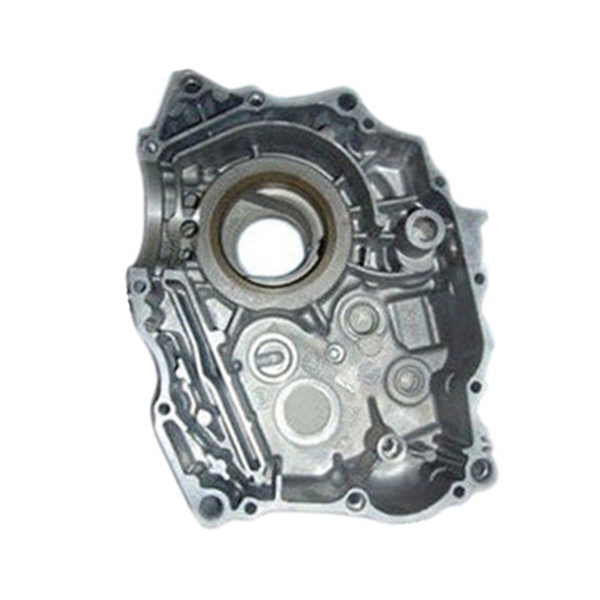
Furthermore, the S300% turbine housing is recognized for its durability and resistance to wear and tear. The materials used in its construction can withstand high levels of thermal stress, which reduces the likelihood of failure and the need for frequent maintenance. This reliability translates into lower operational costs over the lifespan of the turbine, enhancing its attractiveness for industries that rely on high-performance engines.
Applications in Various Industries
The versatility of the S300% turbine housing allows it to be employed across a wide range of industries. In the aerospace sector, for instance, it is used in jet engines where high-performance turbine systems are crucial for efficient flight. The ability to optimize fuel consumption while maximizing power output is a significant benefit for airlines seeking to enhance their operational efficiency.
In power generation, the S300% turbine housing is utilized in combined cycle power plants, where it plays a pivotal role in converting gas into electricity. The efficient operation of these turbines is vital for meeting the growing energy demands of modern society. As the global focus shifts towards more sustainable energy solutions, the S300% turbine housing's efficiency becomes increasingly valuable in supporting eco-friendly energy generation.
Additionally, the marine industry benefits from the robust design of the S300% turbine housing, which is implemented in propulsion systems for large vessels. The need for reliable and efficient marine engines drives the demand for advanced turbine technologies, making the S300% an ideal choice for shipbuilders.
Conclusion
In conclusion, the S300% turbine housing stands out as a remarkable example of cutting-edge engineering in the field of turbine technology. Its design provides numerous benefits, including improved efficiency, durability, and adaptability across various industries. As global energy demands continue to rise and the emphasis on sustainability grows, the importance of innovative components like the S300% turbine housing cannot be overstated. By enabling greater performance and reliability, the S300% turbine housing plays an essential role in paving the way for the future of energy and propulsion technologies.
-
Choosing an Engine Storage Crate Cover for Material and EnvironmentNewsNov.23,2026
-
Cylinder Head Chamber Buyers: Check the Casting Specification FirstNewsNov.17,2026
-
How Impeller Casting Manufacturers Match Material, Process and EquipmentNewsNov.15,2026
-
Valve body vs. intake air chamber: Which casting fits your assembly?NewsNov.02,2026
-
Air Intake Chamber FAQ: Specifications, Ordering and Support QuestionsNewsOct.28,2026
-
Motorcycle Accessories FAQ: Specifications, Ordering and Support QuestionsNewsOct.24,2026










