English

Mobile:+86-311-8081-2683
Email:info@ydcastings.com
English
Feb . 13, 2025 06:29
Back to list
Deflector shell
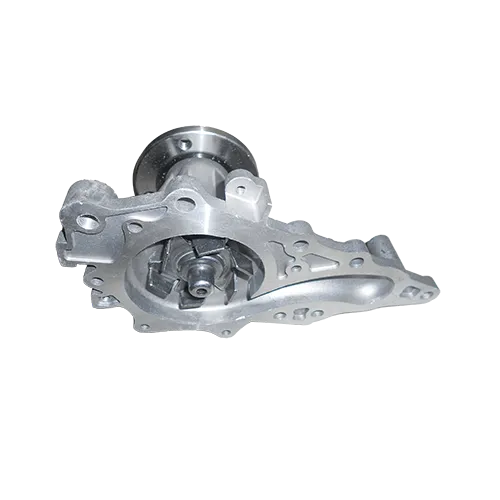
The world of pump impeller casing has seen a myriad of developments, echoing advancements in engineering and technology. As a key component of centrifugal pumps, the design and material composition of impeller casings significantly influence both efficiency and longevity. Harnessing cutting-edge materials and sophisticated engineering methods promises not just improved energy efficiency but also enhanced operational reliability.
In aligning with sustainability initiatives, newer designs of pump impeller casings focus on reducing energy consumption. The strategic use of simulations in the design phase, coupled with innovative materials that minimize impeller force, translates into significant energy savings. Knowledgeable collaborators emphasize lifecycle analysis, which encompasses energy use, waste generation, and recyclability. The comprehensive understanding of these aspects fosters decisions that align with both ecological goals and economic viability. Ultimately, in bringing forth a well-rounded pitcher of trustworthiness, companies benefit from open communication channels with their supply chain and clientele. Transparency about the sourcing of materials, ethical manufacturing processes, and adherence to environmental standards helps to build and maintain trust. Engaging in professional and responsible declarations enhances brand authority and fortifies business relationships. With increased market competition, differentiation is achieved not only through technical superiority but through evidence-backed endorsements and testimonials from satisfied clients. Such measures foster an atmosphere of trust and reliability, reflecting positively on the product's reception in the market. Thus, as the pump impeller casing domain evolves, its intersections with technology and sustainability advance parallelly. Those who navigate this field with due expertise, supported by verifiable trust and authoritative practices, will invariably lead the next wave of innovation and reliability in fluid management systems.
In aligning with sustainability initiatives, newer designs of pump impeller casings focus on reducing energy consumption. The strategic use of simulations in the design phase, coupled with innovative materials that minimize impeller force, translates into significant energy savings. Knowledgeable collaborators emphasize lifecycle analysis, which encompasses energy use, waste generation, and recyclability. The comprehensive understanding of these aspects fosters decisions that align with both ecological goals and economic viability. Ultimately, in bringing forth a well-rounded pitcher of trustworthiness, companies benefit from open communication channels with their supply chain and clientele. Transparency about the sourcing of materials, ethical manufacturing processes, and adherence to environmental standards helps to build and maintain trust. Engaging in professional and responsible declarations enhances brand authority and fortifies business relationships. With increased market competition, differentiation is achieved not only through technical superiority but through evidence-backed endorsements and testimonials from satisfied clients. Such measures foster an atmosphere of trust and reliability, reflecting positively on the product's reception in the market. Thus, as the pump impeller casing domain evolves, its intersections with technology and sustainability advance parallelly. Those who navigate this field with due expertise, supported by verifiable trust and authoritative practices, will invariably lead the next wave of innovation and reliability in fluid management systems.
Latest news
-
Choosing an Engine Storage Crate Cover for Material and EnvironmentNewsNov.23,2026
-
Cylinder Head Chamber Buyers: Check the Casting Specification FirstNewsNov.17,2026
-
How Impeller Casting Manufacturers Match Material, Process and EquipmentNewsNov.15,2026
-
Valve body vs. intake air chamber: Which casting fits your assembly?NewsNov.02,2026
-
Air Intake Chamber FAQ: Specifications, Ordering and Support QuestionsNewsOct.28,2026
-
Motorcycle Accessories FAQ: Specifications, Ordering and Support QuestionsNewsOct.24,2026
Related PRODUCTS










