English

Mobile:+86-311-8081-2683
Email:info@ydcastings.com
English
Feb . 13, 2025 05:59
Back to list
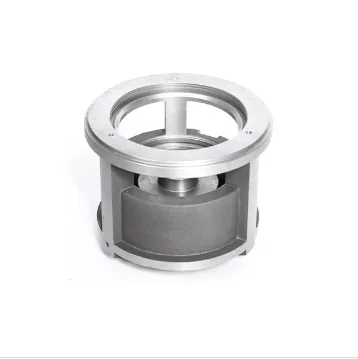
Water pump shell, worm case
Navigating the complex world of submersible water pump impellers demands a comprehensive understanding of their design, functionality, and application. These essential components are the driving force behind many effective water management systems, facilitating fluid movement in various settings from residential wells to industrial operations. Over the years, advancements in impeller technology have significantly enhanced their performance and reliability, making the choice of the right impeller pivotal for optimal pump operation.
For a first-hand understanding of the impact a high-quality impeller can have on your water management system, consider firsthand experiences within the domain. Users consistently report increased satisfaction when they consider factors such as impeller material, design, and compatibility with their specific pump models. Reviewing case studies or reviews from users with similar application needs provides genuine insights into the potential longevity and efficiency improvements a well-chosen impeller offers. Moreover, maintenance is a key consideration in extending the life of submersible water pump impellers. Regular inspections and clean water operation help mitigate the risks of clogging, corrosion, and wear, especially in high-demand environments. Implementing a routine maintenance schedule based on manufacturer recommendations not only enhances operational efficiency but also solidifies the trustworthiness of the pump system over time. Expert recommendations also underscore the importance of collaboration with experienced suppliers and manufacturers when purchasing pump impellers. These partners hold specialized knowledge and insights into the latest impeller technologies and innovations. They creatively tailor solutions to unique operational requirements, understanding that a one-size-fits-all approach rarely serves customers' best interests in complex fluid management scenarios. In conclusion, the choice and maintenance of a submersible water pump impeller are integral for achieving high efficiency, reliability, and longevity in water handling systems. Whether used for residential, commercial, or industrial purposes, selecting the right impeller involves considering material, design, and application compatibility, supported by professional expertise and regular maintenance. This strategic selection process ensures that users not only achieve their water management goals but also reinforce the trustworthiness and reputation of their installations in the long term.
For a first-hand understanding of the impact a high-quality impeller can have on your water management system, consider firsthand experiences within the domain. Users consistently report increased satisfaction when they consider factors such as impeller material, design, and compatibility with their specific pump models. Reviewing case studies or reviews from users with similar application needs provides genuine insights into the potential longevity and efficiency improvements a well-chosen impeller offers. Moreover, maintenance is a key consideration in extending the life of submersible water pump impellers. Regular inspections and clean water operation help mitigate the risks of clogging, corrosion, and wear, especially in high-demand environments. Implementing a routine maintenance schedule based on manufacturer recommendations not only enhances operational efficiency but also solidifies the trustworthiness of the pump system over time. Expert recommendations also underscore the importance of collaboration with experienced suppliers and manufacturers when purchasing pump impellers. These partners hold specialized knowledge and insights into the latest impeller technologies and innovations. They creatively tailor solutions to unique operational requirements, understanding that a one-size-fits-all approach rarely serves customers' best interests in complex fluid management scenarios. In conclusion, the choice and maintenance of a submersible water pump impeller are integral for achieving high efficiency, reliability, and longevity in water handling systems. Whether used for residential, commercial, or industrial purposes, selecting the right impeller involves considering material, design, and application compatibility, supported by professional expertise and regular maintenance. This strategic selection process ensures that users not only achieve their water management goals but also reinforce the trustworthiness and reputation of their installations in the long term.
Latest news
-
Choosing an Engine Storage Crate Cover for Material and EnvironmentNewsNov.23,2026
-
Cylinder Head Chamber Buyers: Check the Casting Specification FirstNewsNov.17,2026
-
How Impeller Casting Manufacturers Match Material, Process and EquipmentNewsNov.15,2026
-
Valve body vs. intake air chamber: Which casting fits your assembly?NewsNov.02,2026
-
Air Intake Chamber FAQ: Specifications, Ordering and Support QuestionsNewsOct.28,2026
-
Motorcycle Accessories FAQ: Specifications, Ordering and Support QuestionsNewsOct.24,2026
Related PRODUCTS










